




DEFENCE IS BORROWING FROM COMMERCIAL INDUSTRY. HERE’S WHY IT MATTERS.
Defence manufacturing is often viewed as operating in isolation, shaped by unique constraints, assurance requirements, and long programme timelines.
In reality, some of the most meaningful operational changes are not being developed internally.
They are being adapted from commercial industry.
Not copied directly, but applied selectively where they improve control, responsiveness, and consistency.
Many of the challenges faced in defence manufacturing today are not unique.
Complex supply chains, pressure on turnaround times, and the need for consistent control exist across multiple industries.
What is changing is how these challenges are being addressed, with defence increasingly adopting and adapting proven commercial models.
The shift away from store-led supply
One of the clearest changes is in how consumables are supplied to the point of use.
Traditional store-led, request-based issuing models are being replaced by approaches more commonly seen in automotive and high-volume aerospace.
This includes:
• Line-side availability
• Vendor-managed inventory
• Point-of-use replenishment
• Task-aligned stock placement
The impact is not just operational.
It changes how environments function day to day.
Less time is spent requesting and chasing stock.
Less reliance is placed on informal workarounds.
Availability improves where the work actually happens.
The focus shifts from managing stock in isolation to maintaining readiness at the point of use.
From fragmented tracking to controlled visibility
Alongside supply model changes, inventory control is also evolving.
Spreadsheet-based tracking and localised record keeping are being replaced by more structured, system-led approaches.
Common features now include:
• Barcode-driven issue and return
• Real-time usage capture
• Centralised visibility across sites
In a defence context, the goal is not simply efficiency.
It is control.
Consistency across shifts, traceability across locations, and confidence in reporting are becoming baseline expectations rather than added benefits.
Small changes, measurable impact
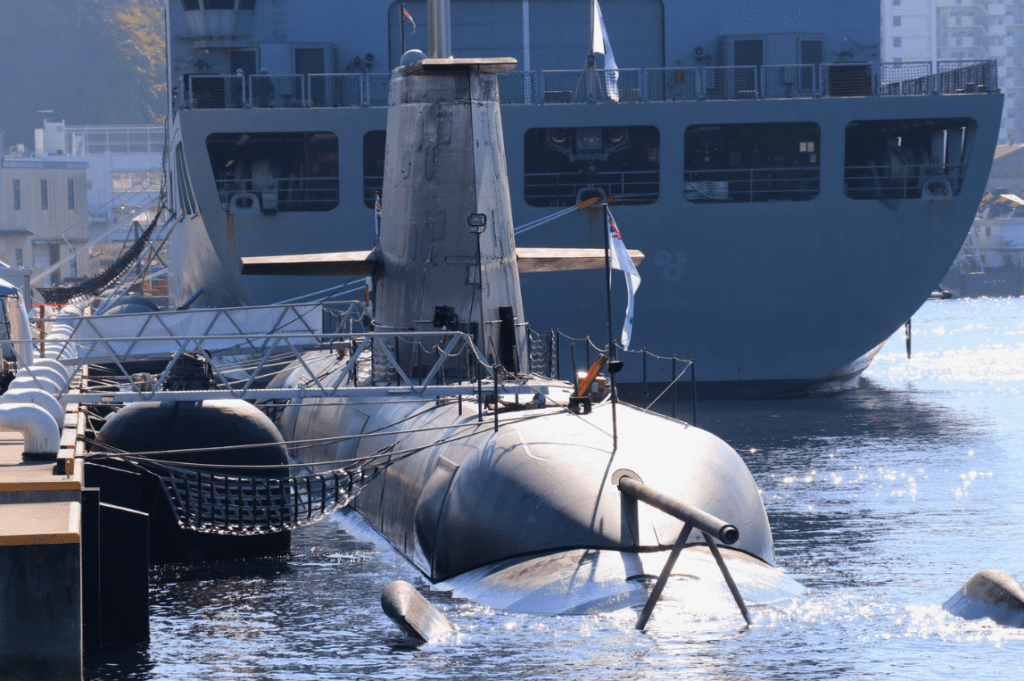
In one naval maintenance environment, the move to line-side consumable kitting reduced requisition delays from hours to minutes.
The result was not just faster access to materials, but:
• Improved turnaround times
• Fewer stockouts
• Stronger compliance documentation
All achieved without increasing administrative burden.
These are not large-scale transformations.
They are targeted operational changes that remove friction from critical processes.
Why digital platforms are becoming essential
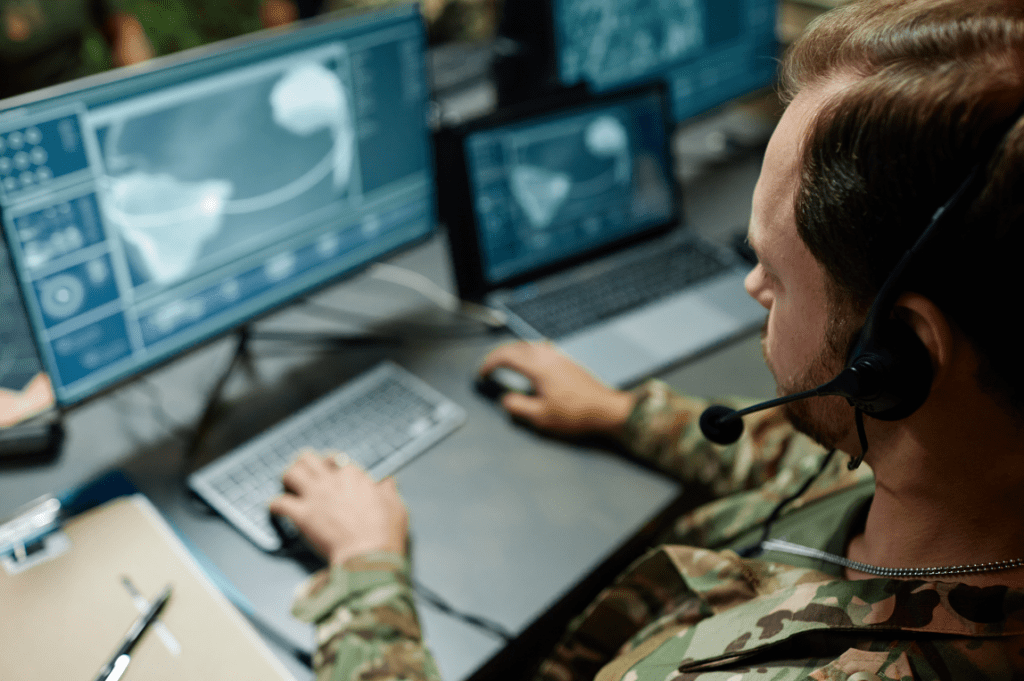
Digital systems are also playing a growing role in bringing these models together. Platforms that combine ordering, stock control, usage tracking, and compliance documentation into a single environment are becoming more common — replacing the patchwork of spreadsheets and paper records that many operations still rely on. In commercial settings, these systems are often justified by efficiency and cost. In defence, the driver is different. It is assurance. The ability to demonstrate what was used, where, when, and under what controls is now as important as completing the task itself. In an environment where a single audit failure or unexplained discrepancy can halt an operation, that traceability is not a back-office function — it is a operational requirement.
A selective, not wholesale, adoption
Defence is not following commercial industry blindly.
Adoption is selective.
The focus is on approaches that:
-
Improve resilience
-
Reduce dependency on individual knowledge
-
Strengthen operational control
-
Avoid adding unnecessary complexity
This is not about chasing trends.
It is about applying proven models in a way that supports highly controlled environments.

The bigger picture
Many of the challenges defence faces today are not unique.
Complexity, accountability, and operational pressure exist across multiple industries.
The difference is how those challenges are addressed.
Commercial sectors have already developed models to manage them at scale.
The opportunity for defence lies in applying those models intelligently, and to a higher standard.
Closing thought
The question is no longer whether these approaches are relevant. It is whether current systems can still account for every decision, every resource, and every outcome in environments where the margin for error is shrinking.