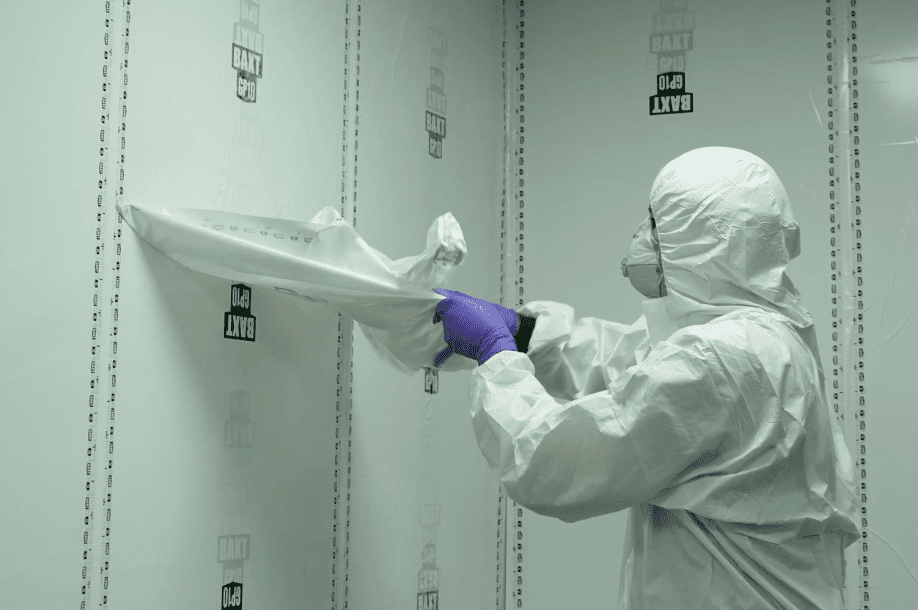



Modern Manufacturing Is Getting Harder, Not Faster
From the outside, industrial environments look more advanced than ever.
Production lines are cleaner. Digital systems are widespread. Safety standards are higher. Automation continues to expand across automotive, aerospace, defence, marine, and composites manufacturing.
Yet inside these environments, work is not necessarily becoming easier.
In many cases, it is becoming more complex.
Complexity Has Moved Into the Background
Modern manufacturing is no longer defined by a single process or discipline. It is the interaction between many.
- Materials must meet tighter specifications.
- Safety systems are layered rather than standalone.
- Digital tools sit alongside manual processes.
- Compliance requirements shape how work is done at every stage.
Individually, each change makes sense. Collectively, they create environments where small misalignments have much bigger consequences than they once did.
- A minor delay can disrupt an entire shift.
- A missing component can halt multiple operations.
- A small deviation can trigger rework, investigation, or audit.
The margin for error has narrowed.
Why Industry Feels Less Forgiving
In earlier manufacturing models, variation was often absorbed through experience and flexibility. Skilled teams could compensate for imperfect systems.
Today, expectations are different.
- Processes must be repeatable.
- Data must be traceable.
- Outcomes must be defensible.
This is particularly true in regulated sectors such as defence, aerospace, and automotive, where documentation, material control, and process discipline are as critical as output itself.
As a result, systems are expected to perform flawlessly, even when conditions are not.
The Growing Gap Between Design and Use
Many industrial systems are designed with compliance and optimisation in mind.
- They look good on paper.
- They satisfy audits.
- They meet technical requirements.
But their real test is whether they support people doing real work, under real constraints, on real timelines.
When systems do not reflect how work actually happens, complexity increases. Workarounds appear. Visibility decreases. Confidence erodes.
Over time, this gap becomes one of the biggest hidden risks in modern manufacturing.
Where the Next Gains Will Come From
The next phase of industrial improvement is unlikely to come from dramatic new technologies alone.
It will come from better alignment.
- Aligning systems to real workflows.
- Aligning supply to points of use.
- Aligning data to decision making.
- Aligning compliance with practicality.
Organisations that focus on this alignment tend to see improvements that are quieter, but more durable. Fewer interruptions. Fewer surprises. Better consistency across shifts, teams, and sites.
These gains rarely make headlines, but they compound quickly.
Why This Matters Now
As industries continue to evolve, complexity is not going away.
Electrification, digitalisation, sustainability pressures, and regulatory change will continue to add layers to already demanding environments.
The challenge is not to eliminate complexity, but to manage it intelligently.
The organisations that succeed will be those that recognise where complexity lives, and design systems that prevent it from overwhelming everyday work.
Modern manufacturing is not just about speed or scale.
It is about control, clarity, and the ability to deliver reliably in environments that are only becoming more demanding.
That is where the real work now sits.