

Reducing consumable waste without compromising Performance
Every year, paintshops and marine coating facilities discard thousands of consumables that were never needed. The instinctive response is to negotiate harder, switch suppliers, or chase lower unit costs. But the real culprit is not on the invoice. It is on the shop floor.
Waste is rarely driven by the product itself. It is far more commonly the result of how materials are specified, applied, stored and managed day to day. Reducing waste without compromising performance is therefore less about buying cheaper consumables and more about operational maturity. Organisations that approach the issue this way consistently achieve better quality outcomes, greater consistency, and lower total costs over time.
The Real Culprit: Shop Floor Habits, Not Invoice Prices
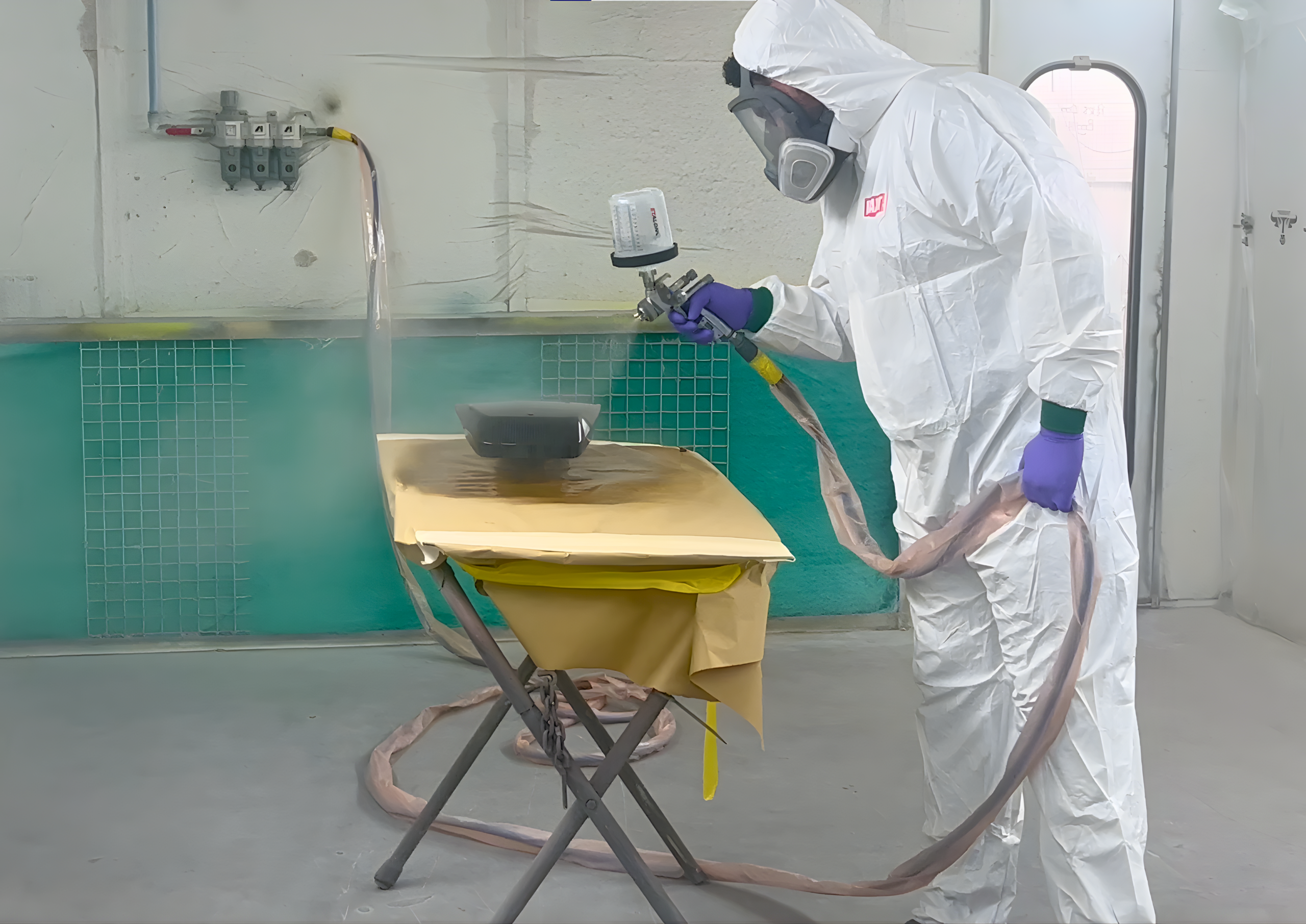
Across paint and composite environments, the most significant sources of consumable waste hide in plain sight. Over-application is one of the most common contributors, often driven by a belief that using more material improves finish quality or durability. In practice, excessive use frequently leads to rework, longer cure times and inconsistent results, sometimes increasing material use by twenty to thirty per cent with no performance benefit.
Poor or inconsistent training also plays a role. When operators are not aligned on correct usage rates, application techniques or product purpose, variation increases.
This is compounded when standards are undocumented, unclear or interpreted differently across shifts or teams. The result is waste driven by habit rather than necessity.
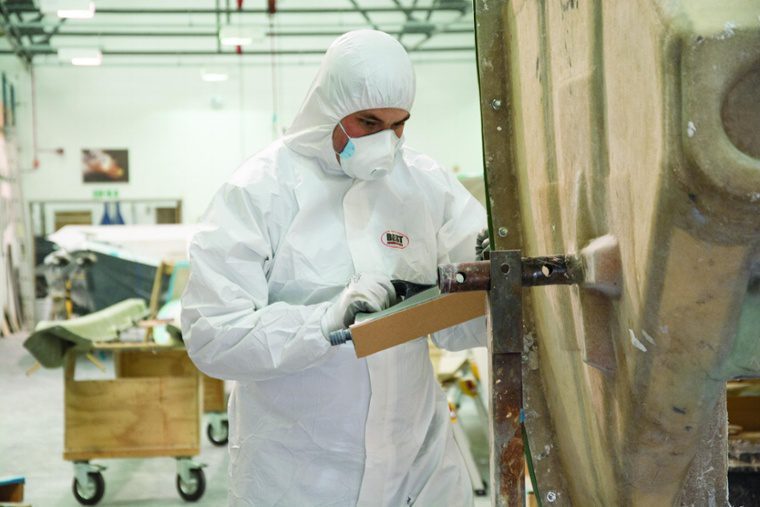
Inefficient sequencing can further inflate consumption. Using the wrong abrasive grade at the wrong stage, applying protection materials too early, or opening consumables long before they are needed all increase unnecessary waste and disposal costs.
Waste is rarely a cost problem. It is usually a process problem.
The Hidden Cost of Disposal and Rework
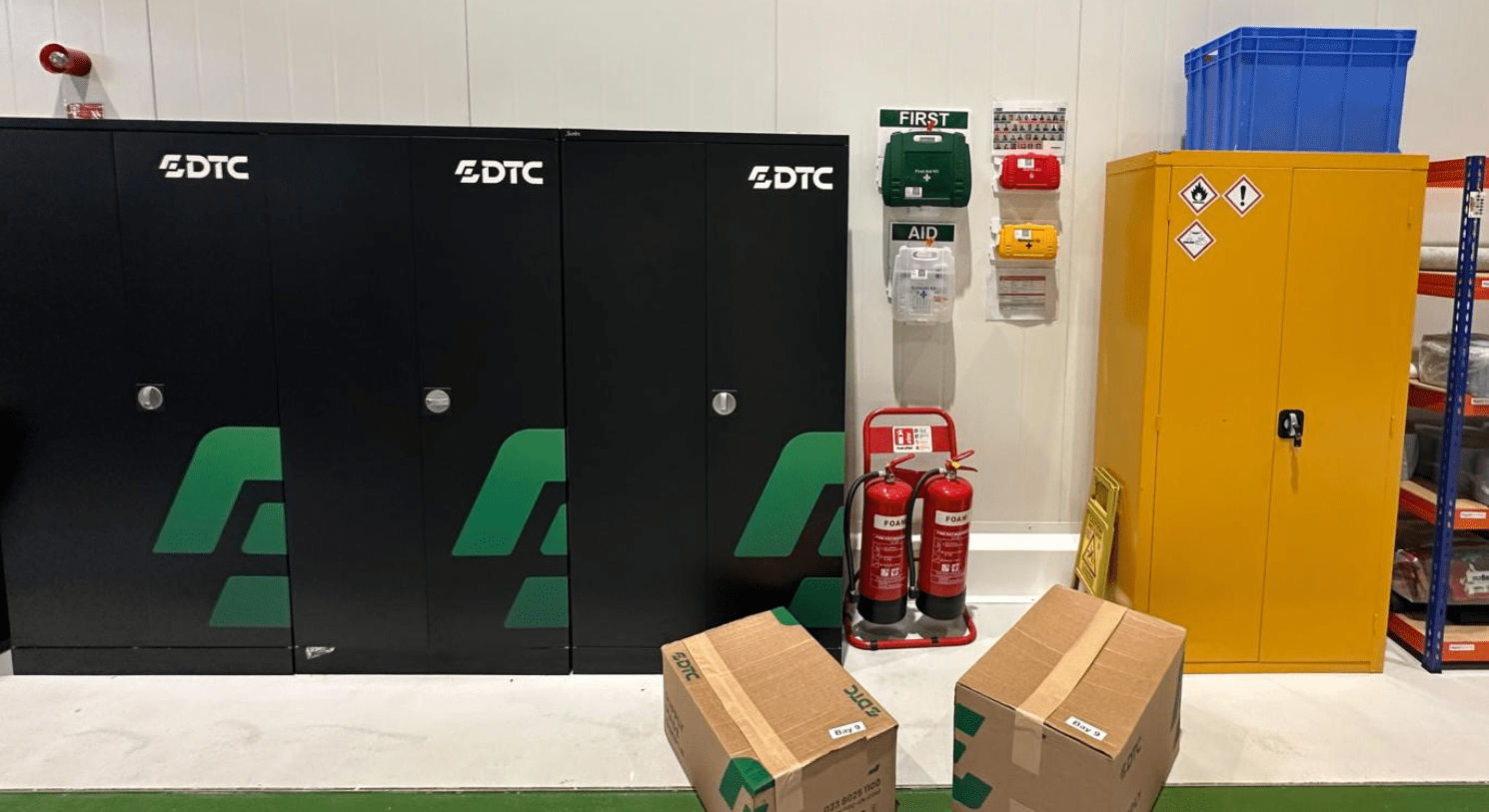
Consumable waste has consequences beyond the price of the material itself. Disposal costs, particularly for contaminated or hazardous waste, continue to rise. Environmental compliance adds further pressure, with increasing scrutiny on how materials are used, stored and discarded.
Quality impact is another overlooked factor. Inconsistent consumable usage can lead to surface defects, adhesion failures and finish variability. These issues often trigger rework, which can double the consumable cost of a job, along with lost production time and increased disposal costs. The original waste problem is amplified rather than solved.
Reducing Waste Without Sacrificing Results
The good news is that manufacturers that successfully reduce consumable waste do not rely on sweeping policy changes. They focus on a small number of practical, operational improvements.
Clear standards are the starting point. Defining approved products, correct usage rates and application methods removes ambiguity and reduces variation. When these standards are supported by practical training rather than assumptions, operators are better equipped to work efficiently without compromising quality.
Process alignment is equally important. Ensuring consumables are introduced at the correct stage, in the correct quantity and for the correct task prevents overuse driven by habit or guesswork.
Visibility also plays a role. When teams understand what is being used, where and why, waste becomes measurable rather than assumed. This allows organisations to address root causes rather than symptoms.
A Performance Led Approach to Waste Reduction
Reducing consumable waste does not require cutting corners, lowering specifications or risking finish quality. In fact, the most effective waste reduction strategies are often those that improve performance consistency and operator confidence.
By reframing waste as an operational issue rather than a purchasing one, manufacturers can reduce environmental impact, control costs, and maintain the high standards expected in paintshop and marine environments.
Waste reduction, done properly, is not about using less. It is about using materials with precision, purpose and zero compromise on quality.