

Undersealing a Car – What is It and Why is it Important?
Undersealing a car is a fantastic technique to shield your car from the weather and maintain its new car appearance for longer. You will lessen the likelihood of rust and other issues by keeping water and debris off the car’s undercarriage (frame, wheels, and axles, etc.,) Additionally, undersealing is a quick and simple way to keep your car in peak shape, it only takes a few hours and is well worth the effort! Read on to learn about undersealing a car and why it is so important.
What is undersealing a car?
Undersealing is a vital aspect of car care aimed at safeguarding your car undercarriage against the relentless assault of rust and corrosion. This proactive maintenance practice involves applying a protective coating to the exposed components underneath your car, and wheel arches, creating a formidable barrier against the elements.
At its core, undersealing is the process of applying a specialised sealant or coating to the vulnerable undercarriage of your car. The primary purpose is to create an impermeable shield that repels moisture, corrosive salt, road debris, and other corrosive agents. By doing so, undersealing significantly prolongs your car’s lifespan, avoids rust holes, resists the rusting process, and maintains its structural integrity.
Corrosion and rust protection
The most critical function of undersealing is its remarkable ability to provide rust protection and thwart corrosion. By forming an impenetrable barrier, it prevents these insidious threats from taking hold. This means fewer repairs, extended longevity, and a well-preserved undercarriage, particularly with certain car brands (notorious for rust).
Comparison with other rust prevention methods
While undersealing is highly effective, it is essential to weigh it against other rust prevention methods. Undersealing excels in providing underbody protection comprehensively, but other strategies like regular cleaning and rust protection may complement its benefits. Understanding the nuances of each method allows you to choose the most suitable approach for your car’s needs.
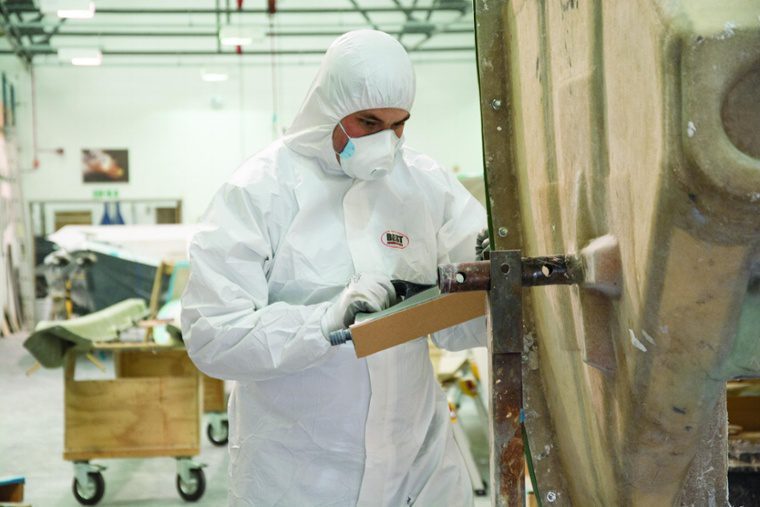
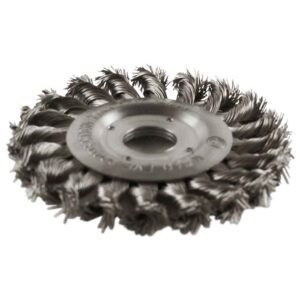
A wire wheel is a handy tool when undersealing a car.
The car undersealing process
The process for undersealing a car is completed over seven key steps.
1. Raising the car
The car is usually raised using a hydraulic lift or jacks to gain access to its underbody. Once lifted, this provides sufficient space to clean and apply the underseal to the car’s underside, offering protection against elements like rust and corrosion.
2. Surface preparation and cleaning
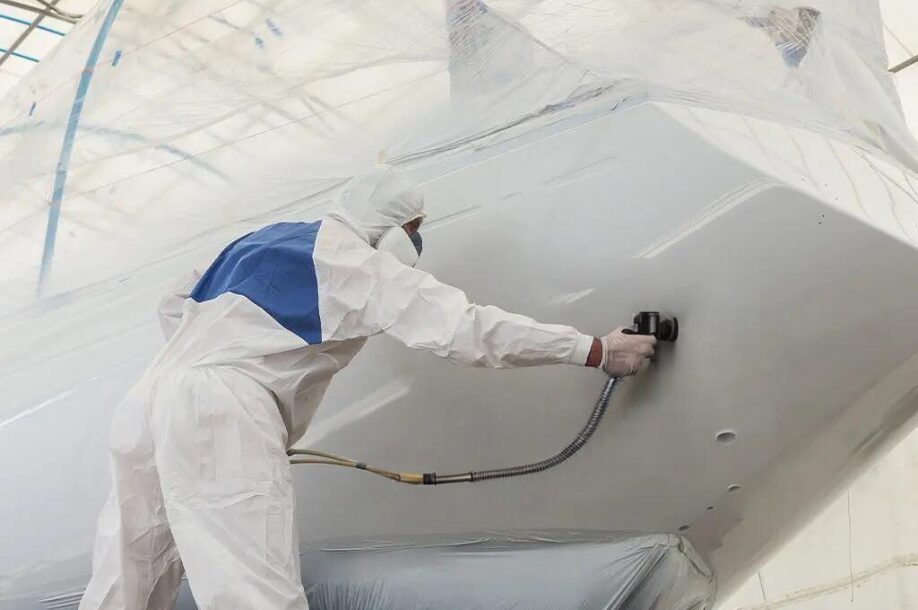
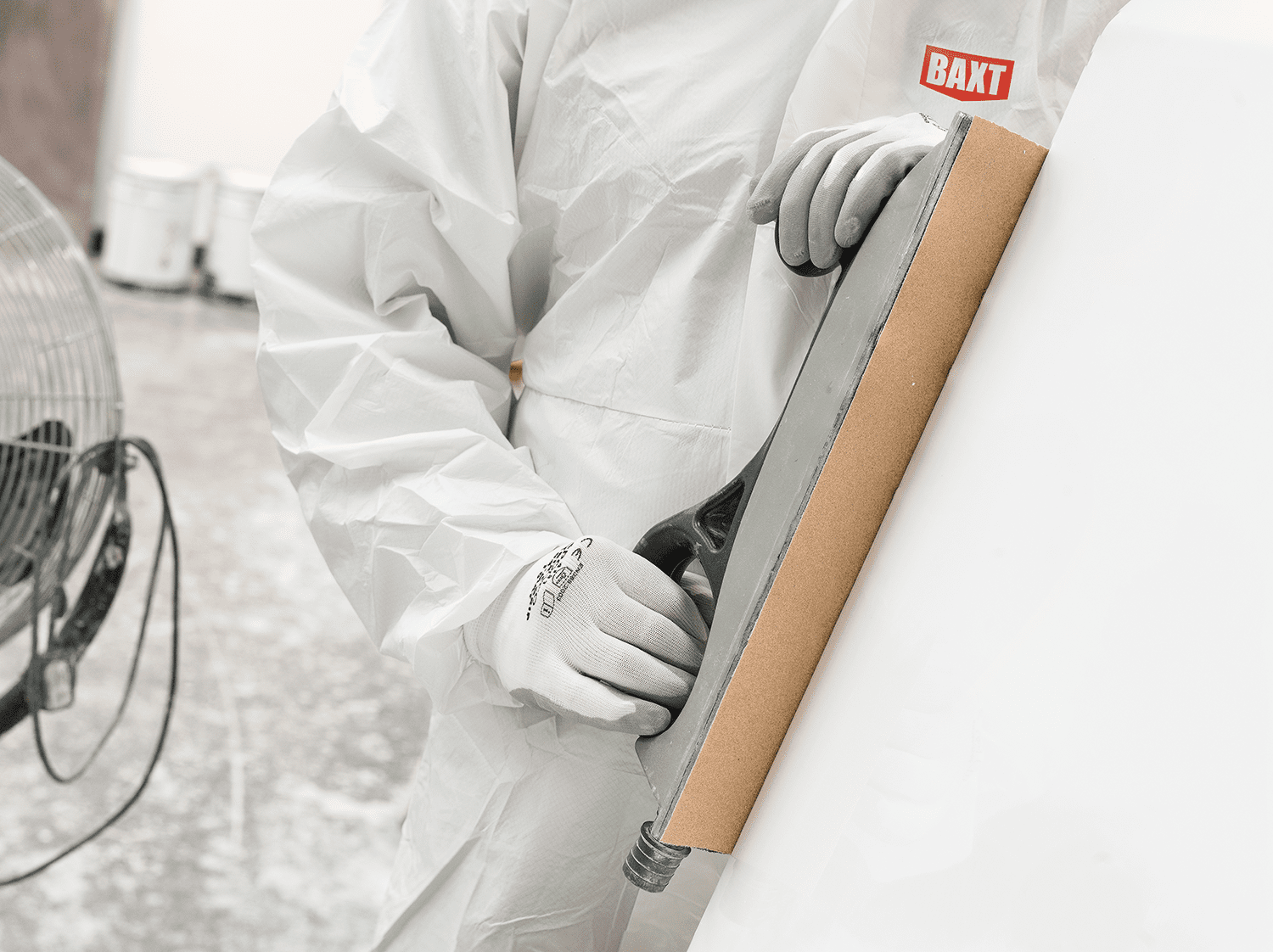
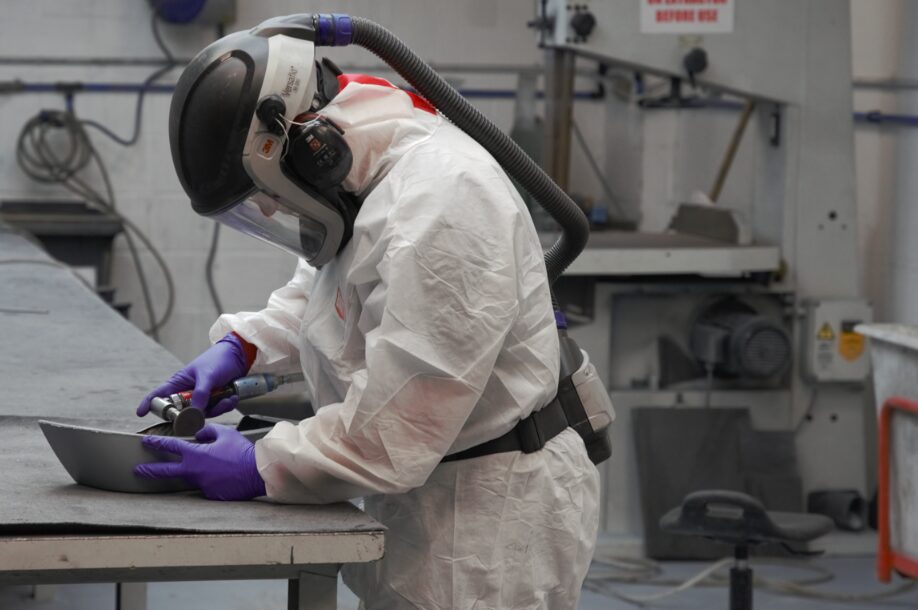
It is recommended to use a jet wash to get rid of dirt, loose rust, and other surface dirt and contaminants. After the underside has dried, remove any loose corrosion using tools like a wire wheel, wire brush and other tools. There is no need to go to the bare metal, but there is a need for a surface, which can easily be adhered to.
3. Degreasing
The undercarriage should be degreased with a chemically formulated degreaser to break up oils and grease, which will have built up over the years.
4. Masking off sensitive areas
Always mask off sensitive areas such as brake components, shock absorbers, and exhaust components.
5. Applying underseal
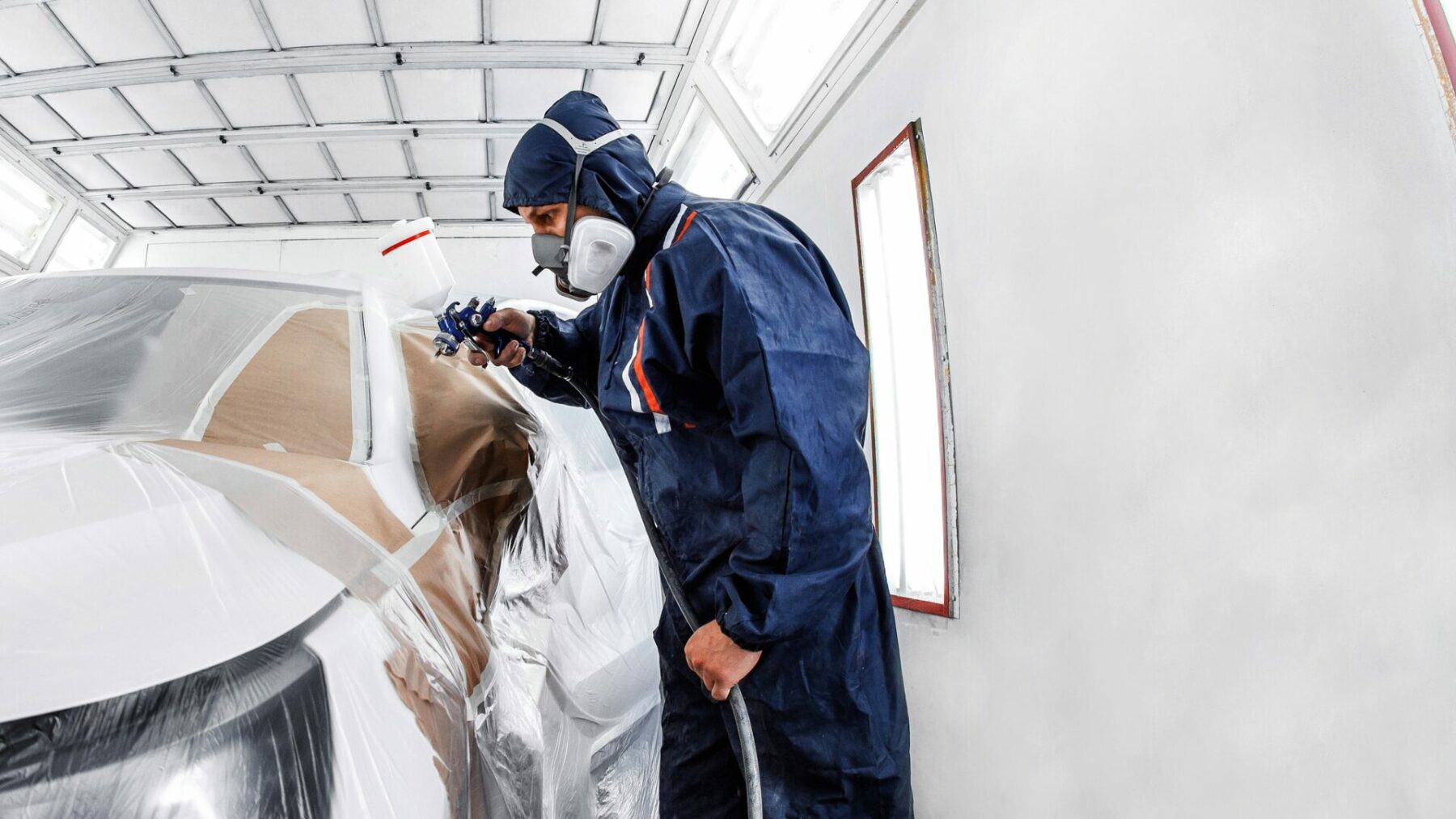
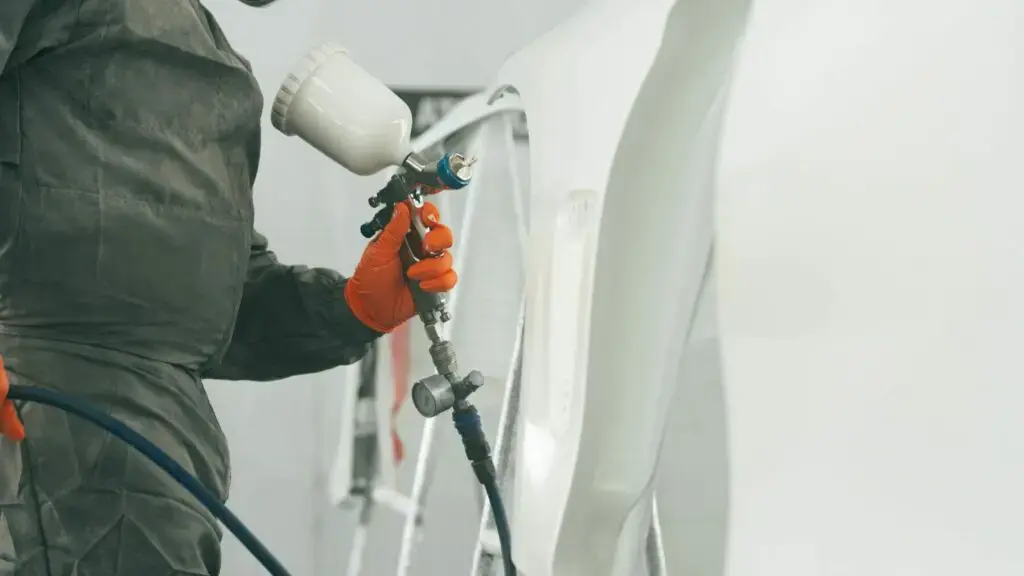
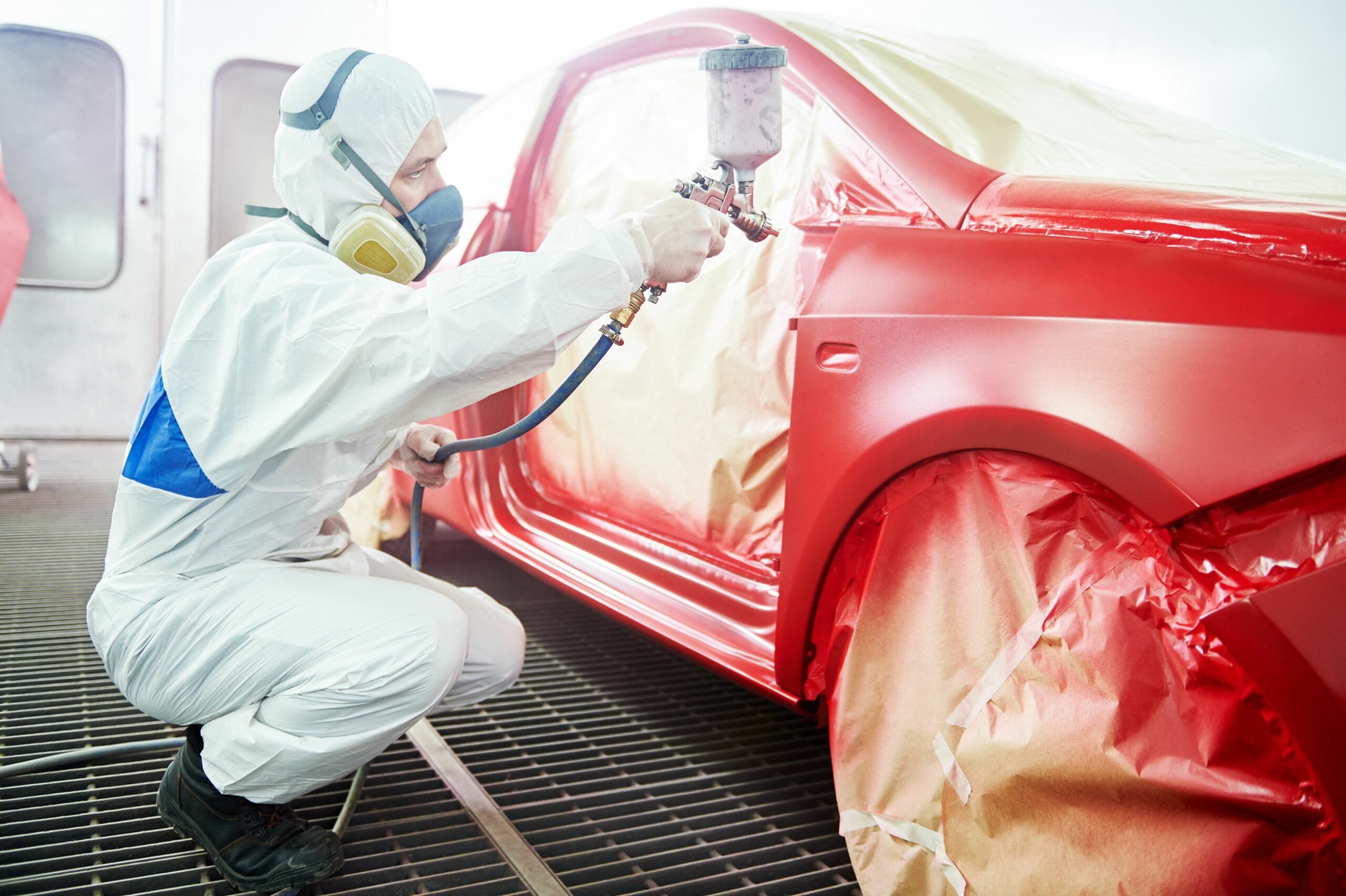
A thick durable coating, underseal (a form of thick paint) is then placed on a car’s underbody or chassis to guard against impact damage from small stones, which would quickly erode regular paint and cause rusting to start again.
6. Drying/curing
The car underseal then needs to cure (dry). Before returning to the road, the car should be dry to prevent more road salt and dirt from disrupting the underseal layer. Also, avoid driving on rough roads for at least 24 hours.
7. Quality inspection
The next stage is to quality check work completed to date. This check should be rigorous, as anything missed could cause later problems. If any areas are missed or damaged repeat the steps until you are happy that the undersealing meets your needs
What are the benefits?
The benefits of undersealing a car include:
-
- Corrosion and rust prevention – you will have protected the car from short to long-term corrosion and rust
- Enhanced durability – the general strength and durability of the car will be improved
- Improved resale value – the condition of the car is better, which will improve the resale value
- Long-term maintenance savings – in the long-term, there will be cost savings as certain work will have been avoided
- Prolonging car lifespan – the overall lifespan of the car will be increased, sometimes by many years
- Sound insulation – traffic noise will be prevented from entering the car through the undercarriage
- Weather resistance – the car will be improved in its resistance to weather, particularly rain penetration, but also frost and snow
Undersealing materials and tools
There are numerous alternatives available when it comes to choosing the best underseal. Some solutions are asphalt-based, petroleum-based, rubber-based, synthetic, water-based, and wax-based. Every material has benefits and drawbacks and each options is summarised below:
- Asphalt-based – this material is renowned for its toughness and resistance to corrosion. It also acts as a barrier against moisture and debris.
- Petroleum-based – extends the life and safety of a vehicle by sealing and protecting surfaces from moisture and road salts, providing excellent corrosion protection.
- Rubber-based – these coatings are appropriate for undercarriage protection because they provide a flexible, rubberised layer that guards against rust, road grime, and abrasion.
- Synthetic – this material offers a flexible option for undercarriage defence, combining toughness and moisture resistance to fend off rust, corrosion, and the elements.
- Water-based – a rust-inhibiting option that is environmentally beneficial. It offers a protective covering while being less harmful to the environment than solutions based on solvents.
- Wax-based – this reliable and ever-popular choice offers a thick, waxy coating that adheres well to undercarriage surfaces.
Shop our range of undersealing products
The majority of our car underseal products can be found in our coatings range and include;
- 3M Body Schutz Coating 08861 – 1L – an easy-to-apply asphalt-based underseal product.
- Aerosol Anti-Stonechip Coating – 500ml – available in black, grey, and white.
- Terotex underbody coating (500 ml or 1L) – choose from a variety of products including rubber-based and wax-based undersealing products.
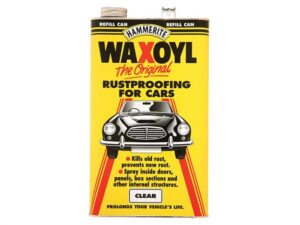
- Waxoyl Rust Proofing – a legendary wax-based product available in aerosol, Schutz, refill can, and pressure can.
Plus there are a number of different accessories and materials needed for the undersealing process.
- Abrasive brushes – for support with surface preparation. Choose products such as a wire wheel brush and a variety of wire brush sets.
- Degreasers – for support with the degreasing task we recommend products such as heavy duty degreaser, 3M scuff-it liquid – 700g, and U-Pol solvent-based degreaser .
- Masking tapes – for use in the “masking off sensitive areas” task, products such as 3M body caulking.
- Paintshop ancillaries – to view a range of associated equipment for undersealing tasks such as an underbody injector gun.
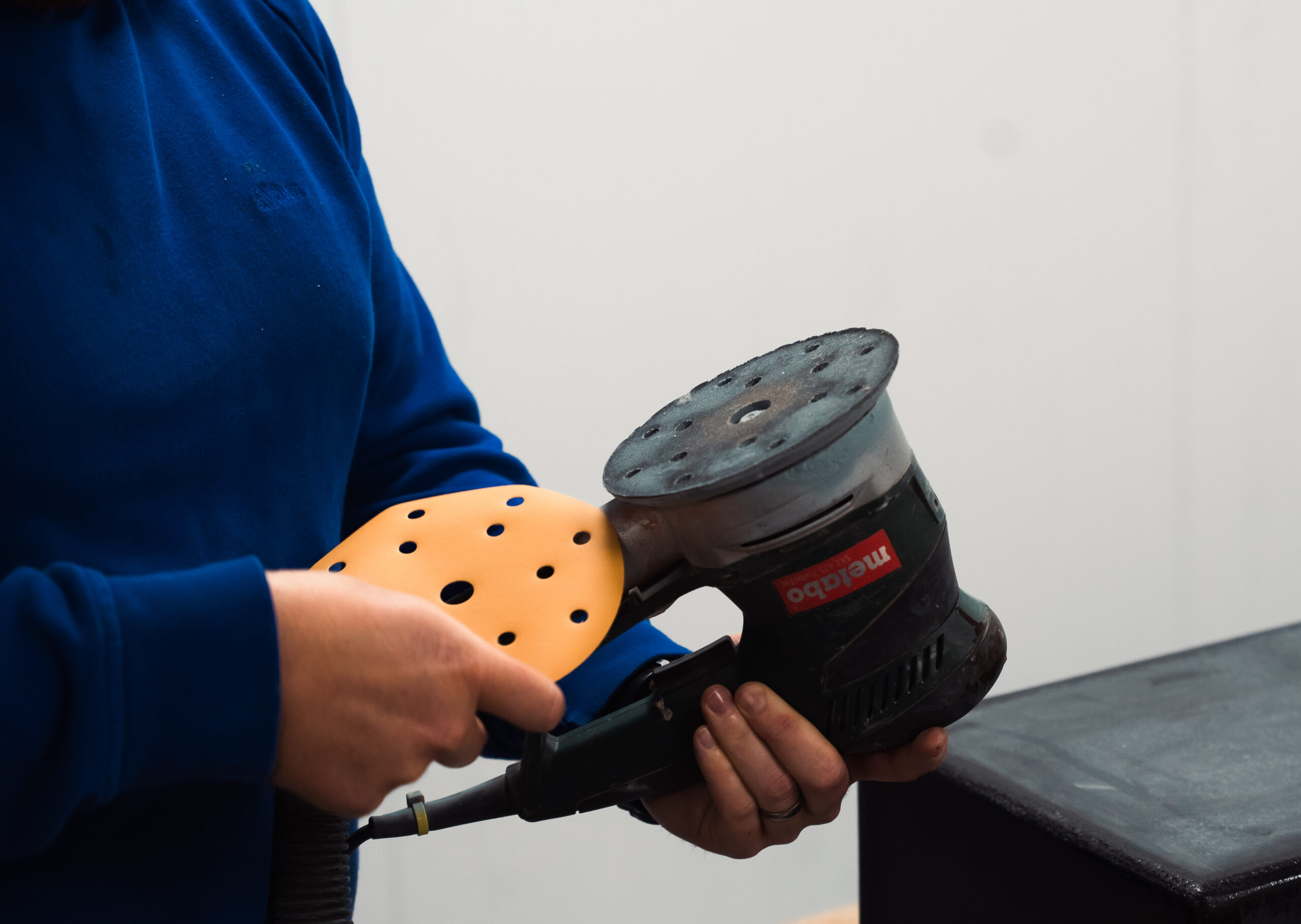
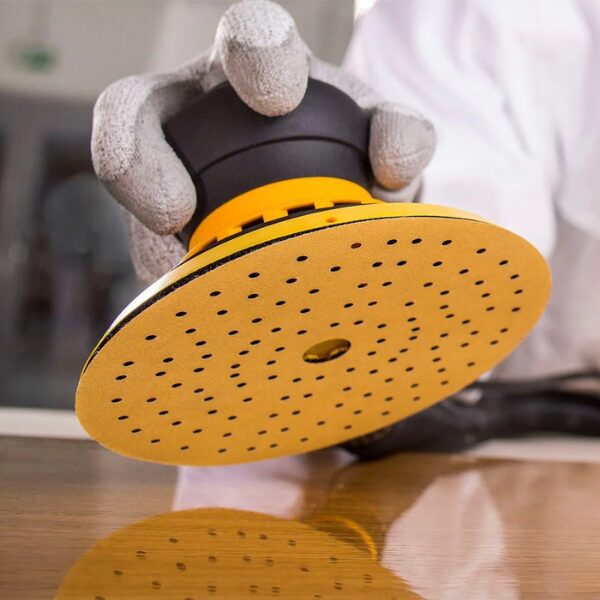
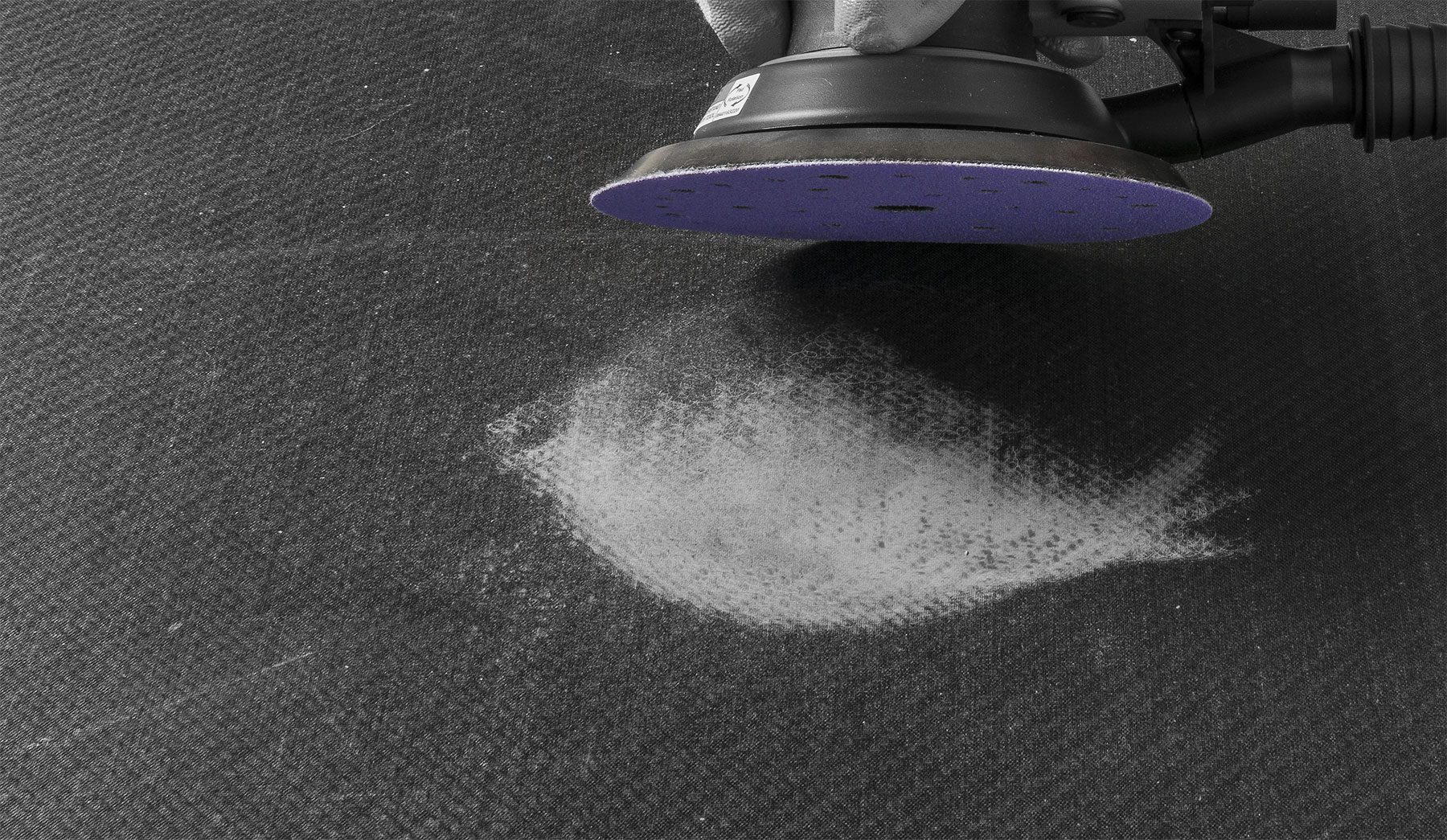
- Sanding equipment – use products such as the Universal Tool multi-function. grinder/removal kit, which will help with the surface preparation and cleaning task.
Any car deserves top-quality undersealing, it is a vital practice in car care and shields your car from rust and corrosion. It creates an impermeable shield, defending against moisture, salt, debris, and corrosion agents. Undersealing’s primary function is rust prevention and corrosion, leading to fewer repairs and a longer car lifespan.
While highly effective, it is important to consider undersealing in relation to other rust prevention methods. The seven-step undersealing process involves surface preparation, degreasing, masking, underseal application, drying, quality inspection, and rework and final touches.
Contact us to find out which products you need for your project.