

Vendor Managed Inventory Vs Consignment Stock
Vendor managed inventory (VMI) and consignment are not synonyms. They are not even remotely similar concepts. Yet the terms seem to be confused with one another frequently.
They are regularly used interchangeably and incorrectly used to describe a wide variety of different things and here we explain what they each mean.
What Is Vendor Managed Inventory?
Vendor managed inventory is a reasonably advanced form of stock management that has several potential benefits for all involved. In a VMI set up the Supplier – the organisation who provides the products – and the Customer – the company who needs their stock replenished – have an almost symbiotic relationship.
A VMI system takes a little bit of time and effort to set up, but once up and running it can become a highly profitable and streamlined process.
Essentially the Supplier takes responsibility for ensuring that the Customer has enough stock at all times.
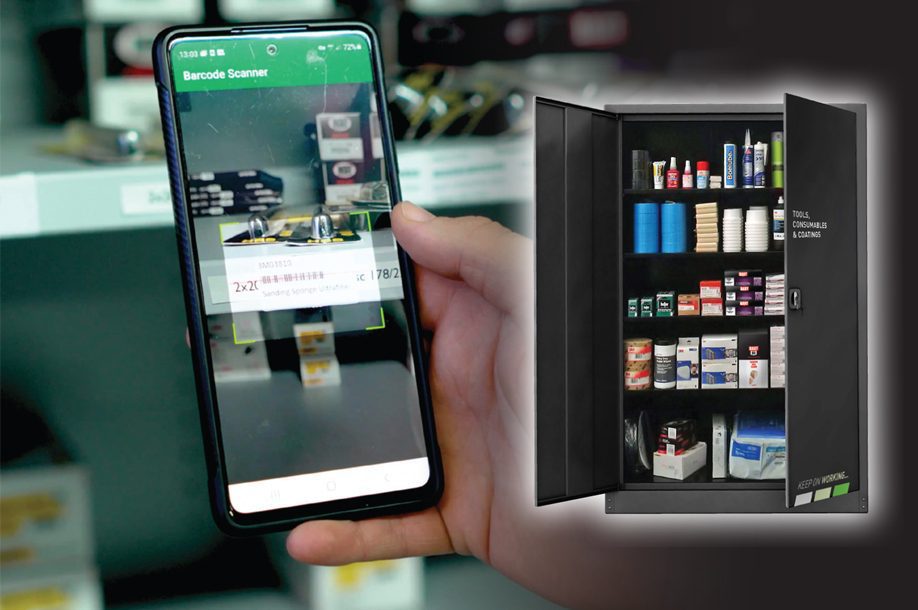
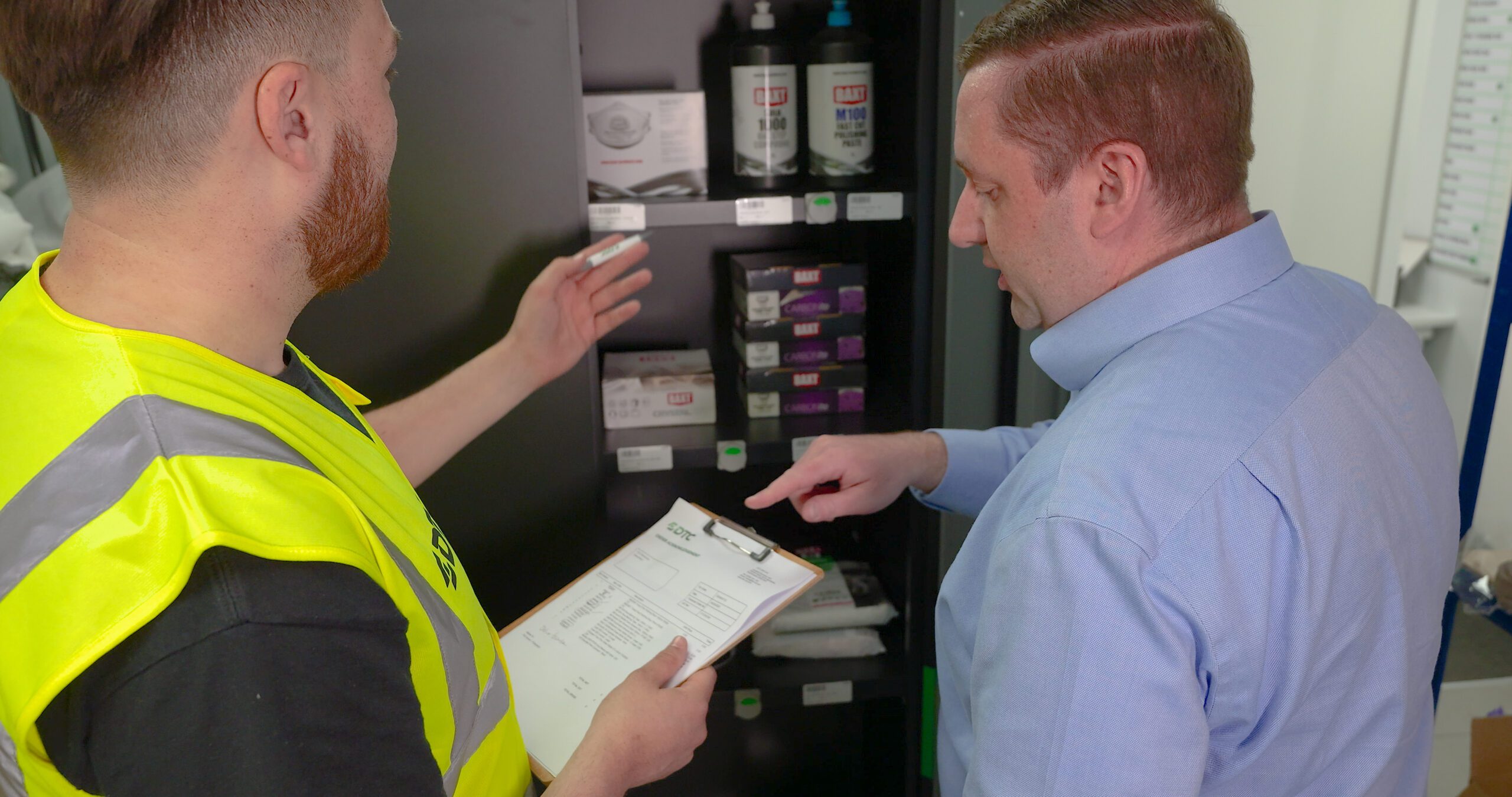
There are various ways this can be achieved. In some cases the Supplier will visit site regularly to check the stores and top up products as is required. Or the Customer will submit stock counts on an agreed frequency in order for the Supplier to monitor usage and automatically take care of replenishment.
For this to work effectively it’s important that the Customer provides the Supplier with weekly, or even daily, reports on sales, usage, and any potential future projects that will increase the demand for stock.
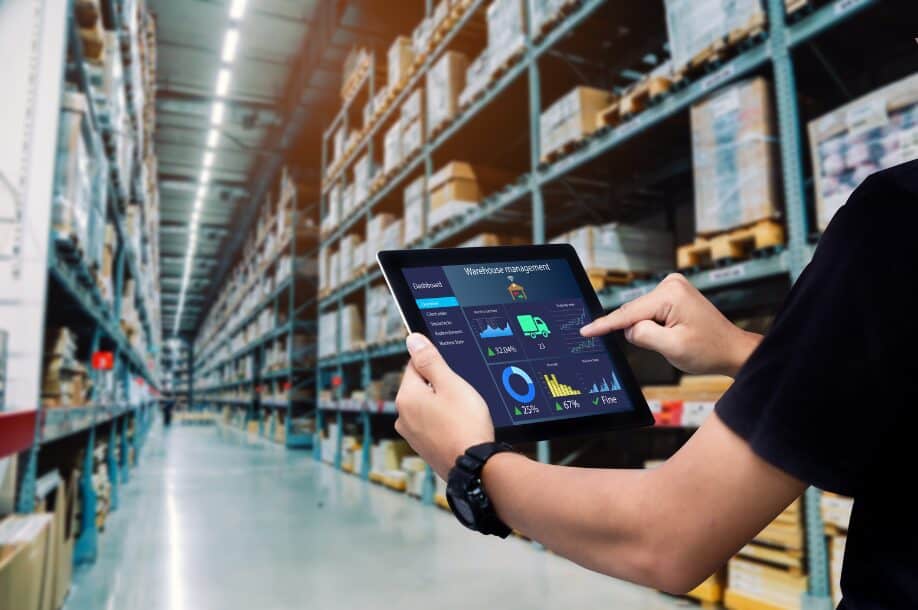
The Supplier then takes this information and inputs it into a VMI system to determine how much stock should be replaced. This is based on modelling of previous sales and forecasting.
The Key Benefits of VMI
The Supplier gains very little from the arrangement in the short term. They are essentially taking on a huge amount of additional work without any of the data required to make the process efficient or profitable.
However, over time this changes as the increased usage data builds. Within a few months the Supplier can start to accurately manage their own stock levels to maximise their own efficiency, profit margins, and replenishment reliability.
The main benefit for the Supplier is that they build a relationship with a reliable, long-term Customer who is unlikely to switch to another source, providing they continue to provide a decent service. Switching suppliers when using a VMI system is not a quick task, and if the current arrangement works it is rare that a Customer will switch to another supplier without good reason.
The Customer benefits from a VMI approach to stock management almost immediately when the first replenishment comes into their warehouse. They receive an uninterrupted flow of stock without having to do the calculations and place orders. When large orders are placed their own customers, the Supplier can see this almost instantly and start making provisions for stock deliveries.
The Risks of Over-Stocking Through Vendor Managed Inventories
Because the Supplier is controlling the ordering process Customers need a way to minimise the risk of the Supplier ordering stock that they don’t need. This risk is usually mitigated in one of two ways – Buy Backs or Consignment.
Buy Backs
The Supplier agrees to buy back any unsold or unused stock at any time. This negates any potential overstocking risk for the Customer and the only thing they are “expending” is space in their warehouse.
Consignment
The Supplier ‘loans’ the inventory to the Customer and they only pay for what they use. Let’s look at this in more detail.
What is Consignment?
The concept behind Consignment is reasonably simple. In a nutshell, it basically means that the Customer doesn’t actually own the stock in their warehouse – it still belongs to the Supplier. When they use or resell the stock they then purchase it from the Supplier. This way the Customer only ever pays for what they use and investment in stock is massively reduced.
The Key Benefits of Consignment
From the Customer’s point of view, Consignment can be used to create a significant advantage in some situations. For example, there may be a highly specialist and expensive product that it would be beneficial to have in stock. But this product is rarely required due to its specialist nature. With Consignment, you can have this item in stock ready to use without having to pay for it until it is needed.
Additionally, Consignment allows Customers to test new products or sales channels by reducing the investment risk before establishing a demand for it.
This also enables better management of cashflow for the Customer, ensuring investment in materials and products matches need and orders.
The Differences Between VMI and Consignment
The two terms are related to completely different and unrelated ways to manage stock levels.
- VMI is a method of controlling how much stock is in your stockroom. It has (almost) nothing to do with who owns the stock.
- Consignment is a method of determining who owns the stock in a stockroom at any given point. It has (almost) nothing to do with how it is replenished.
Consignment is not a new idea, especially when compared to the relatively modern idea of VMI. A Customer can stock their warehouse on a Consignment basis without being aware of VMI existing as another option for stock management.
Similarly, VMI systems do not have to use Consignment to decide who owns what in the customer’s stockroom. Many VMI systems use the Buy Back method instead of using Consignment to mitigate over stock risks.
Although they are unrelated concepts, they can be used together. It is possible and often beneficial for a VMI system to use a Consignment based system.
So in summary;
- VMI doesn’t have to use Consignment
- Consignment can be and is used without VMI
- But Consignment and VMI can be used together to great effect
The Benefits of Using VMI & Consignment Together
Perhaps the reason that Consignment is often confused with VMI is because the concepts work so well together. Because Customers have little control over their stock levels in a VMI system they need some kind of assurance that they are only going to be paying for what they need.
The method mentioned earlier about buying back stock from Customers is a good enough way to mitigate this risk but it has its limitations. With the buyback system, the Customer needs to keep an eye on stock themselves to decide what they want the Supplier to buy back from them. The Customer and the Supplier have to create invoices for both the initial sale and the buyback and then money transfers need to be made. All taking time and effort for both parties.
With a Consignment based system, the Customer only ever buys what they need, and the Supplier only sells what the Customer wants. Considering the long-term nature of a VMI system, this is a better approach.