
How Superyacht Builders are Reinventing the Hull
In yards across Northern Europe and the Mediterranean, something fundamental is changing about how superyachts are built. Not the design. Not the propulsion systems. The hull itself.
At METSTRADE 2025, an industrial alliance bringing together Arkema, Groupe Beneteau, Veolia, Composite Recycling, Owens Corning and Chomarat was named Sustainability Project of the Year for their work with Elium recyclable thermoplastic resin — a system that allows hulls and their fibres to be dismantled and reintroduced into the manufacturing process. It is a meaningful moment. Not because recyclable hulls are now standard, but because the conversation has shifted. The question is no longer whether sustainable hull construction is possible. It is how quickly the industry can get there — and how honest it is about the obstacles along the way.
What Is Actually Being Built
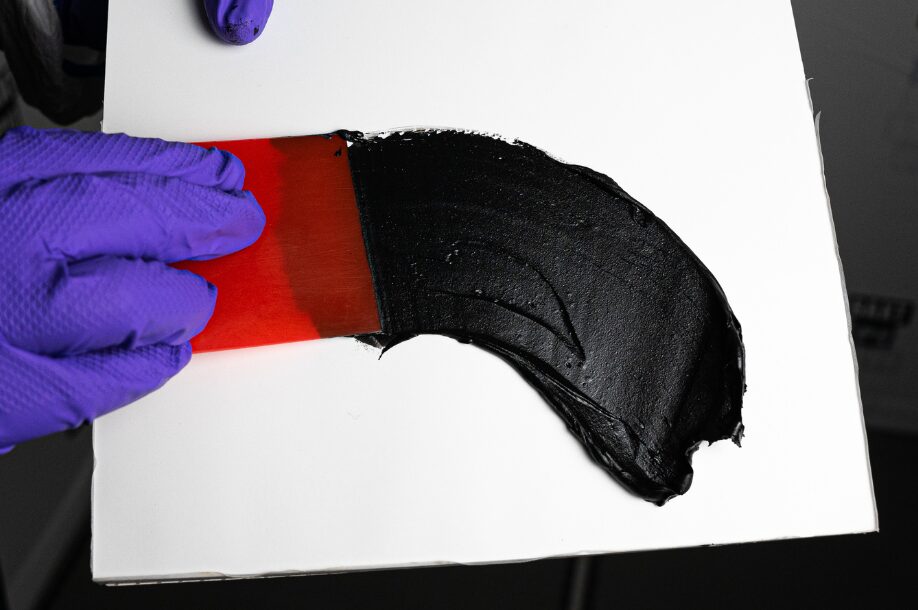
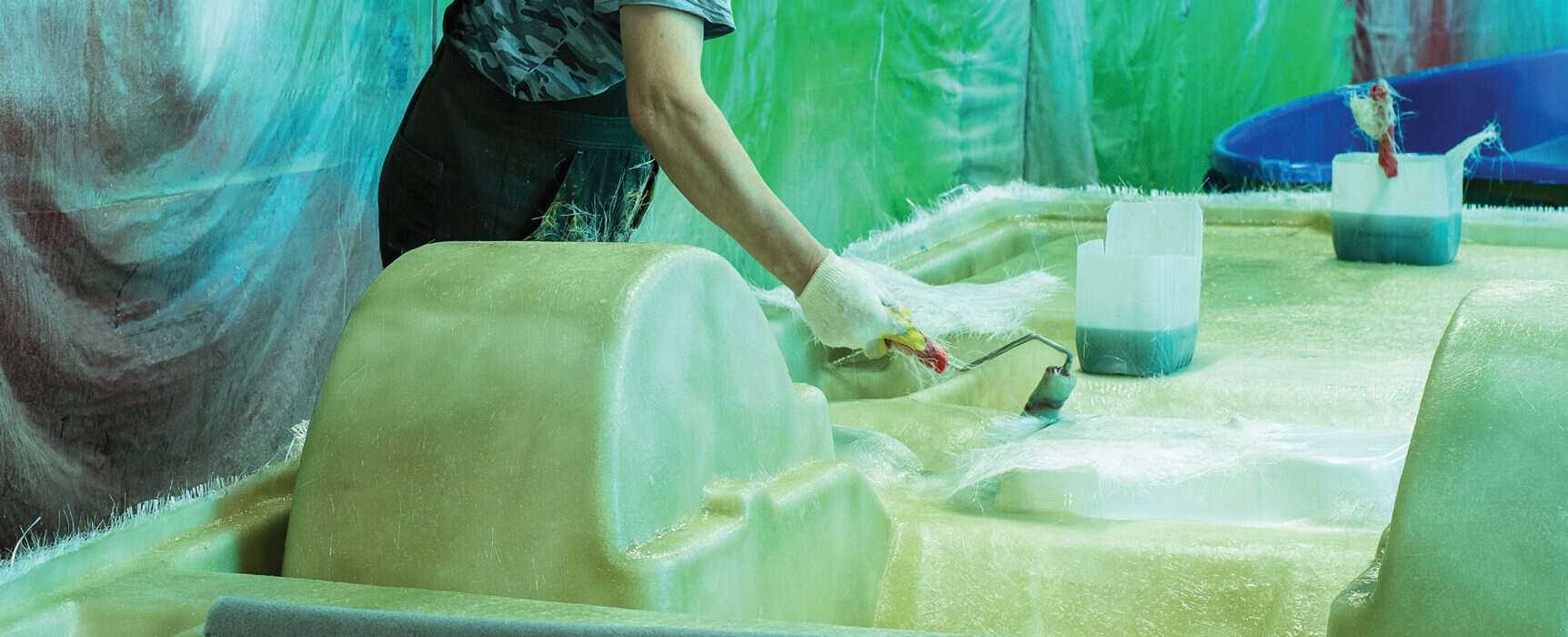
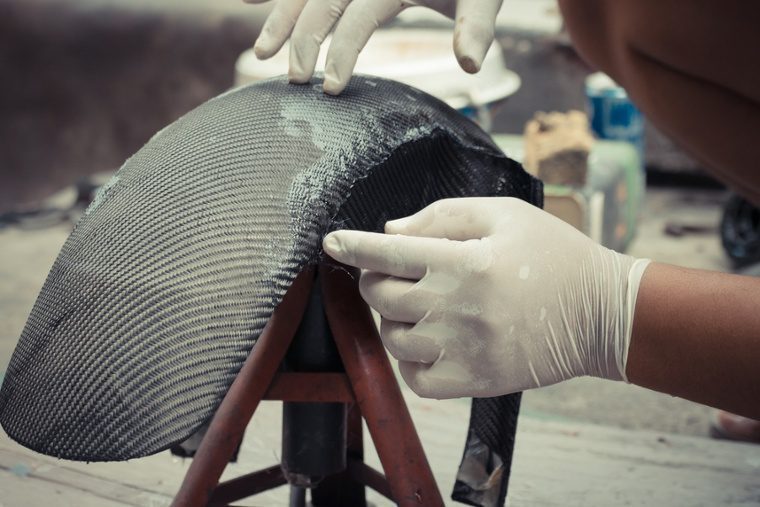
The materials arriving on the workshop floor are genuinely new. Bio-based epoxy systems such as Sicomin’s SR GreenPoxy 550 are derived in part from plant sources, eliminating harmful substances while meeting or exceeding the properties of traditional resins. Compared to a traditional full-carbon composite hull, a hull built with bio-based epoxy and natural fibres can reduce the construction carbon footprint by up to 80 per cent, while offering comparable stiffness and structural integrity.
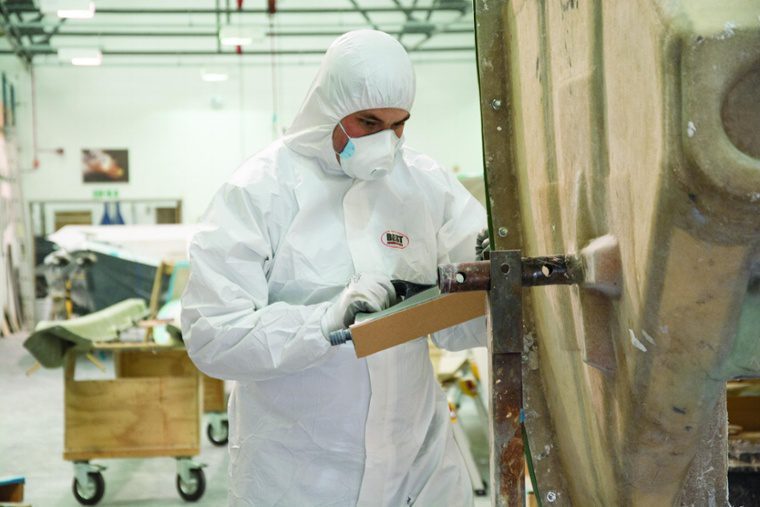
Natural fibres are also making inroads. Flax fibre composites are being used by builders, including Baltic Yachts, with the material growing from seed to crop in eight weeks, requiring no irrigation and no chemical inputs. Meanwhile, companies such as BRŪT Yachts are building hulls from fifty per cent recycled material, and 3D printing technology is being applied to hull production — eliminating the need for moulds and reducing both production time and material waste.
These are not concept projects. They are production realities, moving at varying speeds through different segments of the market.
Where the Difficulty Lives
The honest picture is more complicated than the headlines suggest.
The structural performance of bio-based and natural fibre systems has improved considerably, but they are not yet equivalent to carbon or glass fibre across all applications. Resin control remains a particular challenge with natural fibres — without compression, the fibres can absorb excessive resin, which affects both weight and consistency.
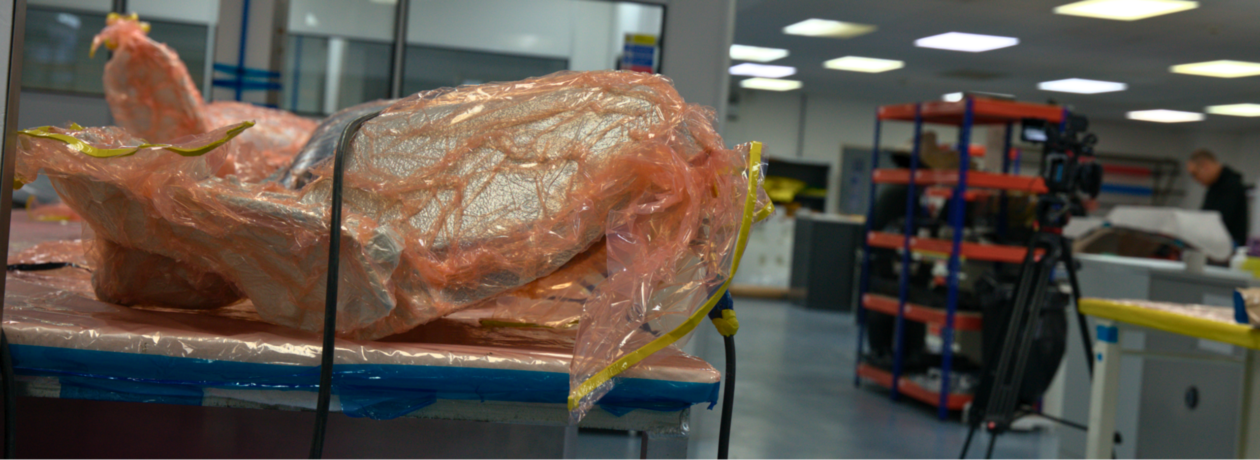
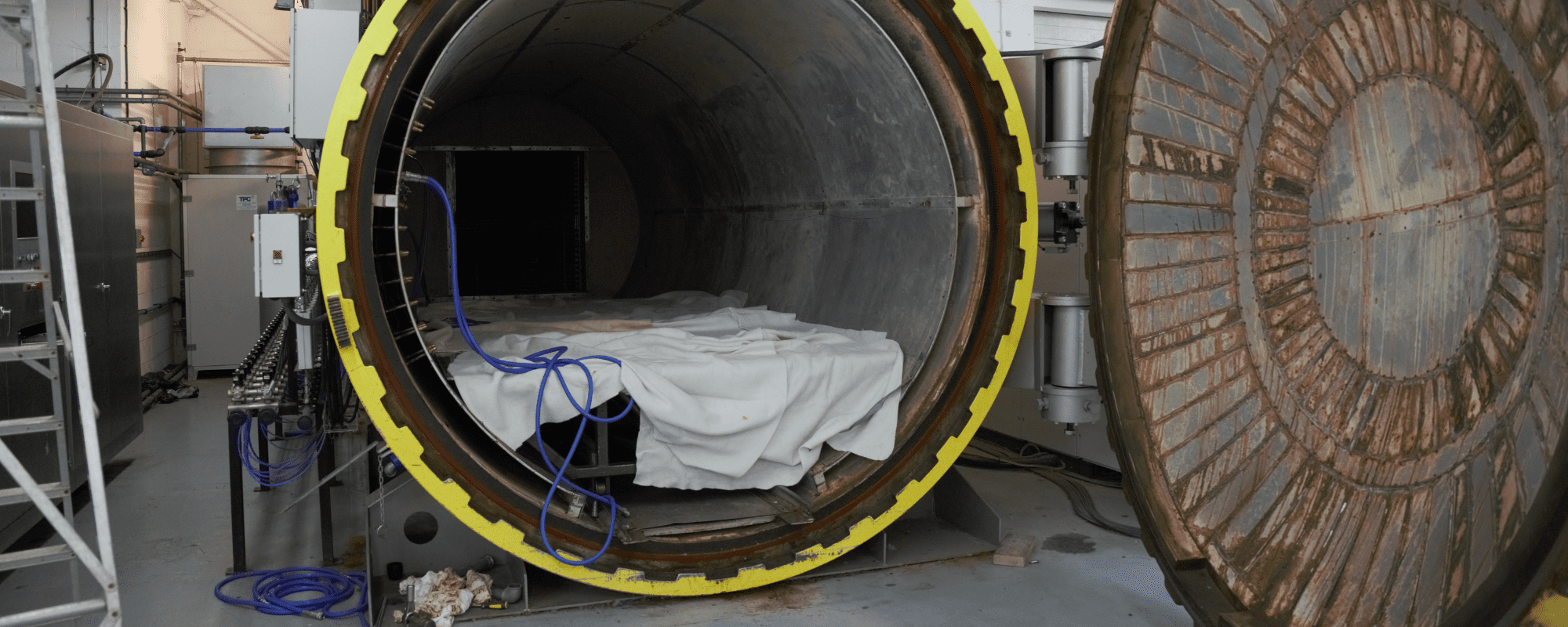
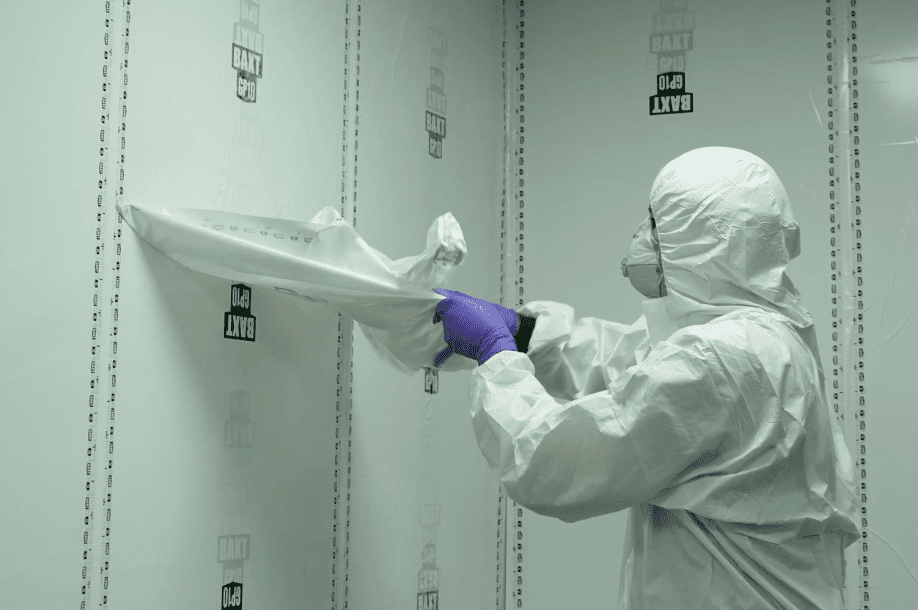
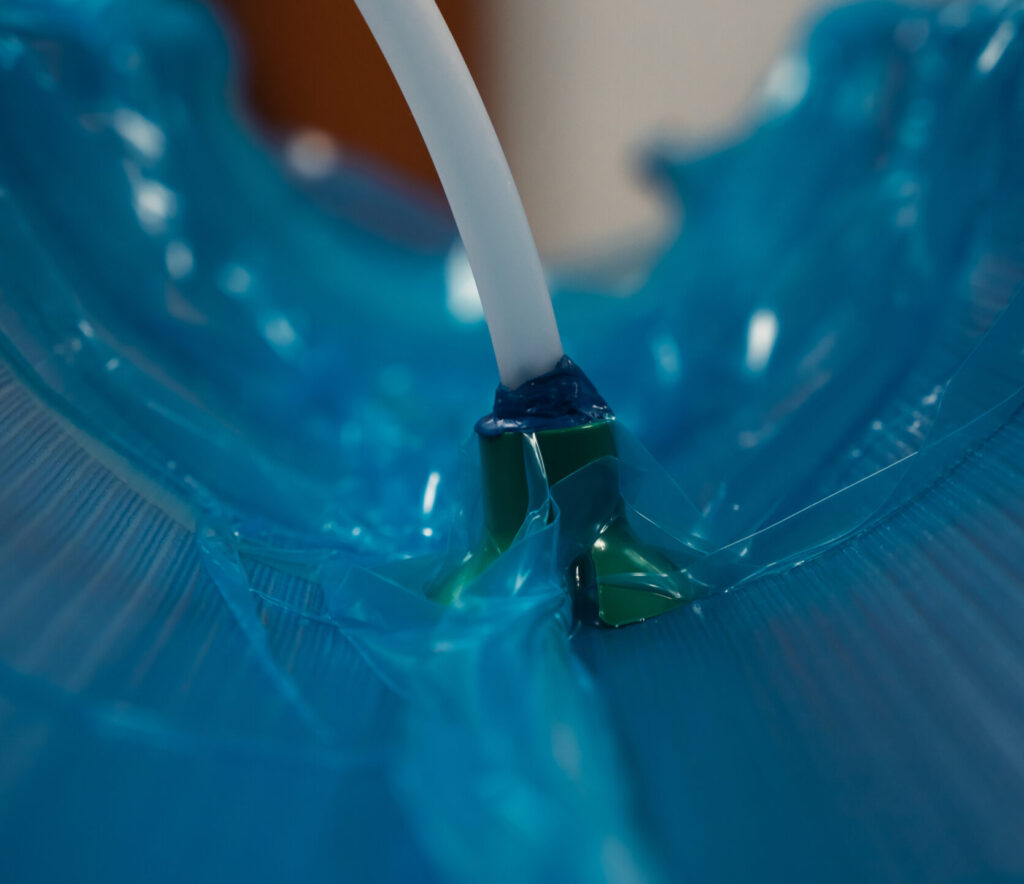
Vacuum infusion addresses this but introduces its own environmental considerations through single-use bagging materials.
End-of-life management presents a deeper problem. In the EU, there are approximately 80,000 abandoned boats, and projections indicate that the number of vessels reaching end-of-life will exceed 30,000 per year by 2030 — an average of over 23,000 tonnes of annual waste (Springer). Recyclable resin systems offer a genuine solution to this, but only if the infrastructure to process them at scale exists. Currently, it largely does not.
Cost remains the most persistent barrier. Bio-based and recyclable materials carry a price premium that narrows significantly at scale but remains real at the volumes associated with superyacht construction. For yards operating on long build timelines and highly customised specifications, the commercial case requires careful construction.
The Coatings Challenge
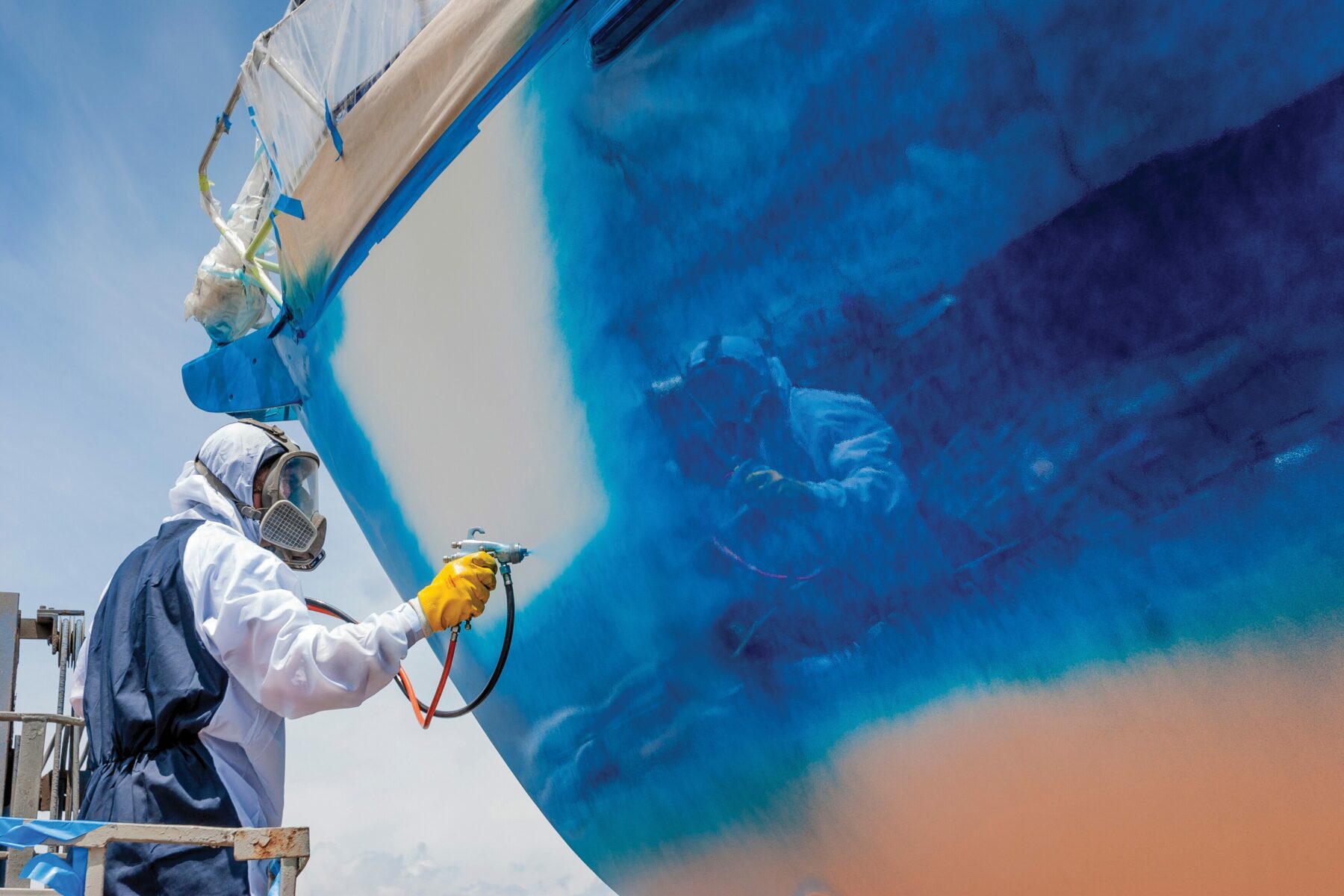
Below the waterline, a separate but equally significant transition is underway.
Traditional antifouling coatings have long relied on toxic biocides that alter the chemical balance of water bodies, disrupting ecosystems and reducing biodiversity. In response, governments and environmental organisations are introducing increasingly strict regulations.
The International Maritime Organization’s Antifouling Convention has already banned organotin compounds, and the 2023 amendments extended controls to cybutryne, another commonly used antifouling biocide. Non compliance now carries real operational risk, including vessel detention and disrupted itineraries.
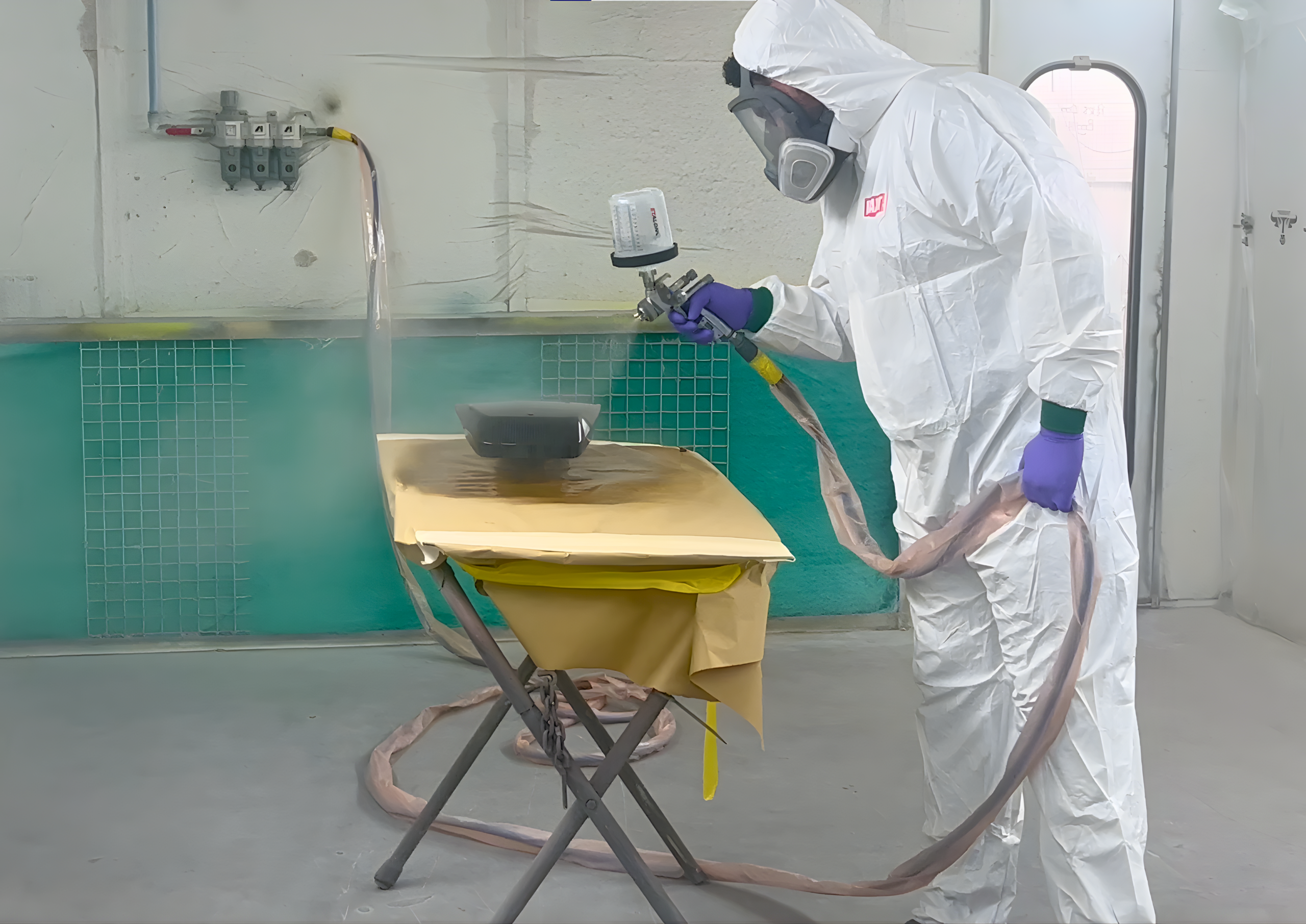
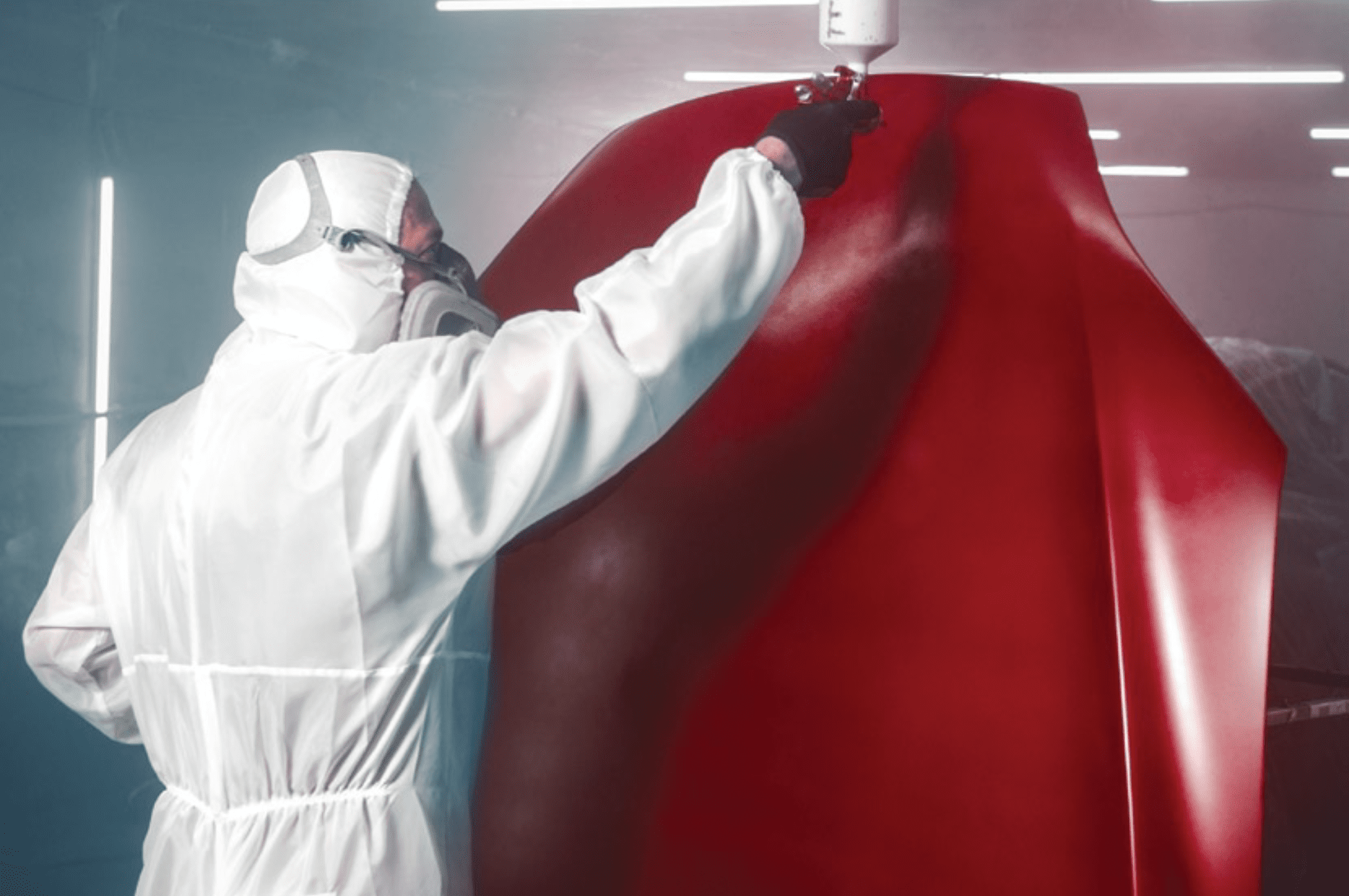
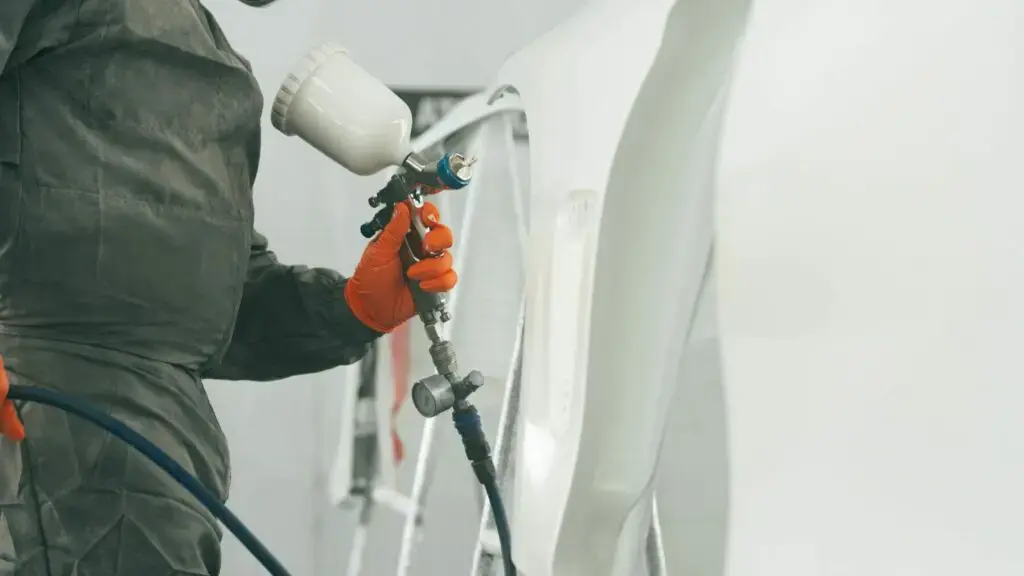
The alternatives are developing quickly. At METS 2025, Seajet released a new series of silicone-based, biocide-free coatings, while coating suppliers are increasingly testing bio-based raw materials for use in underwater coating solutions. Foul-release systems that rely on physical properties rather than chemistry to prevent marine growth are gaining traction, particularly among owners whose vessels move frequently. For vessels that spend extended periods at anchor, the performance picture is less straightforward.
The superyacht industry is under increasing pressure to reduce its environmental footprint — not only from owners, but from regulatory bodies, marinas, charter clients and public opinion. That breadth of pressure is significant. It means sustainability in coatings is no longer driven solely by regulation. It is becoming a commercial expectation.
Why the Pace Matters
The superyacht sector is not the primary driver of global emissions. But it operates under a level of scrutiny disproportionate to its size, and the decisions made here tend to travel downstream into wider marine manufacturing.
With sixty per cent of ultra-high-net-worth superyacht owners now under fifty years old, sustainability is increasingly a purchasing priority rather than an afterthought — and that demographic shift is expected to accelerate investment in green technology across the sector.
The race to zero is real. But it is not a sprint. It is a structural transformation of how hulls are designed, built, coated and eventually recovered — and it is happening across workshops, chemistry laboratories and regulatory bodies simultaneously.
For the yards, suppliers and finishing teams at the centre of it, the challenge is not deciding whether to engage. It is keeping pace with a transition that is moving faster than many anticipated, with solutions that are promising but not yet fully proven at scale.
The hull is changing. Everything built around it will need to change with it.