
THE CLOCK IS ALWAYS RUNNING
Why unplanned downtime costs more than most operations realise — and what the right supply partner does about it
There is a number that rarely appears on a production manager’s report. It does not show up in a budget review. It is not tracked against a KPI. But it is real, and in most composite, marine, and aerospace operations, it is larger than anyone wants to admit.
It is the cost of waiting.
Waiting for consumables that should have been in stock. Waiting for a supplier to call back. Waiting for a delivery that was promised for Tuesday and arrives on Thursday.
While the wait happens, the clock keeps running — and the people, the facility, and the equipment are all on the meter.
The hidden cost of reactive supply
Most operations understand the visible costs of downtime. A production line that stops has an obvious impact. What is harder to quantify — and therefore easier to ignore — is the cost of the smaller interruptions.
- The operator who cannot start a job because the right abrasive is not on the shelf.
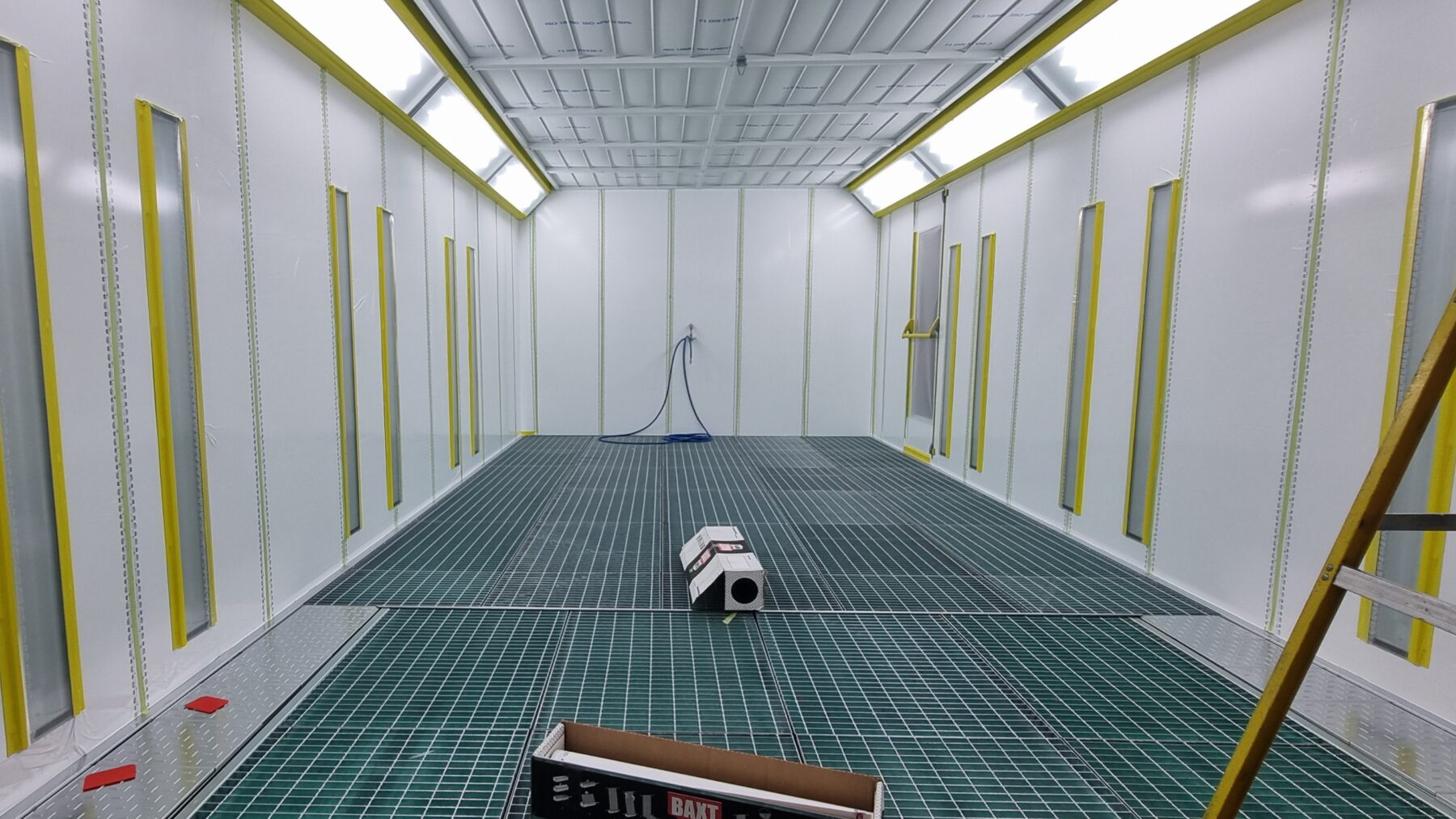
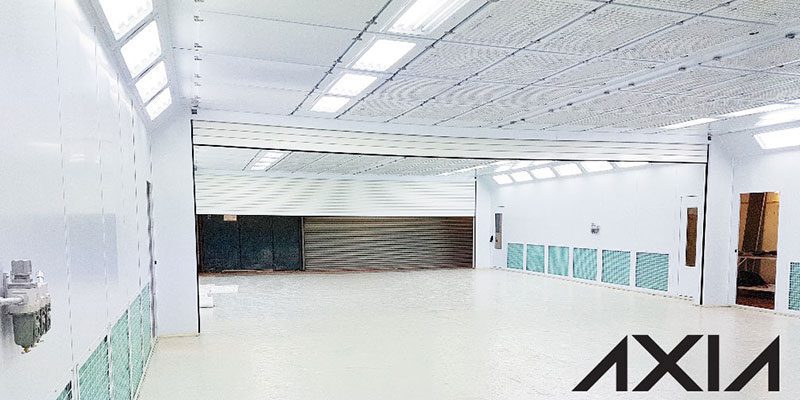
- The spray booth standing idle because the filters were not replenished in time.
- The project that slips a day because a consumables order did not arrive when it was supposed to.
Individually, each of these looks minor. Collectively, across a year, they represent a significant drag on productivity — and almost all of them are avoidable.
The difference between an operation that runs cleanly and one that is constantly firefighting often comes down to one thing: whether consumables are being managed proactively or reactively.

Reactive supply is expensive supply
When consumables are managed reactively — ordered when stock runs out, sourced at short notice, chased when deliveries are late — the cost is not just financial. It is operational. Purchasing teams spend time on problems that should not exist. Production managers make calls they should not have to make. And account managers at the supplier end spend their time apologising rather than adding value.
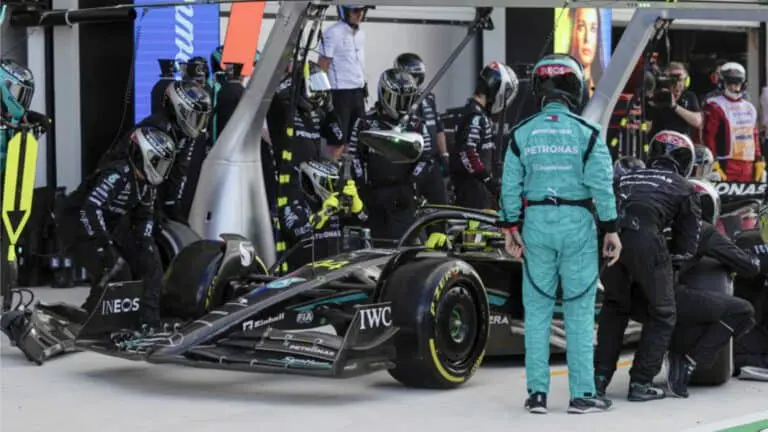
The 3pm Friday call is a useful test. When a job is starting Monday, stock is short, and the window is tight — what does your supplier actually do? For some, the honest answer is that the weekend gets in the way. For others, the answer is yes.
That answer is not accidental. It is the result of a supply infrastructure built specifically to operate in environments where the clock does not stop running just because it is inconvenient.
What proactive supply looks like in practice
Below the waterline, a separate but equally significant transition is underway.
Traditional antifouling coatings have long relied on toxic biocides that alter the chemical balance of water bodies, disrupting ecosystems and reducing biodiversity. In response, governments and environmental organisations are introducing increasingly strict regulations.
The International Maritime Organization’s Antifouling Convention has already banned organotin compounds, and the 2023 amendments extended controls to cybutryne, another commonly used antifouling biocide. Non compliance now carries real operational risk, including vessel detention and disrupted itineraries.
The alternatives are developing quickly. At METS 2025, Seajet released a new series of silicone-based, biocide-free coatings, while coating suppliers are increasingly testing bio-based raw materials for use in underwater coating solutions. Foul-release systems that rely on physical properties rather than chemistry to prevent marine growth are gaining traction, particularly among owners whose vessels move frequently. For vessels that spend extended periods at anchor, the performance picture is less straightforward.
The superyacht industry is under increasing pressure to reduce its environmental footprint — not only from owners, but from regulatory bodies, marinas, charter clients and public opinion. That breadth of pressure is significant. It means sustainability in coatings is no longer driven solely by regulation. It is becoming a commercial expectation.
The question worth asking
If your operation is regularly dealing with stock shortages, urgent orders, or last-minute supplier calls, the cost is almost certainly higher than it appears. The question is not whether reactive supply is expensive. It is whether the current supply arrangement is set up to prevent it.
The clock is always running. The right supply partner makes sure you are never waiting for it.