

A Day in a Live Paintshop
Most people see the finish. Very few understand what it takes to get there.
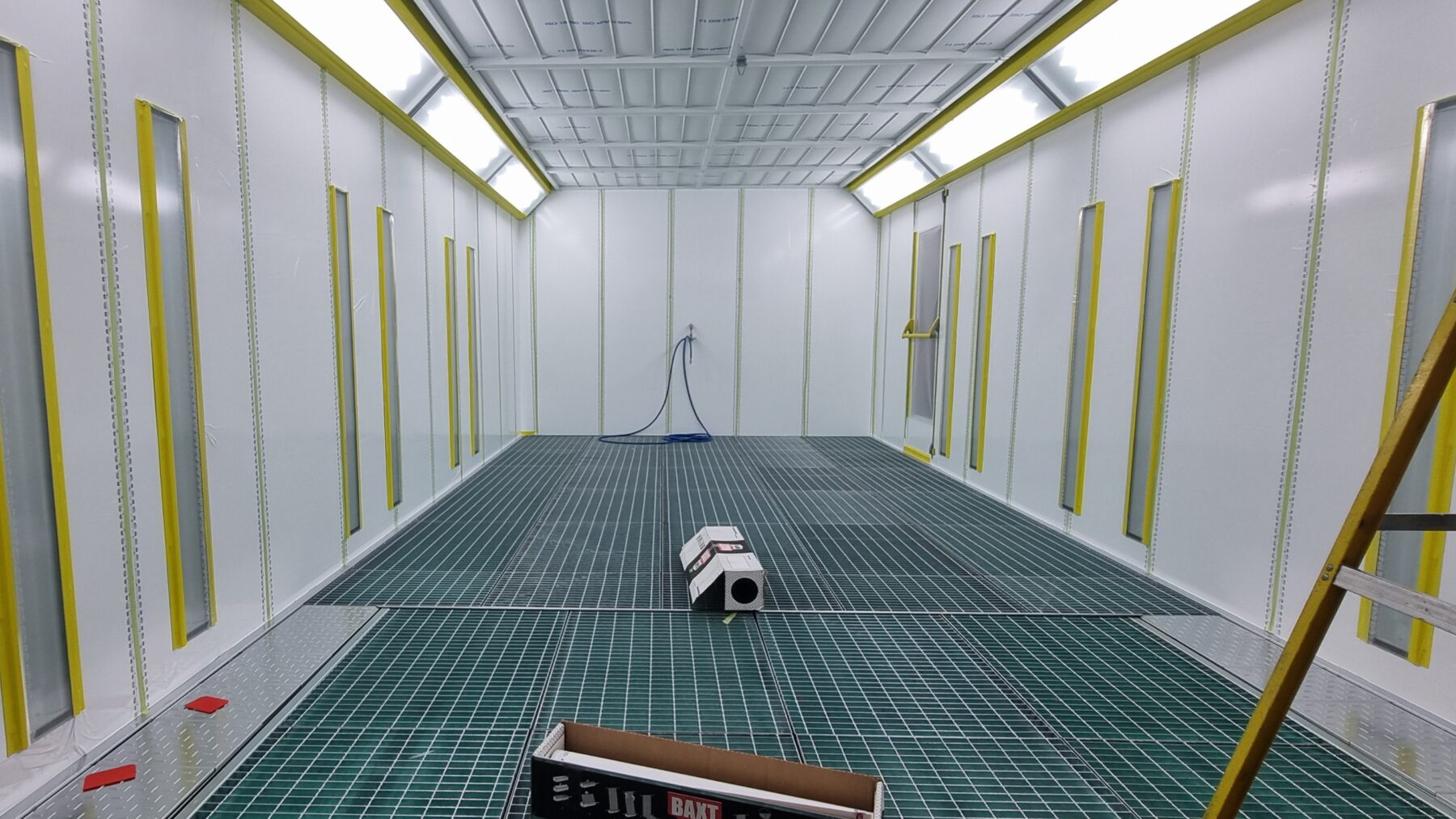
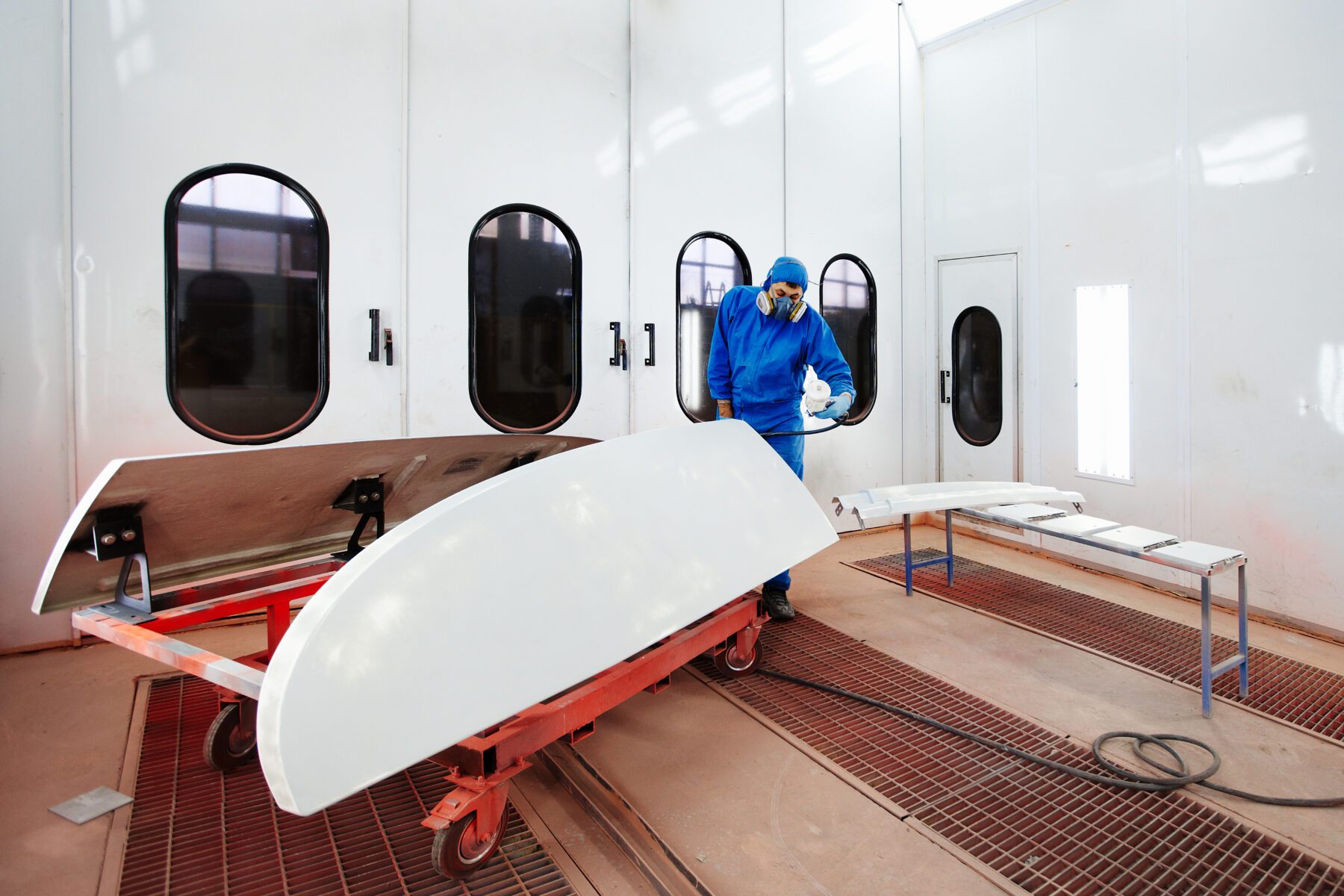
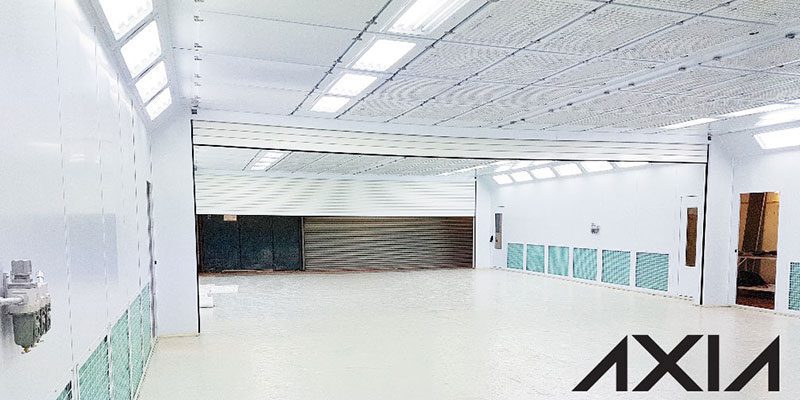
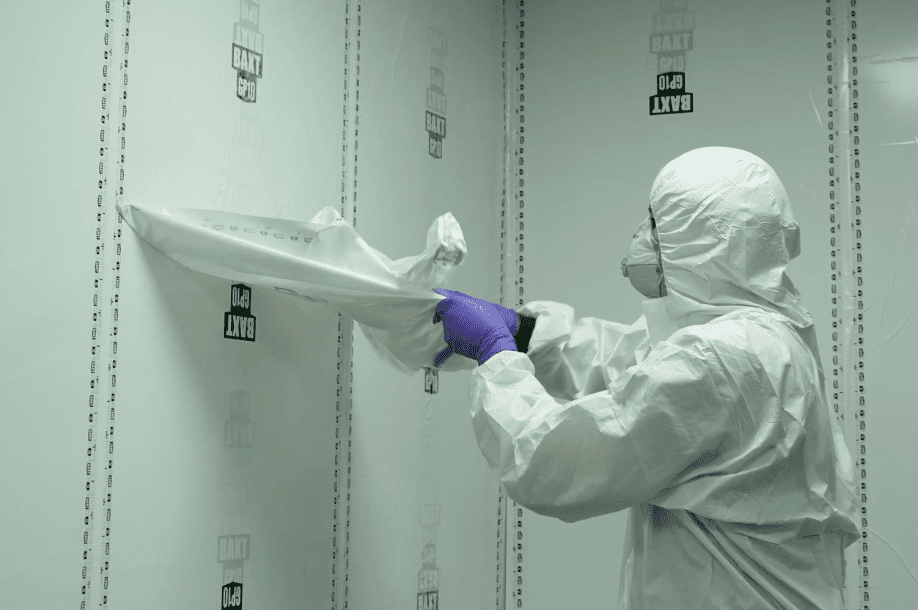
In a superyacht paintshop, the quality of the final coat is decided long before a spray gun is lifted. Environment checks, material staging and sequence confirmation all take place before the first painter suits up.
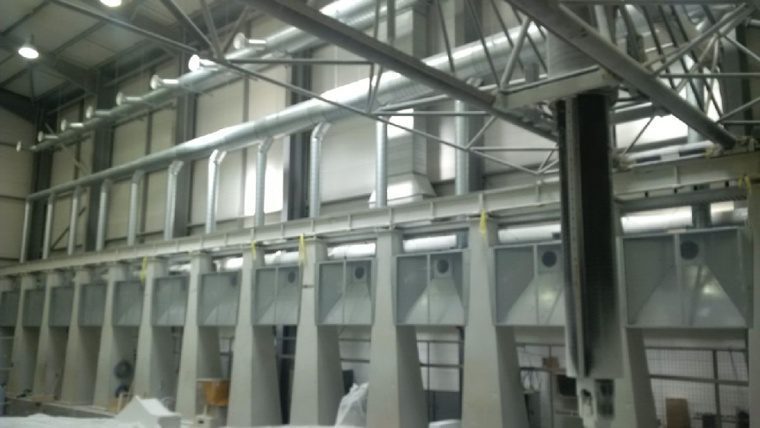
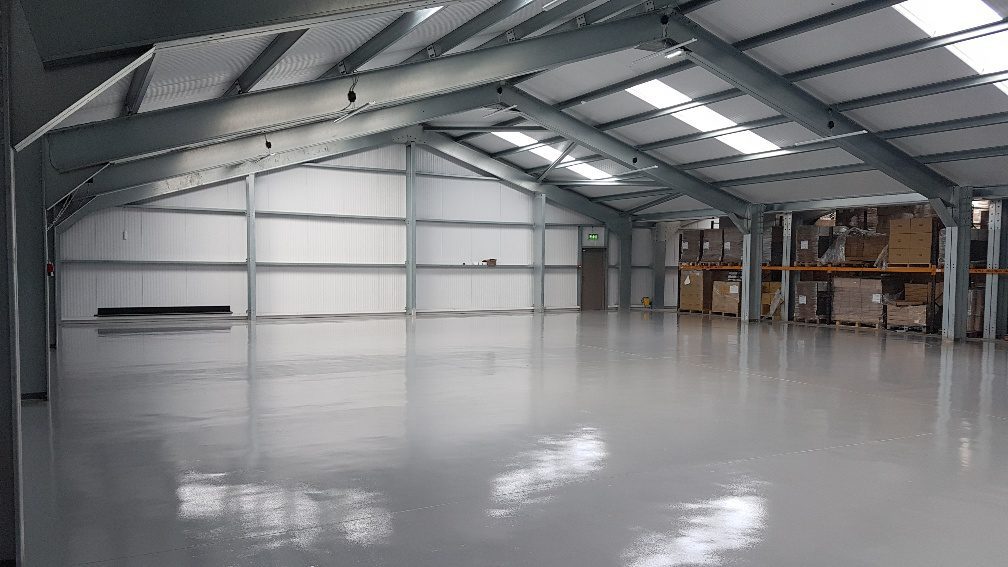
Temperature, humidity and airflow are verified first. In this environment, when those variables are wrong, everything that follows is compromised. There are no shortcuts that do not eventually show up on the hull.
This is not a dramatic environment. It is a controlled one. And the difference between those two things is where quality either holds or quietly falls apart.
Stage One: Surface Preparation
Before any coating touches the hull, the substrate has to be perfect. Not close. Not good enough. Perfect.
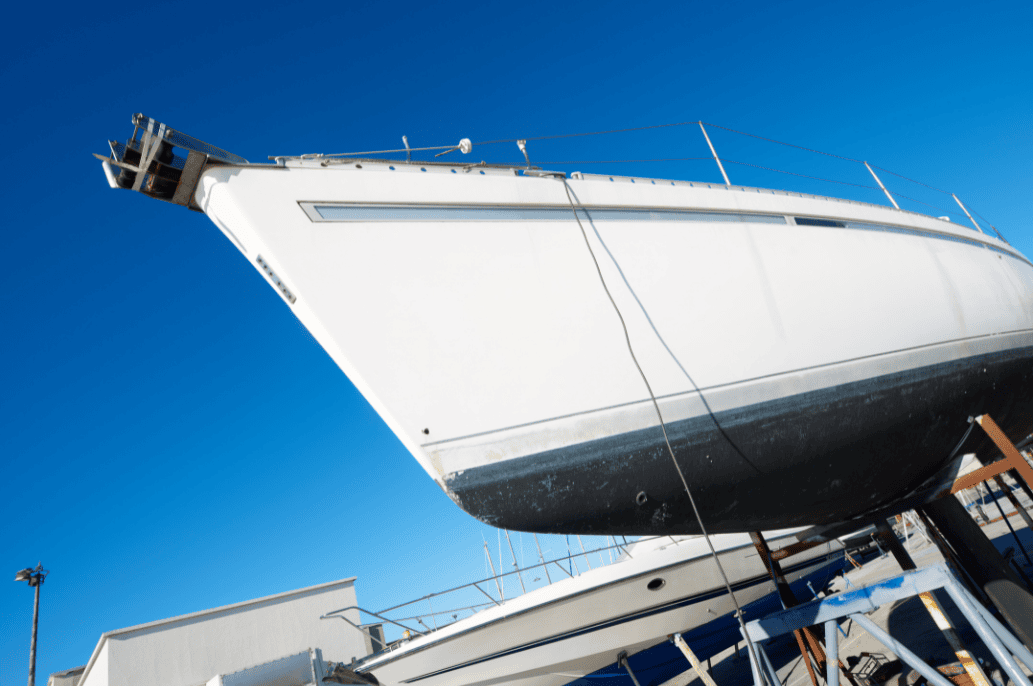
Surface preparation in a marine environment is unforgiving. Salt contamination, osmotic moisture and previous coating residue all create adhesion risk that no topcoat can compensate for. This stage often accounts for over sixty per cent of total labour time on a superyacht refinish, and it is where the wrong abrasive grade, the wrong technique or the wrong sequence costs the most.
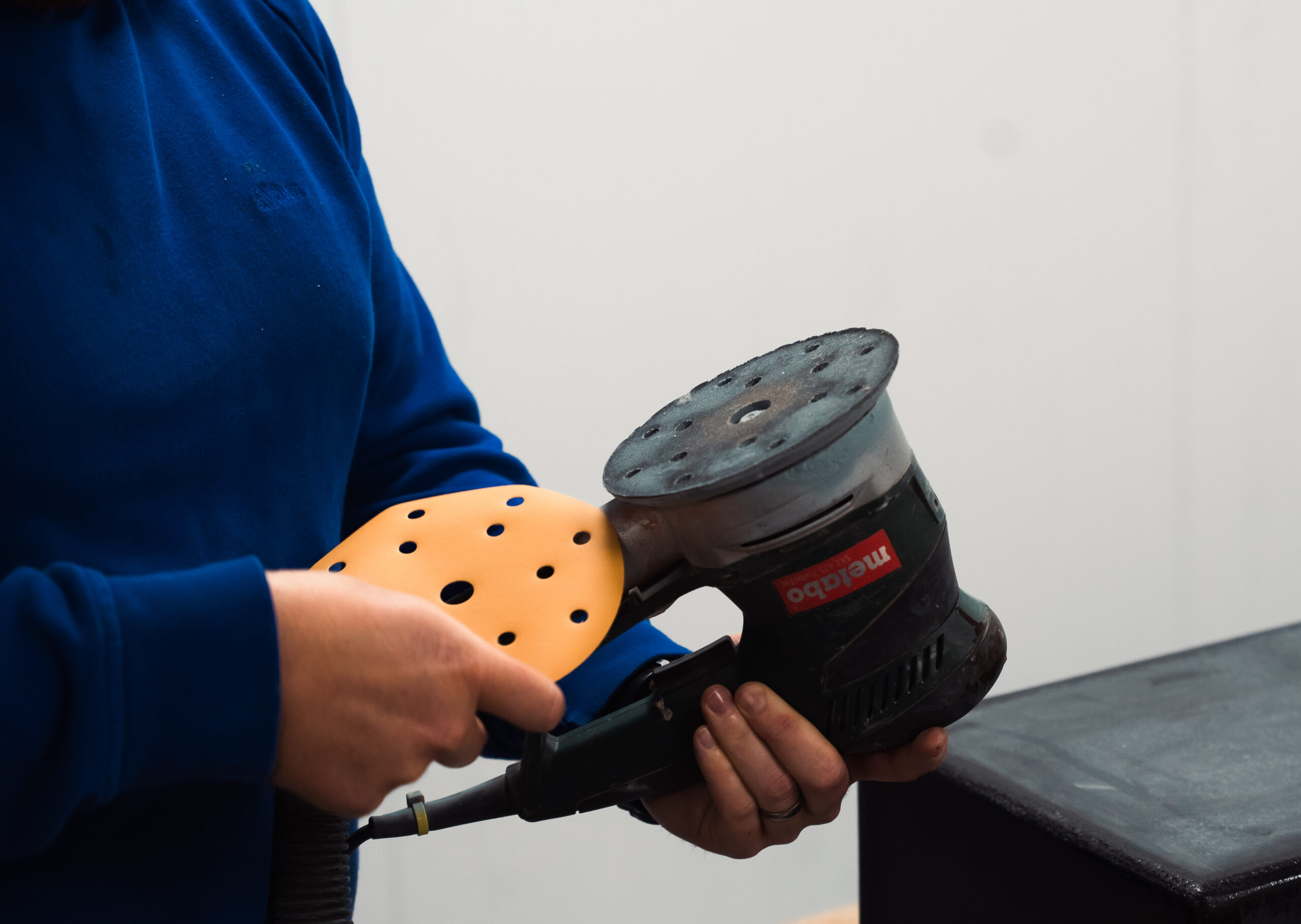
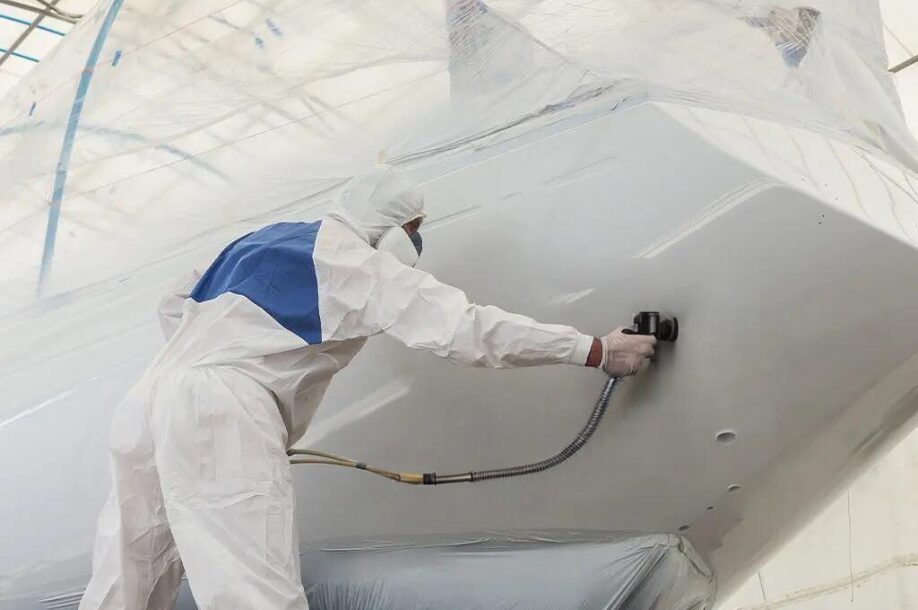
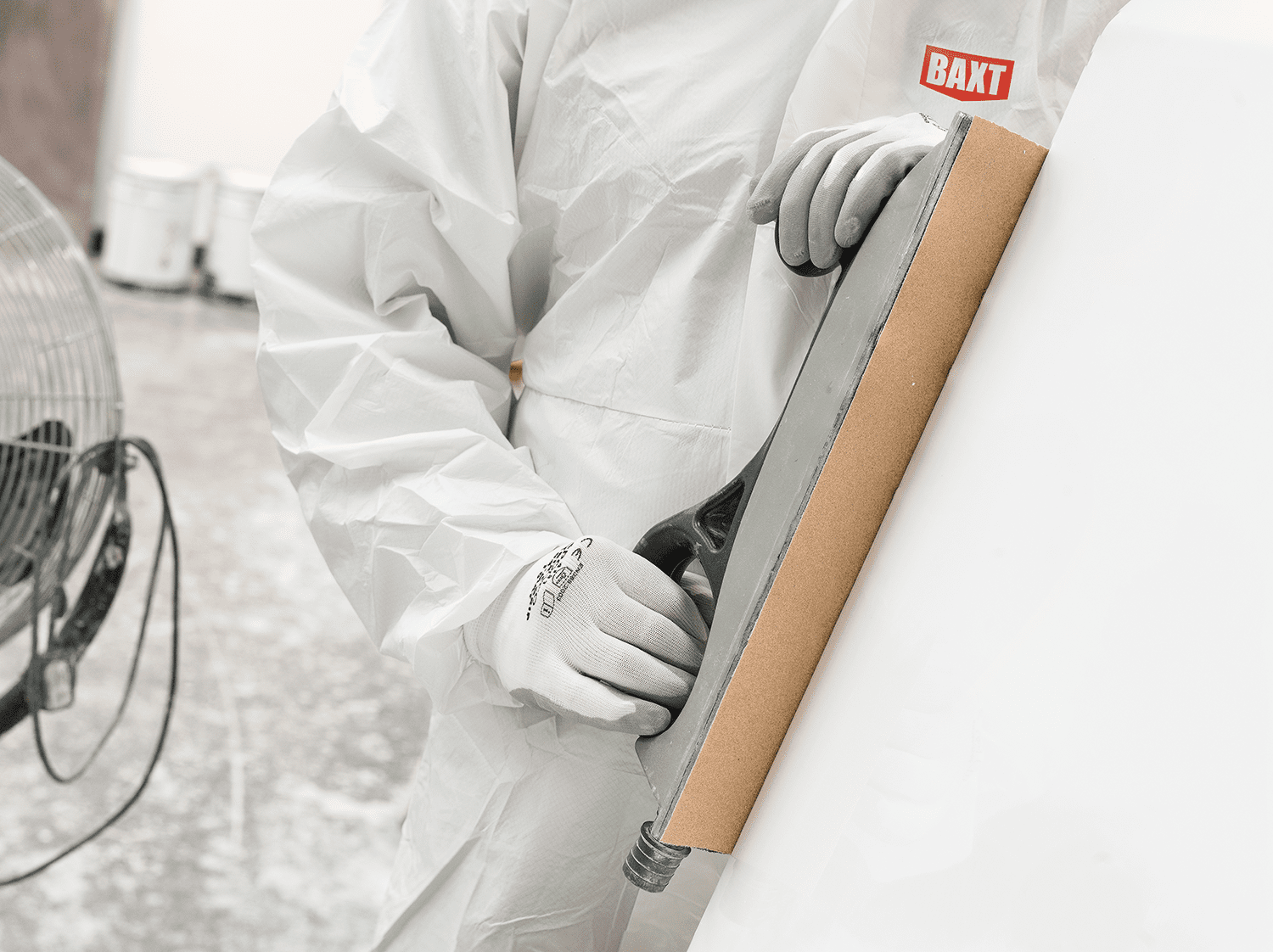
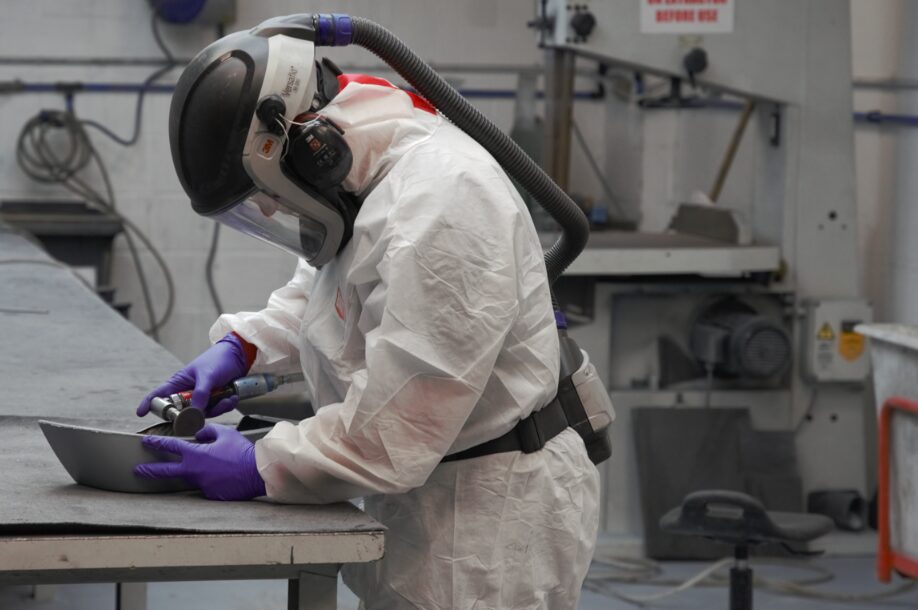
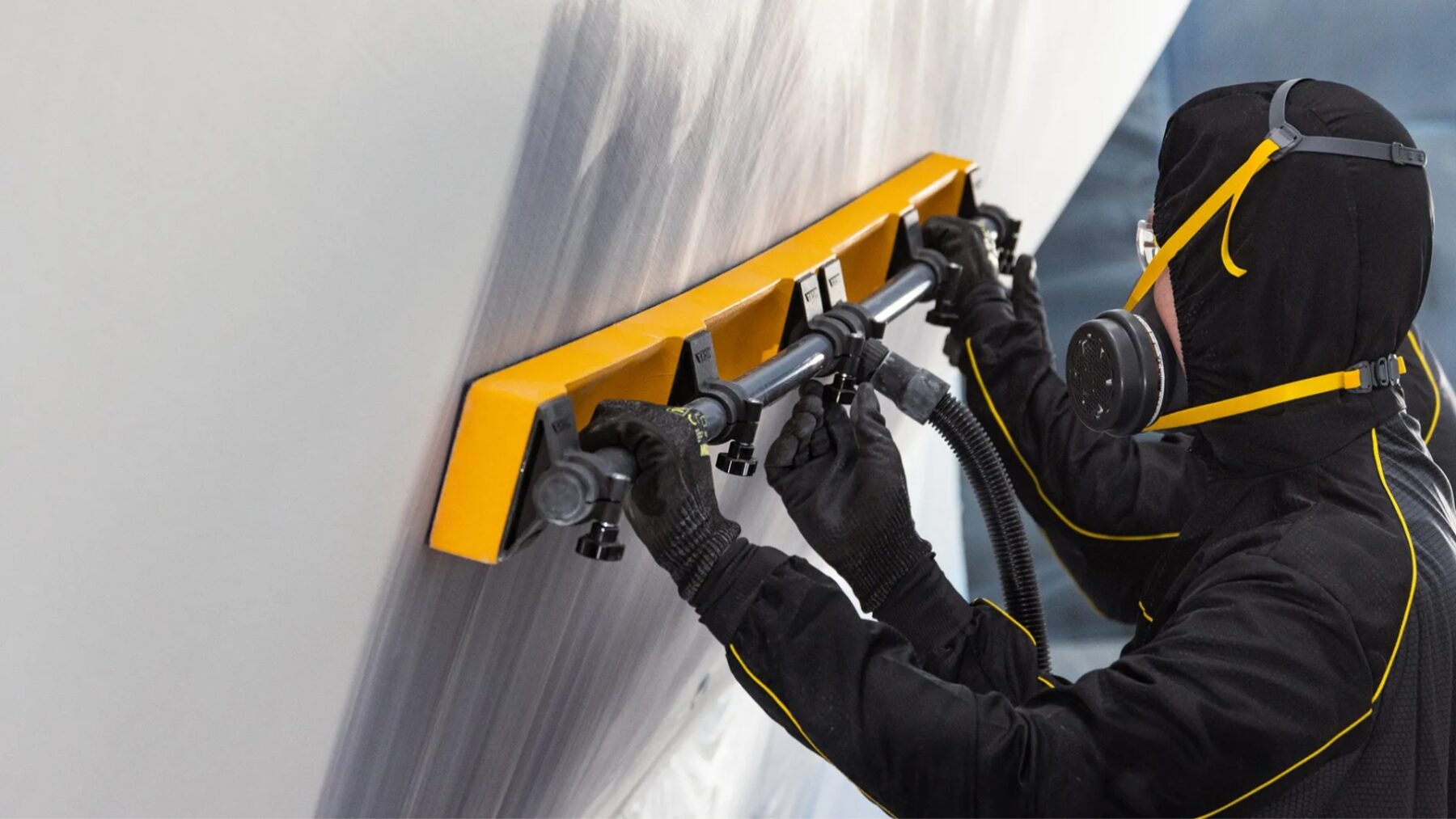
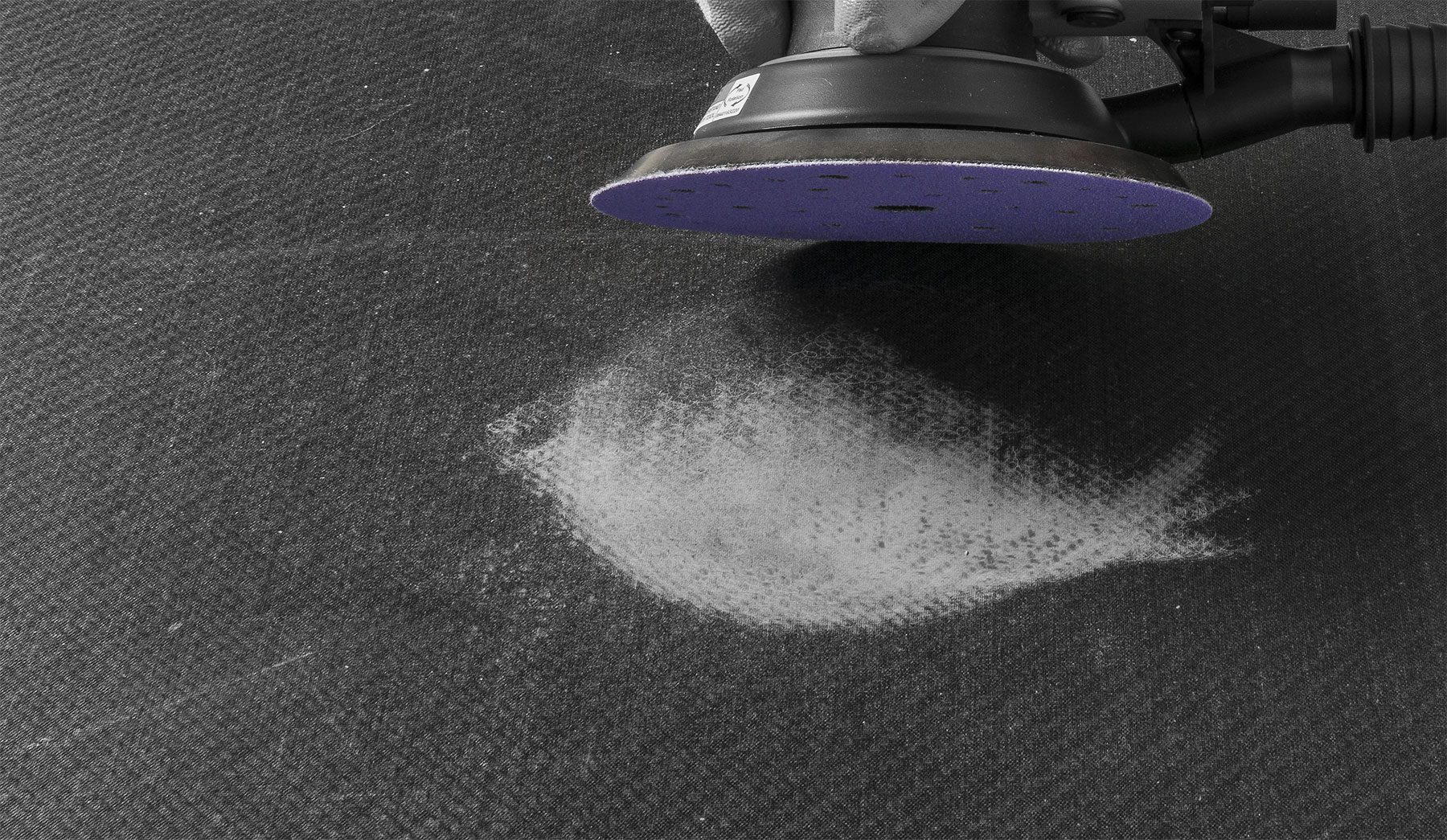
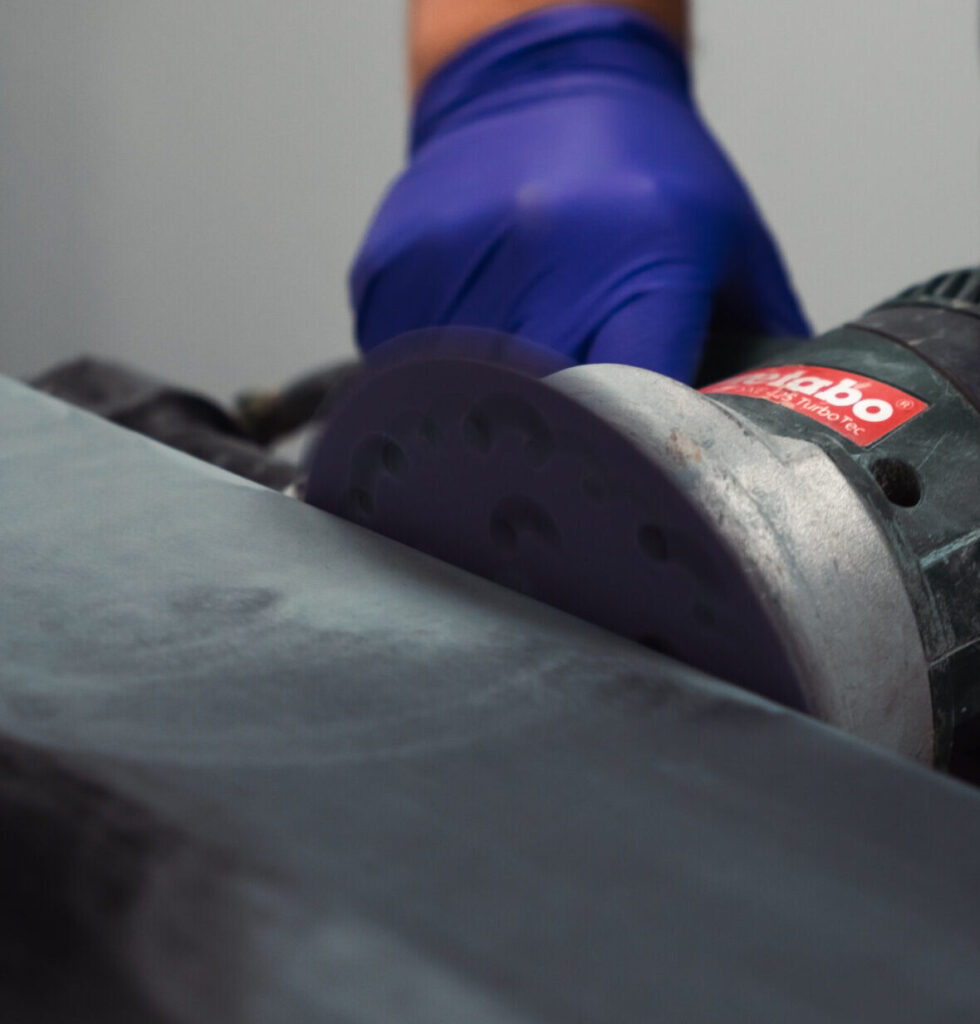
The team begins with mechanical abrasion, working through grades systematically. Each transition is deliberate. The aim is not to remove material aggressively, but to create the correct surface profile for what follows. Dust extraction runs continuously. Contamination at this stage does not show up immediately. It appears in the topcoat, by which point rework has already doubled the cost.
One decision here defines the rest of the process. Is the surface genuinely ready, or does it just look ready? In a well run paintshop, those are never treated as the same question.
Stage Two: Primer Application
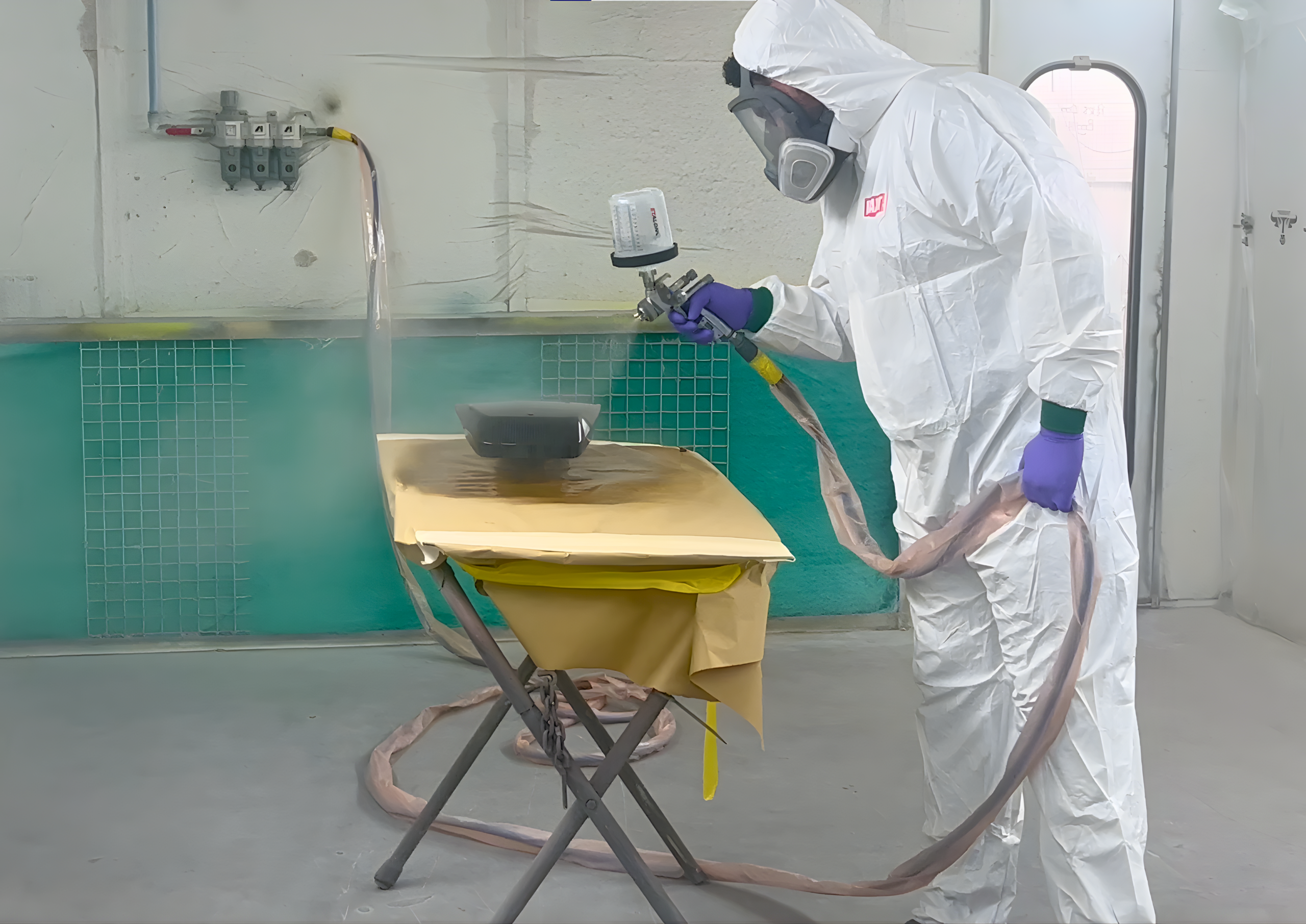
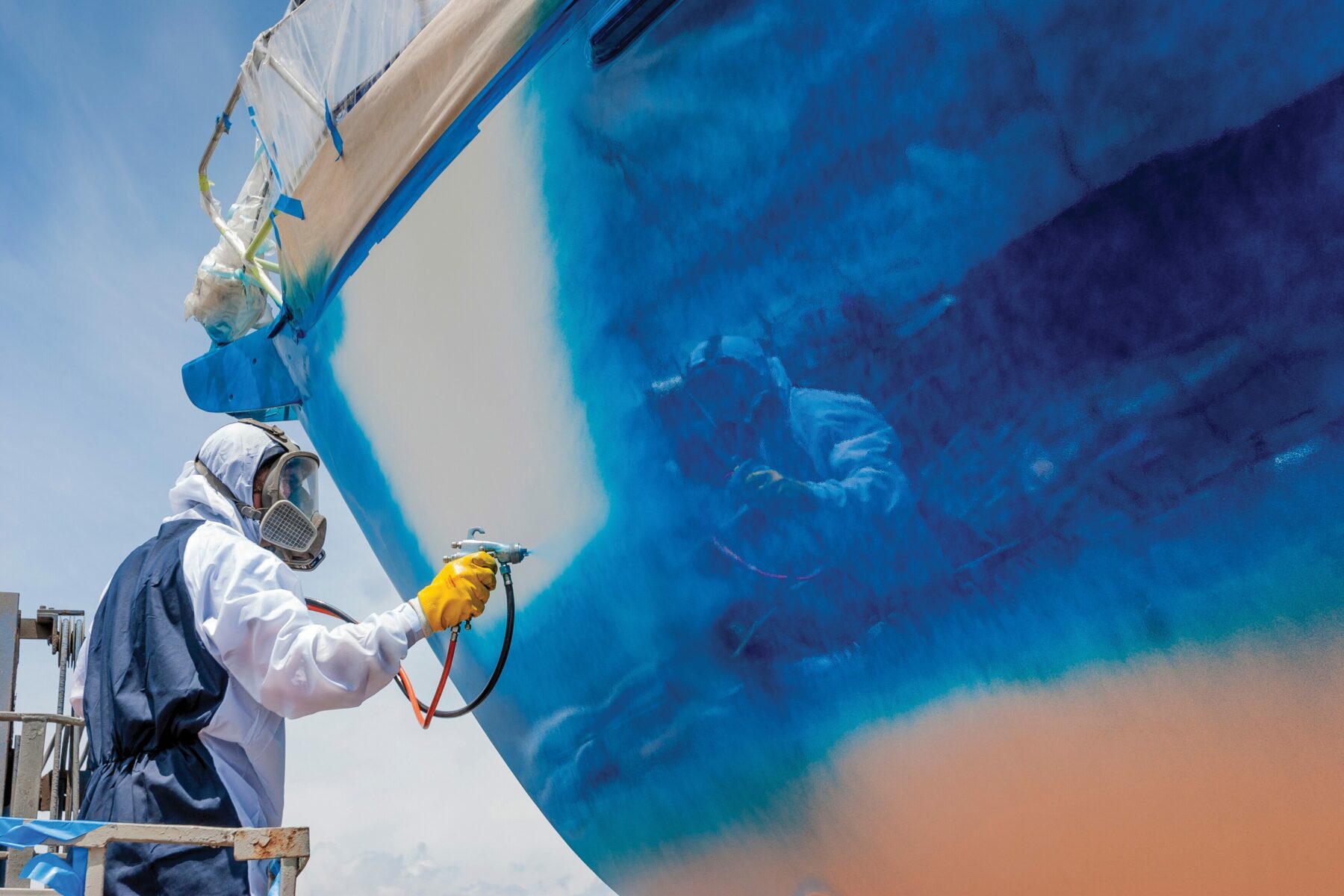
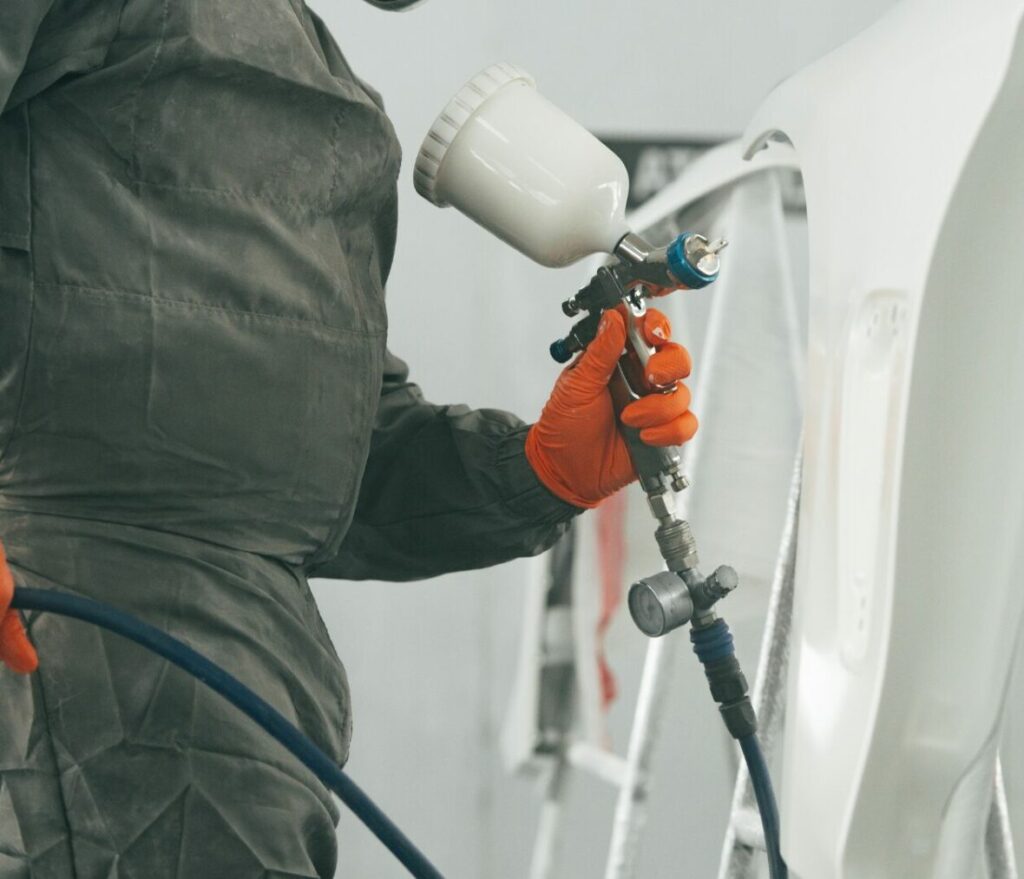
With the hull clean, profiled and dry, the painters move into the spray zone.
Primer selection is not a generic decision. The exposure profile of the vessel, whether coastal, offshore or tropical, determines the system required. Epoxy primers, tie coats and anti-corrosion systems all have defined application windows, pot lives and environmental tolerances.
Applying outside those tolerances does not always produce immediate failure. It shows up months later, offshore, where repair is neither simple nor cheap.
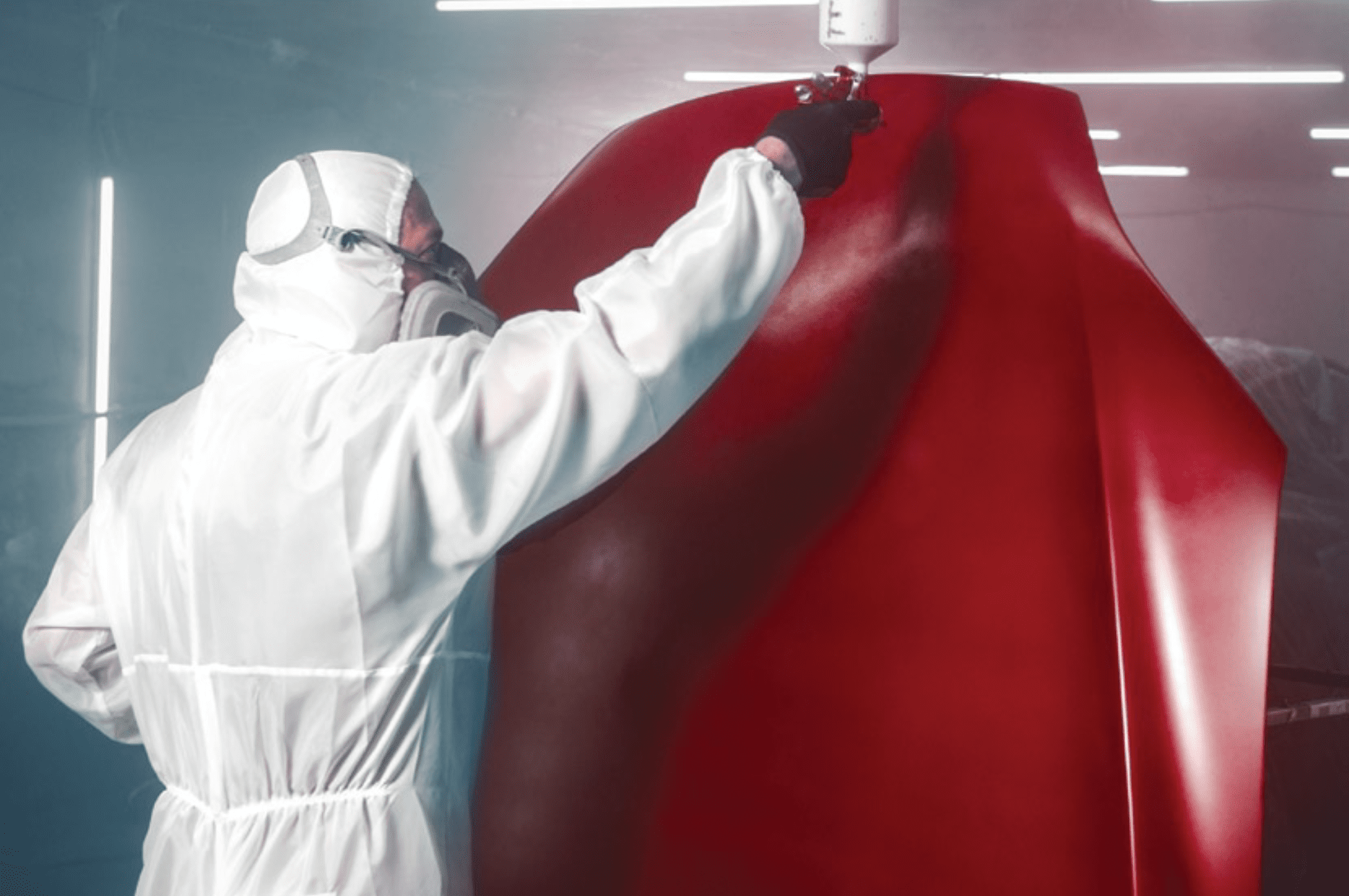
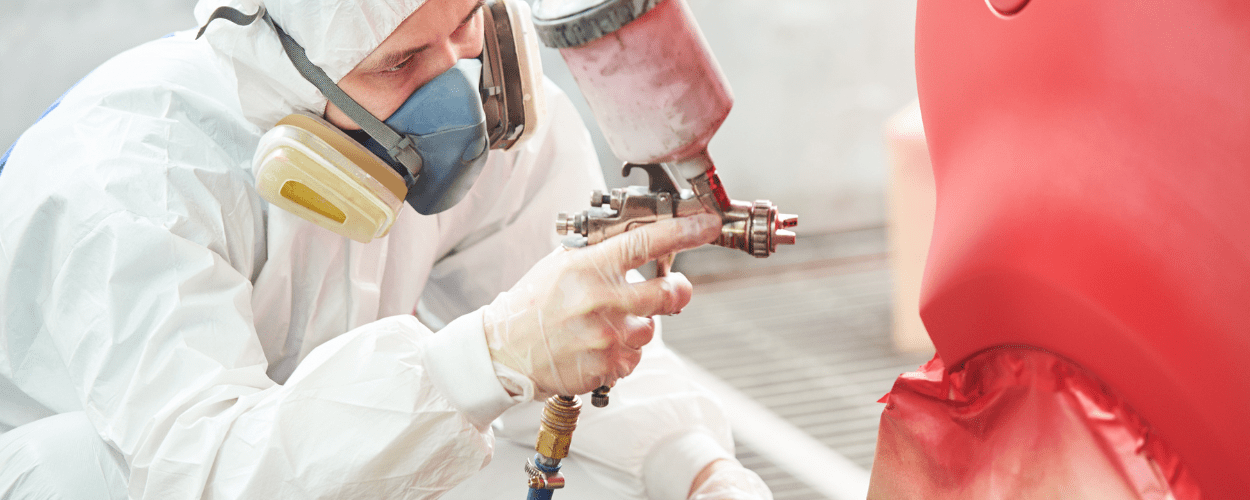
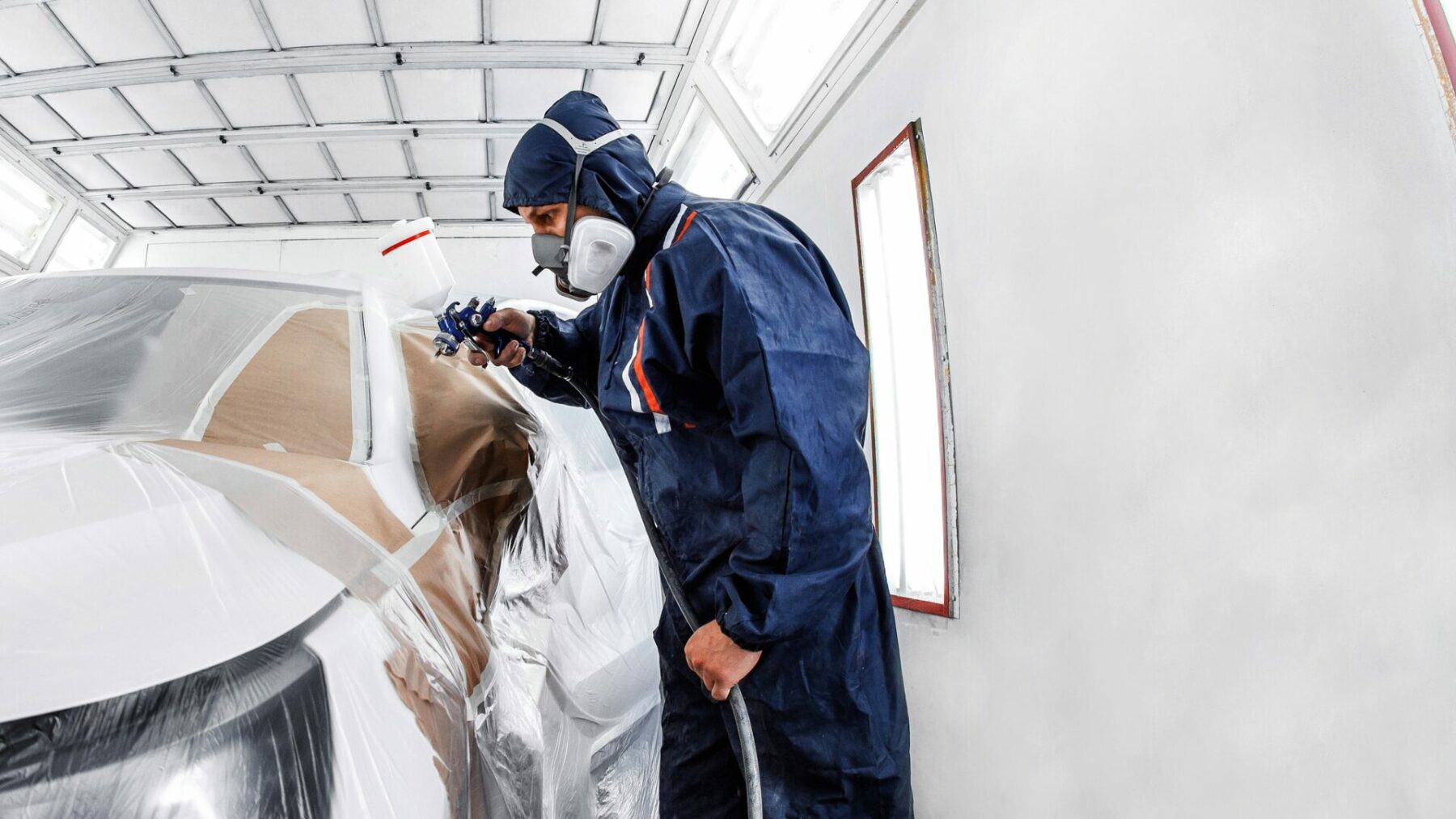
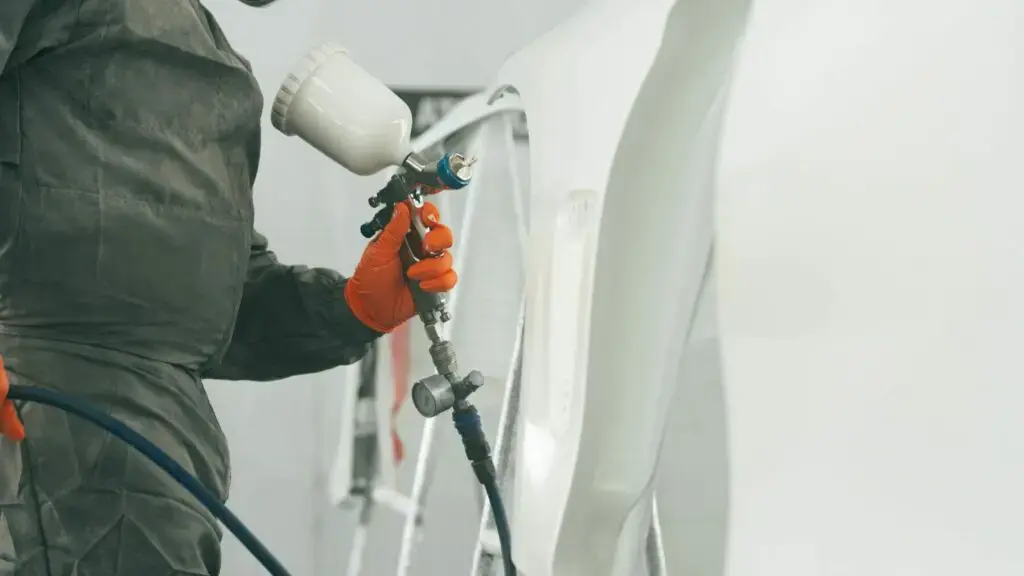
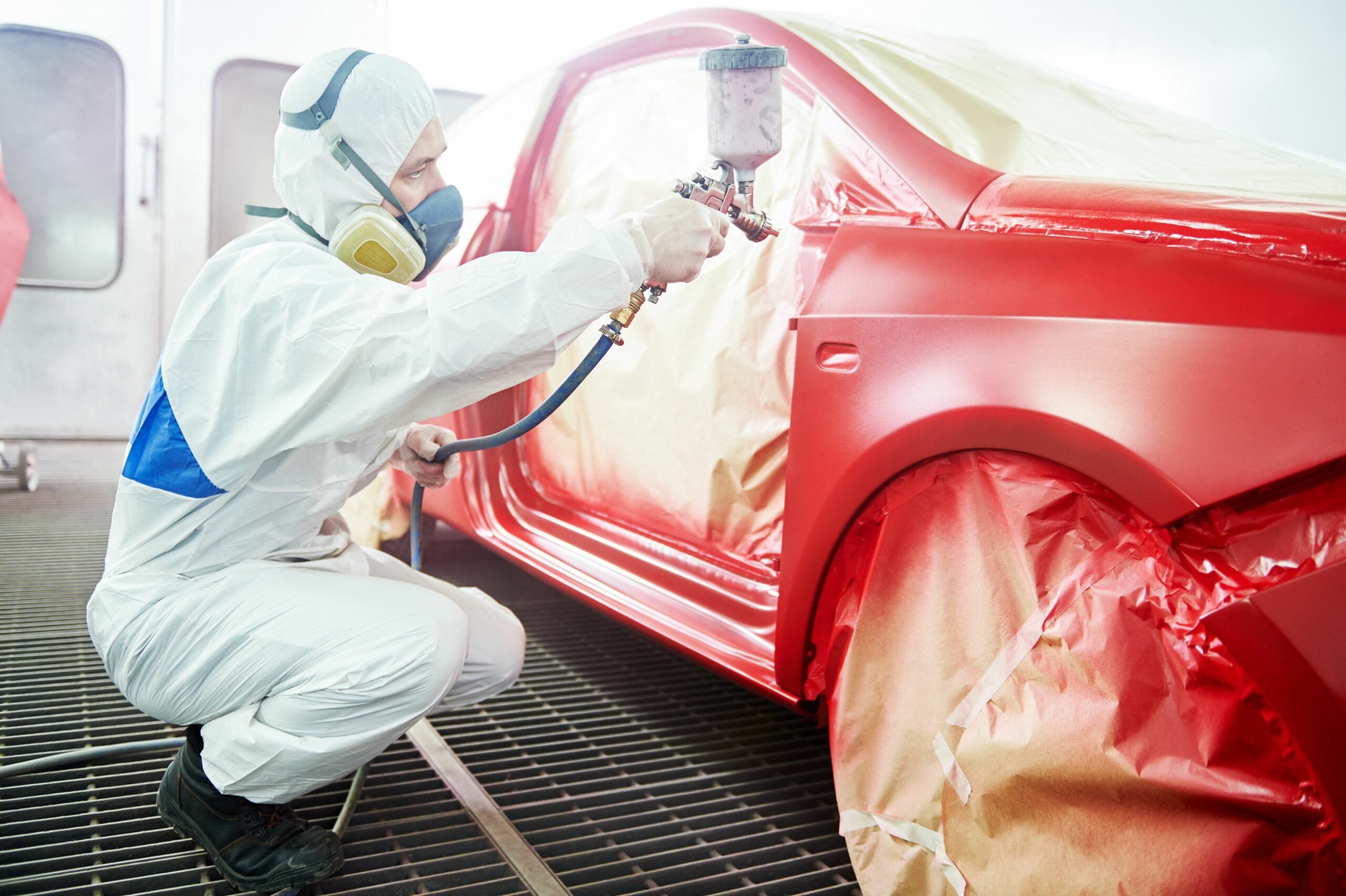
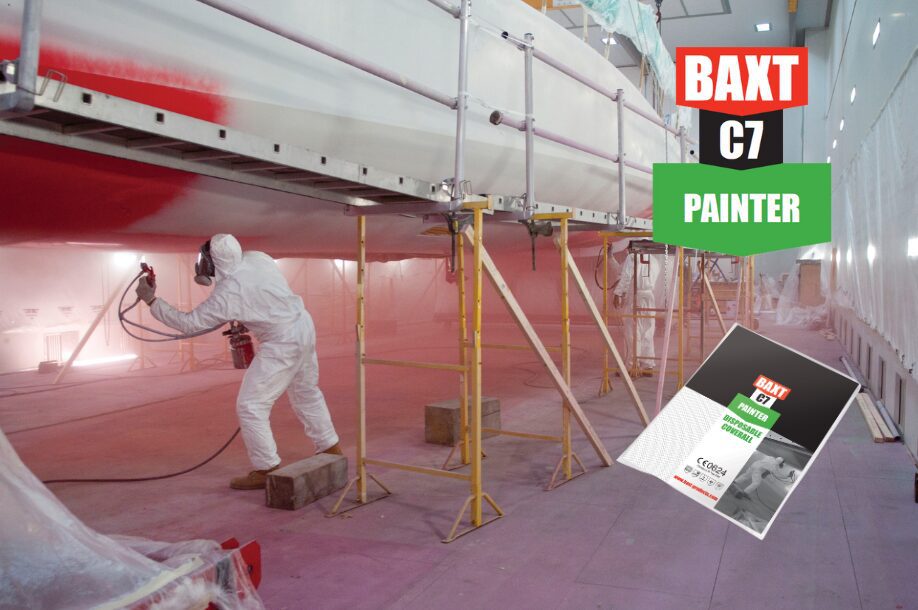
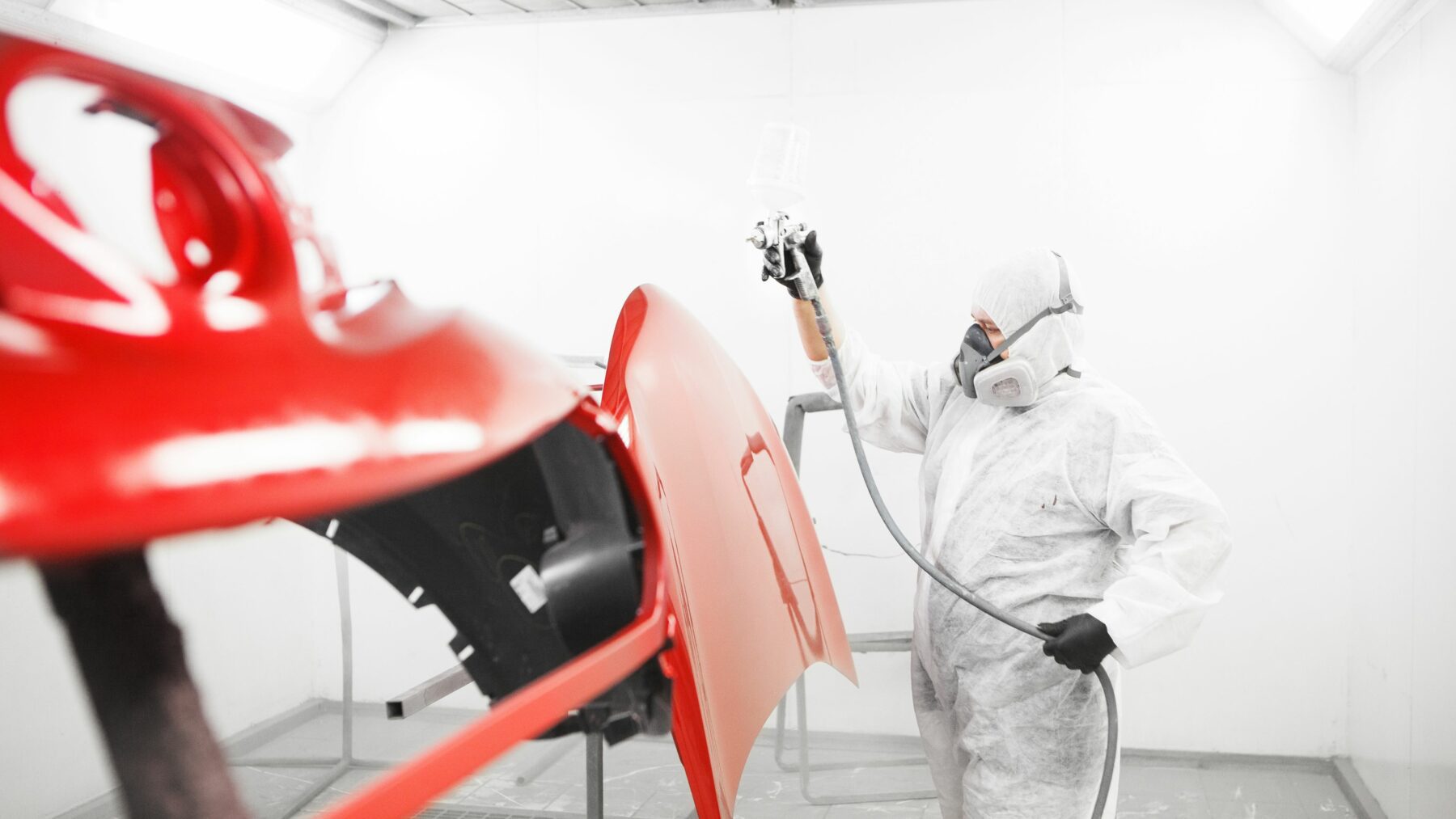
Spray equipment is calibrated before the first pass. Nozzle selection, pressure settings and material viscosity are all confirmed. HVLP application across a superyacht hull requires consistency over large surface areas, often in a continuous workflow. Overlaps, sags and dry spray are not acceptable at this level.
The painters work methodically. Film build must be correct, and cure windows must be respected before the next stage begins.
Stage Three: Filler and Fairing
Superyacht finishing standards operate at a different level to commercial marine work. A hull that would be considered acceptable on a working vessel is rejected here before it gets close to a topcoat.
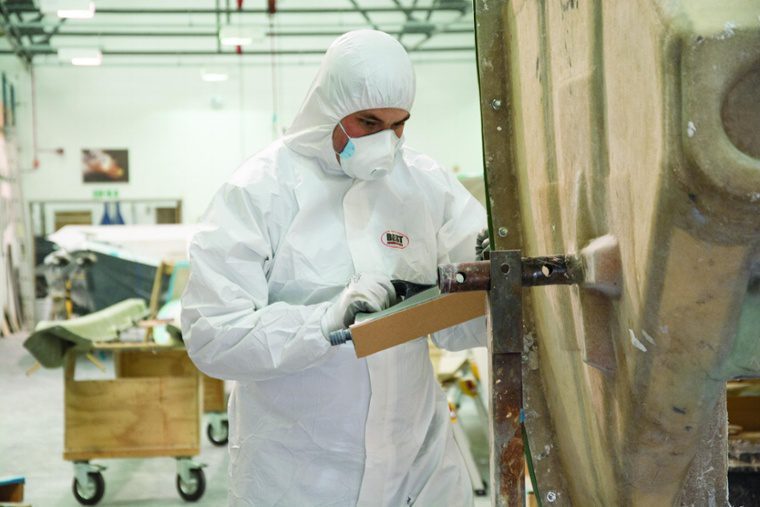
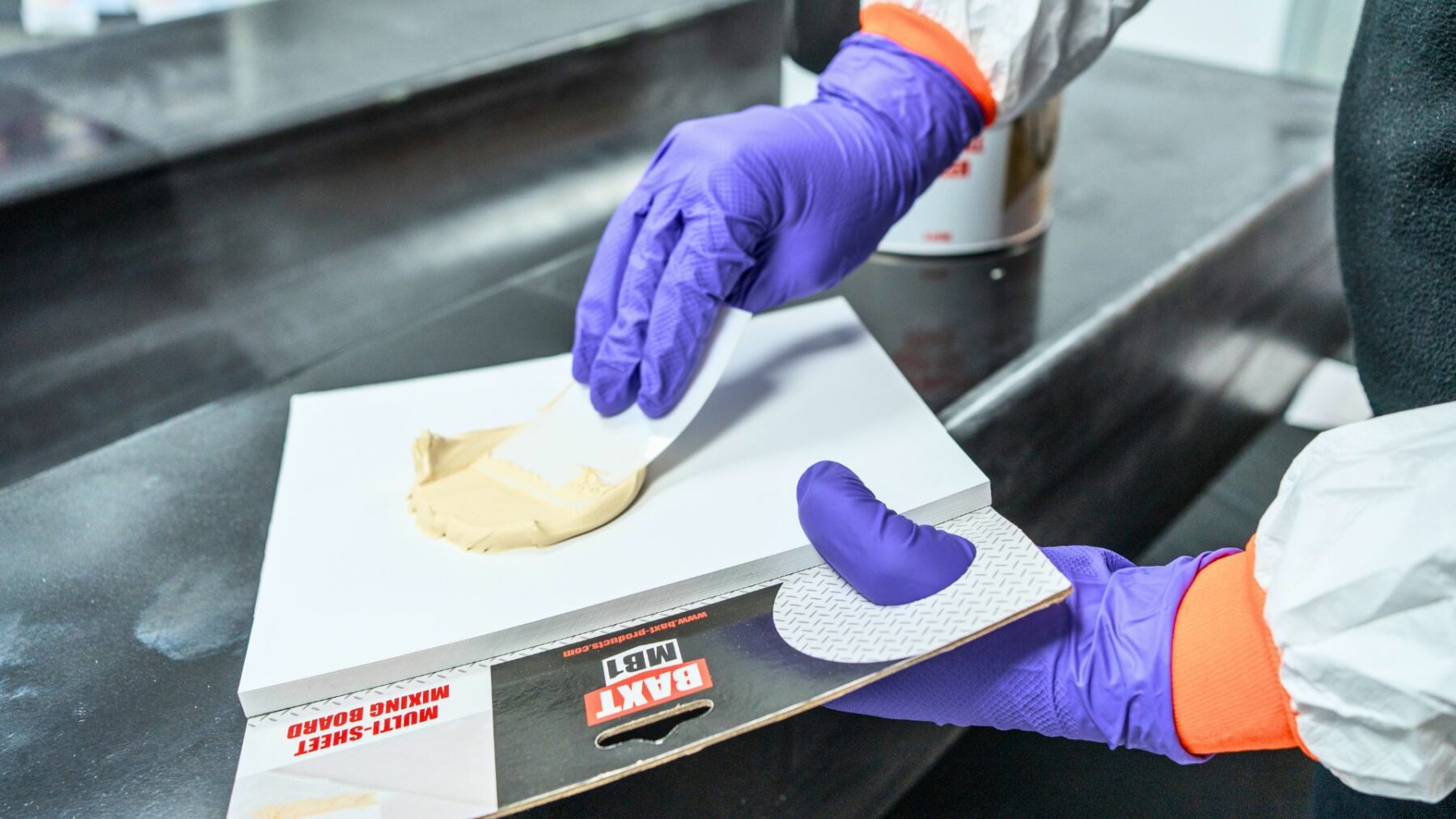
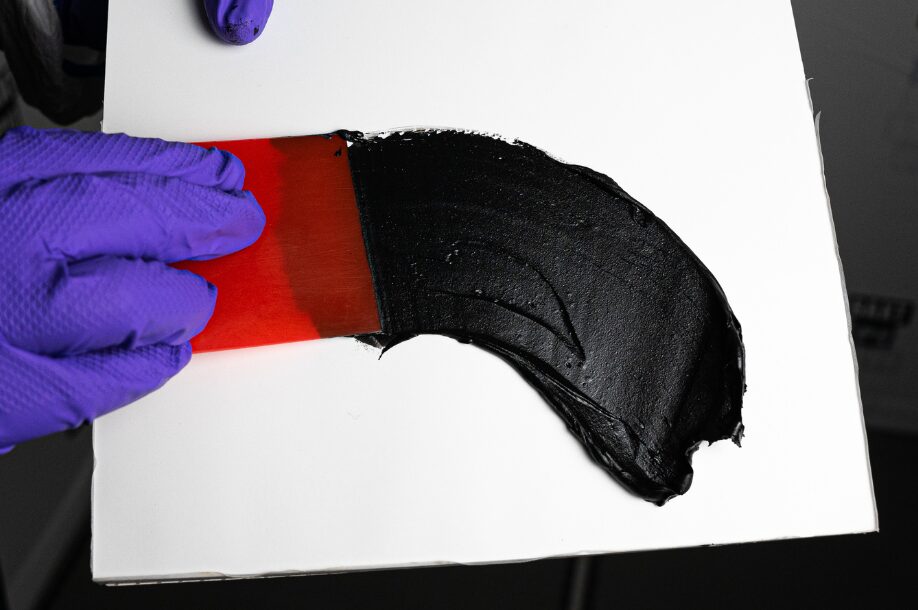
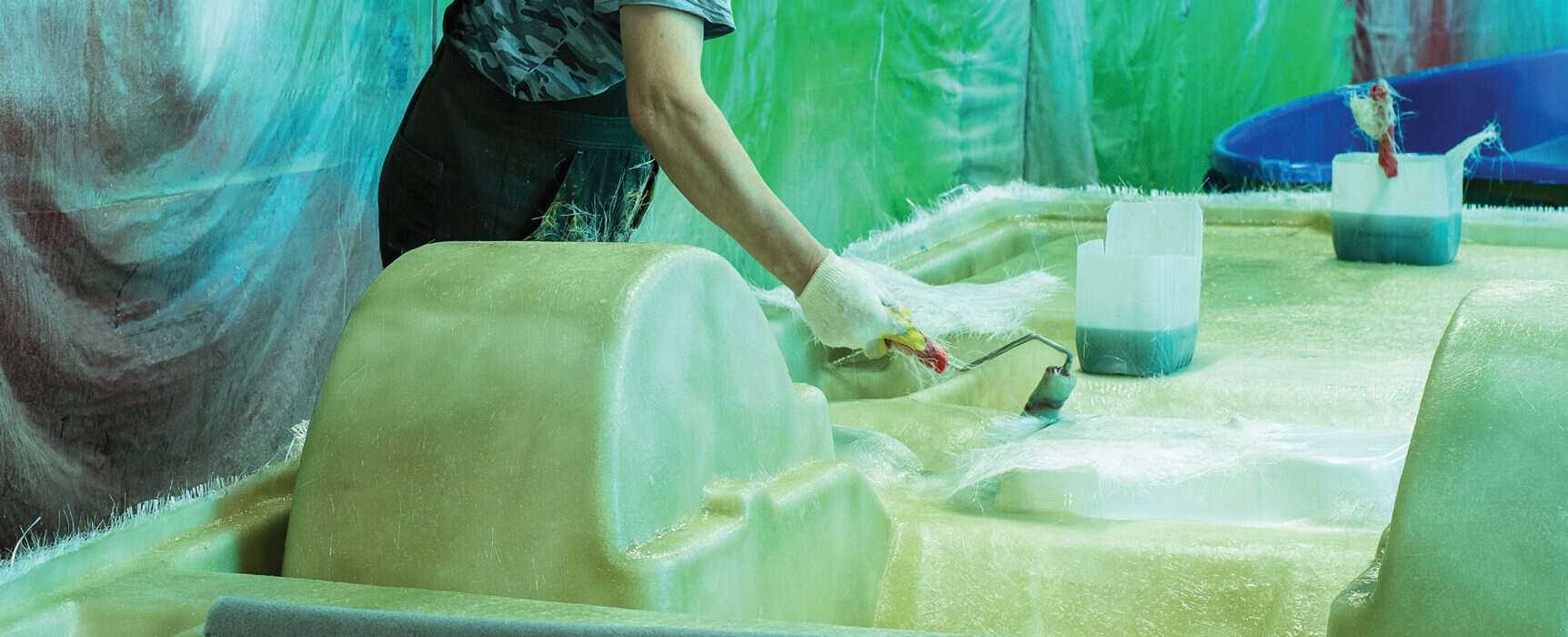
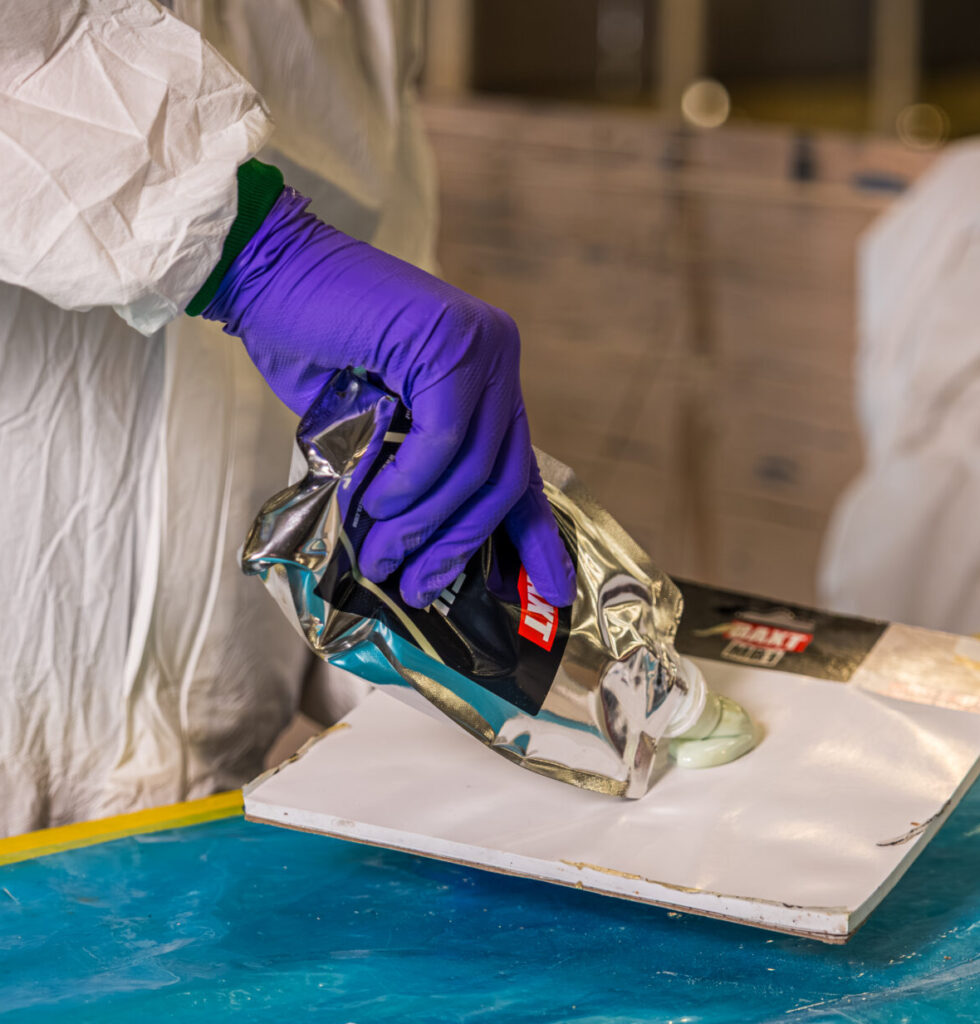
Fairing is where the shape of the hull is refined. Imperfections are filled, contours checked with straight edges and raking light, and guide coats applied to reveal low spots that the eye would otherwise miss. It is slow, technical work, entirely dependent on the quality of the preparation beneath it.
Filler applied over a poorly prepared surface is not a solution. It is a delay.
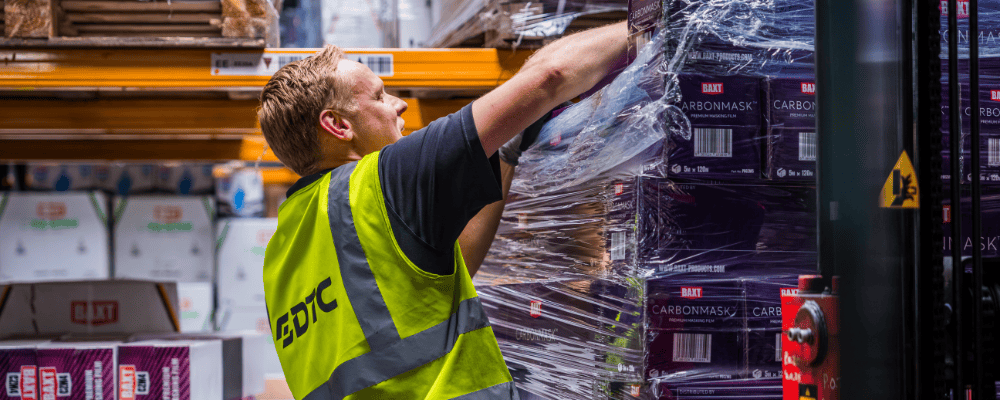
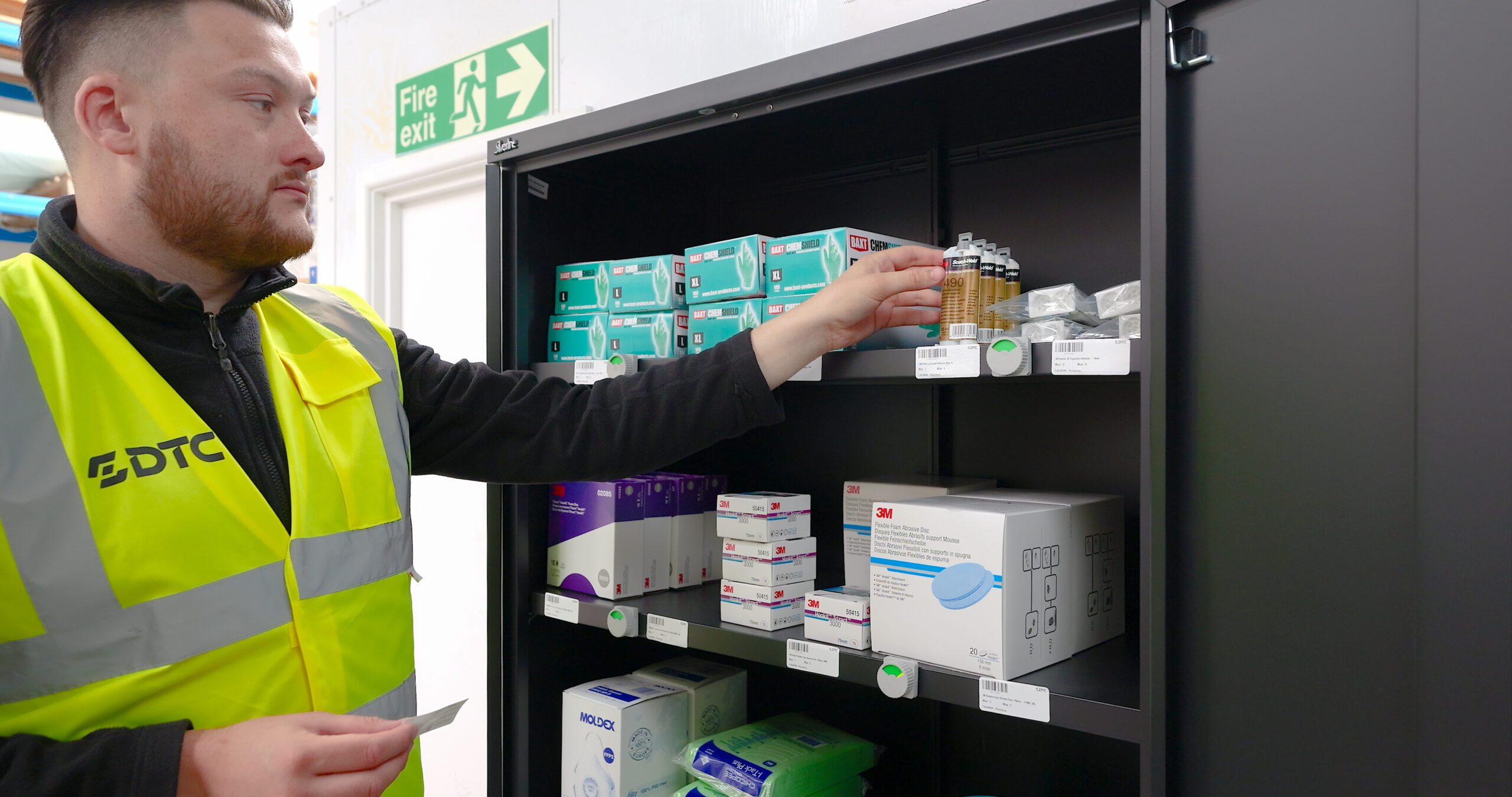
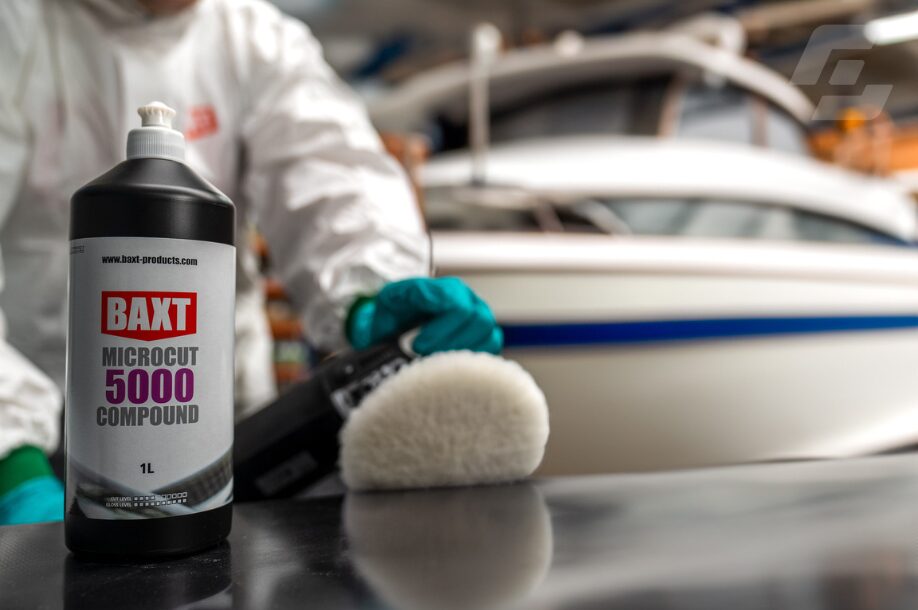
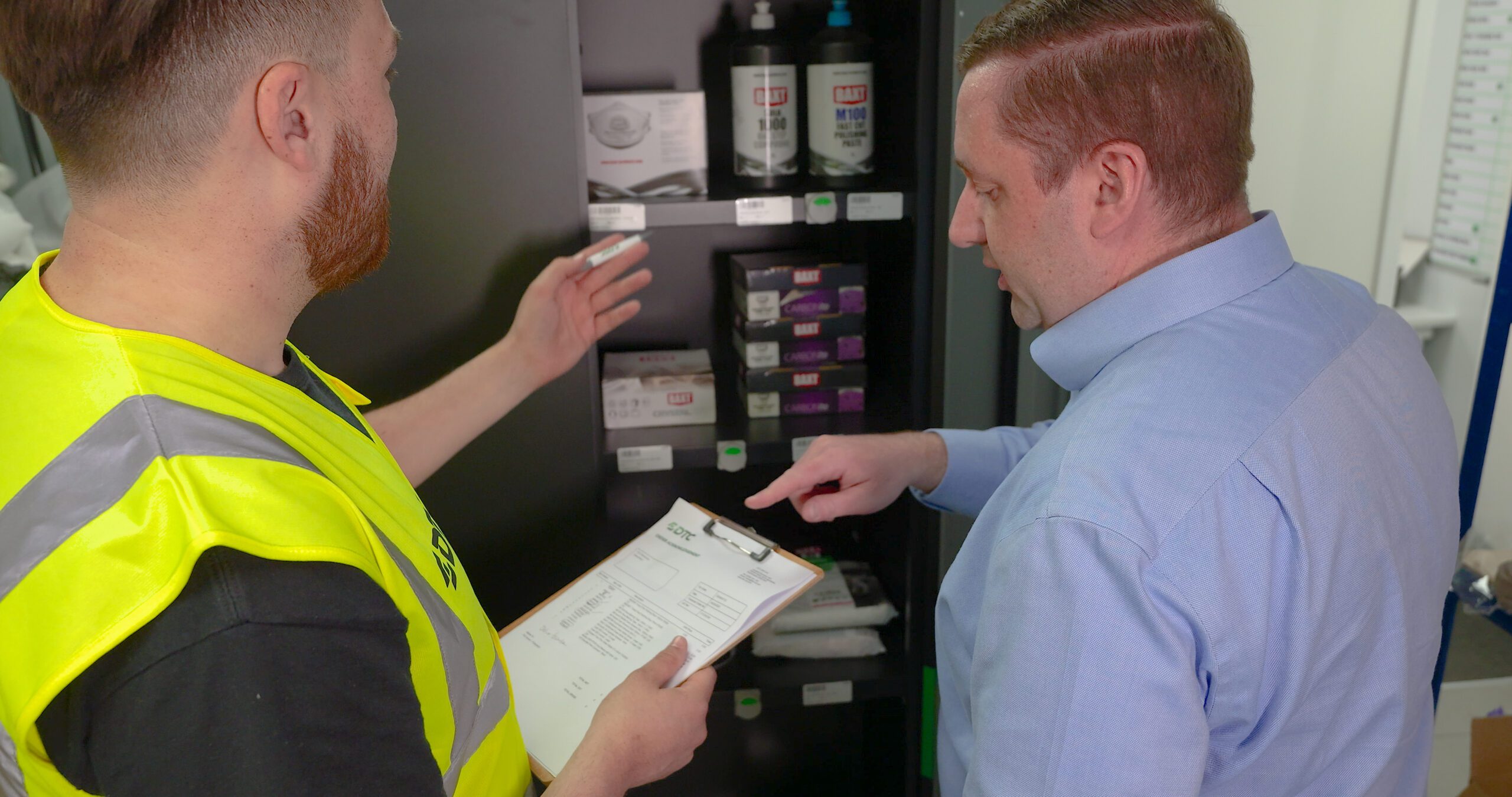
The consumables used at this stage are not interchangeable. A filler system that cures too fast in warm conditions, or too slowly in cooler ones, disrupts the entire schedule. In a high throughput paintshop, one product decision can move a vessel’s completion date.
Stage Four: Topcoat
At this stage, there is nothing left to correct. Only to reveal.
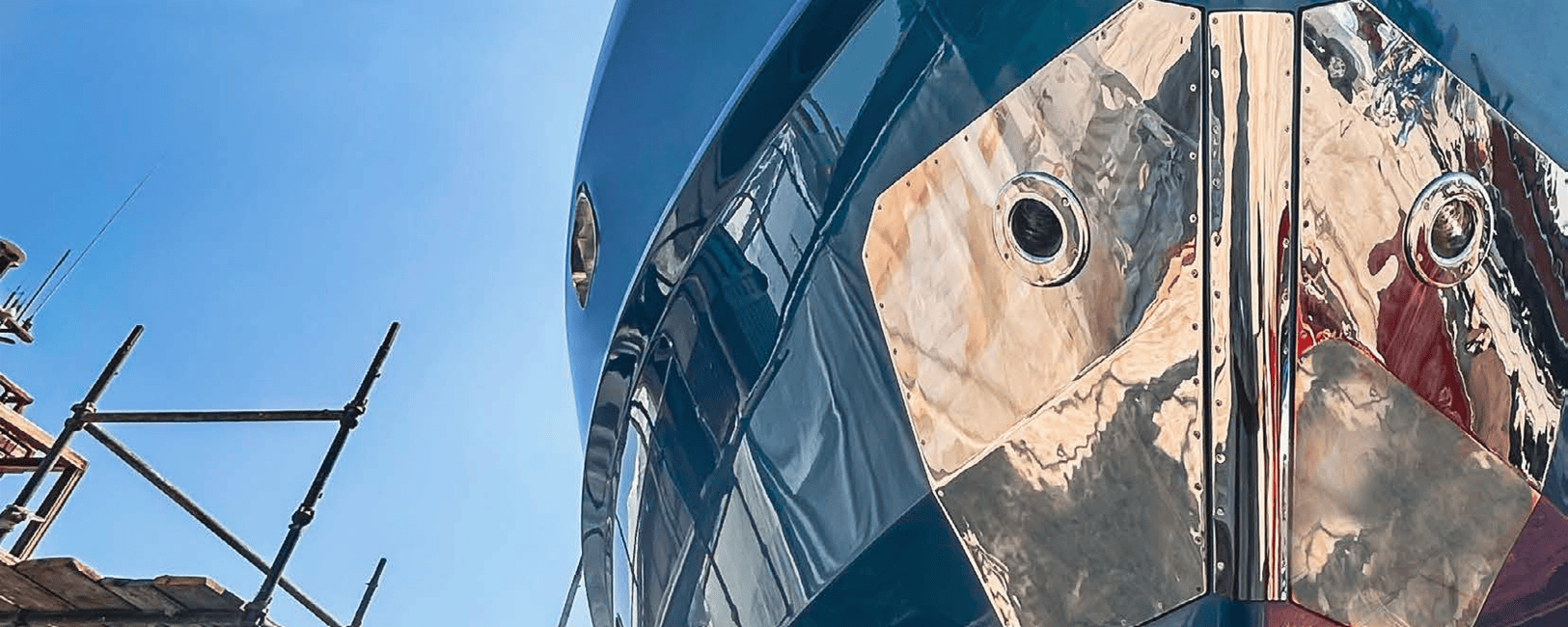
The topcoat exposes everything that came before it. Contamination, poor surface profile, incorrect film build or environmental variation all surface here.
Colour consistency across a superyacht hull is one of the most technically demanding finishes in any coating sector. Large surface areas, complex geometries and the level of client scrutiny leave no margin for error.
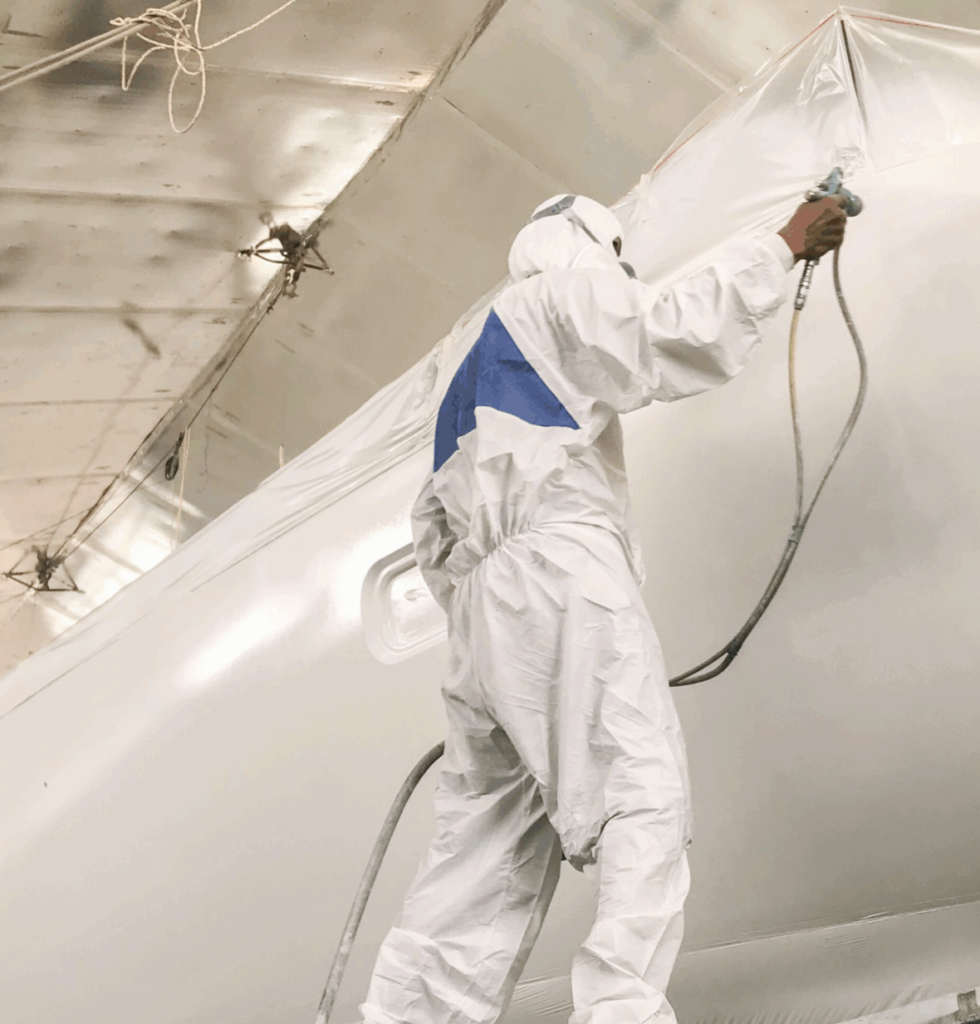
The final coat is applied in controlled passes. Wet film thickness is monitored throughout. The environment remains under constant observation. When the final panel is complete, the team assesses and begins quality checks.
There is no moment of celebration. In a paintshop operating at this level, meeting the standard is simply the expectation.
Why This Matters
A day in a superyacht paintshop is not defined by dramatic moments. It is defined by the accumulation of small decisions made correctly, by people who understand that the process is the product.
The right consumable at the right stage. The right preparation before the right coating. The right environment maintained throughout.
When those things align, the finish holds. When they do not, the cost is never just financial. It is the vessel’s reputation, the yard’s reputation and the standard the industry is judged by.
In a live paintshop, there is no such thing as a minor detail. Only decisions that either hold the standard, or quietly compromise it.