
Has Just in Time had it's day?
Why manufacturers are choosing resilience over pure efficiency, and why the smartest version of that shift looks less like a full warehouse and more like better data.
For years, just-in-time sat at the centre of manufacturing strategy. The goal was simple: keep inventory lean, reduce tied-up cash, and rely on smooth supplier flows. But the latest manufacturing data suggests a quieter shift is underway.
In June, UK manufacturing output reached its highest level since September 2024, even as the wider UK Manufacturing PMI eased from its May level. The two moved in opposite directions because the headline PMI blends several measures, while output alone climbed on the back of stockpiling. Manufacturers were benefiting from clients building stock ahead of expected price rises and potential supply chain disruptions, which changes how the whole industry thinks about inventory.
That turns inventory from a cost problem into an insurance decision. The question is no longer simply how little stock can we hold. It is becoming what can we not afford to run out of.

Not the death of lean, but the end of lean alone
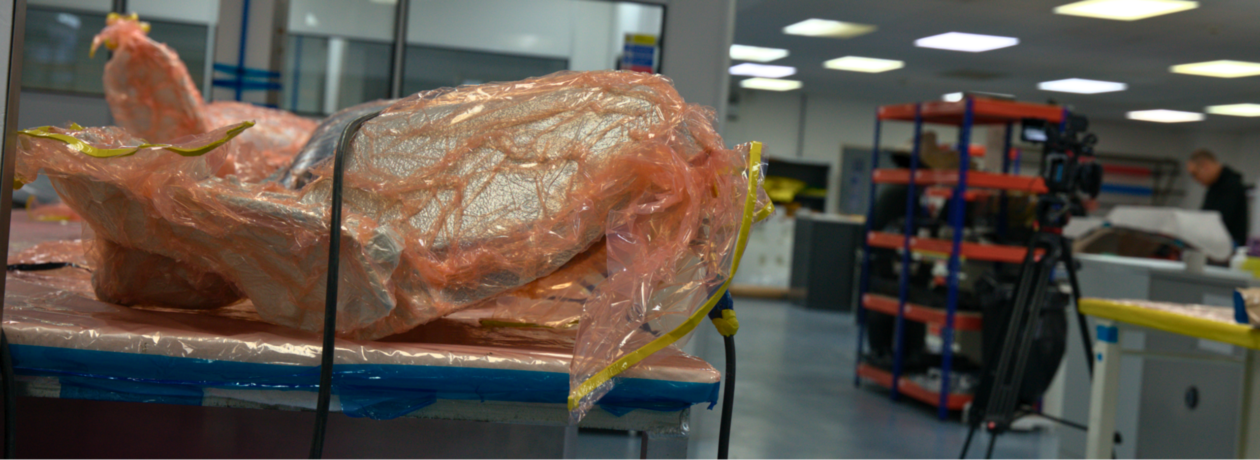
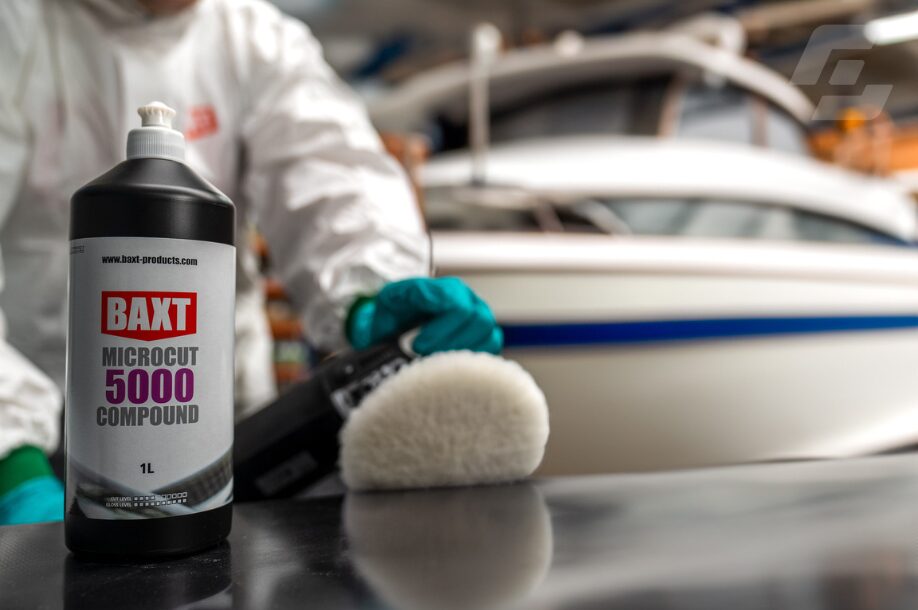
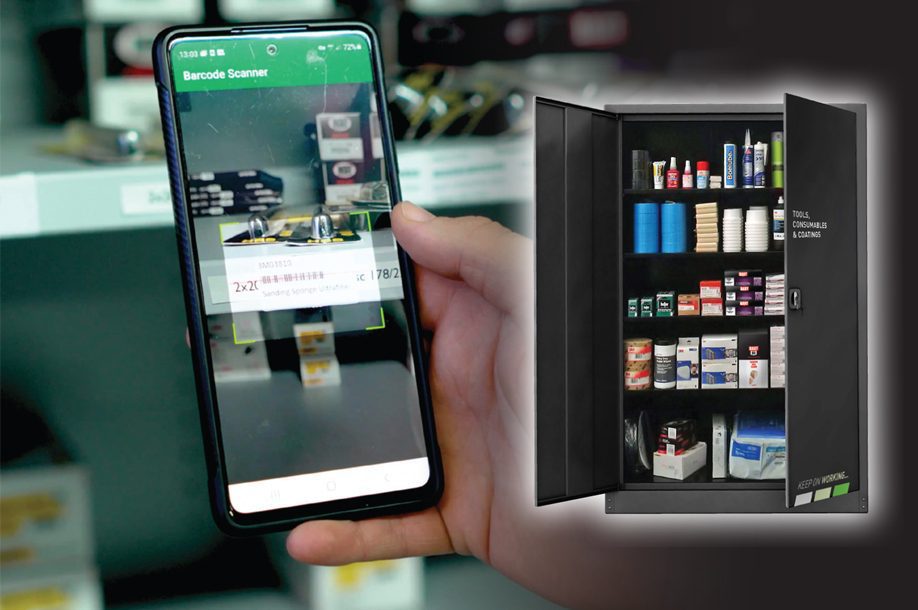
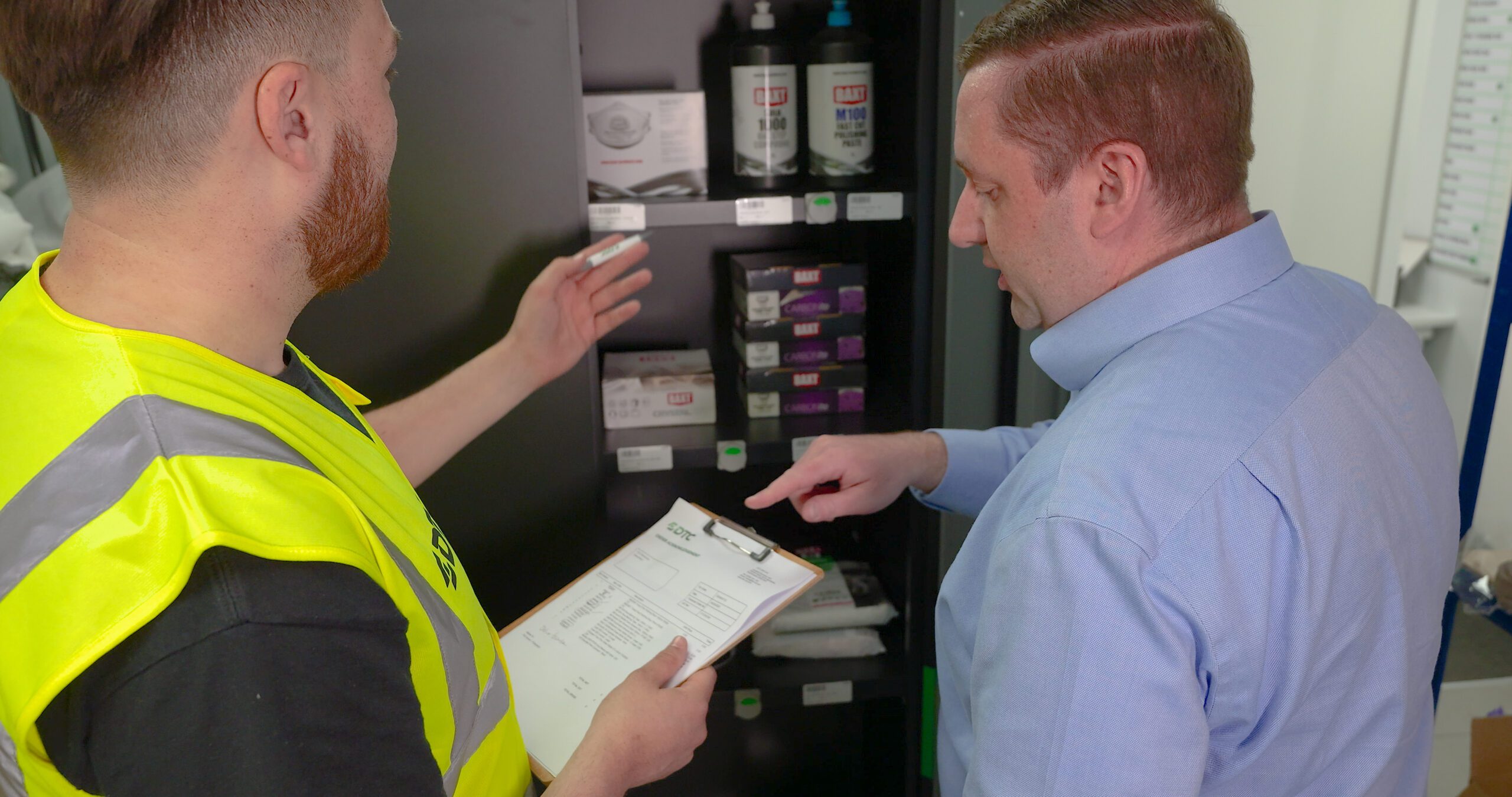
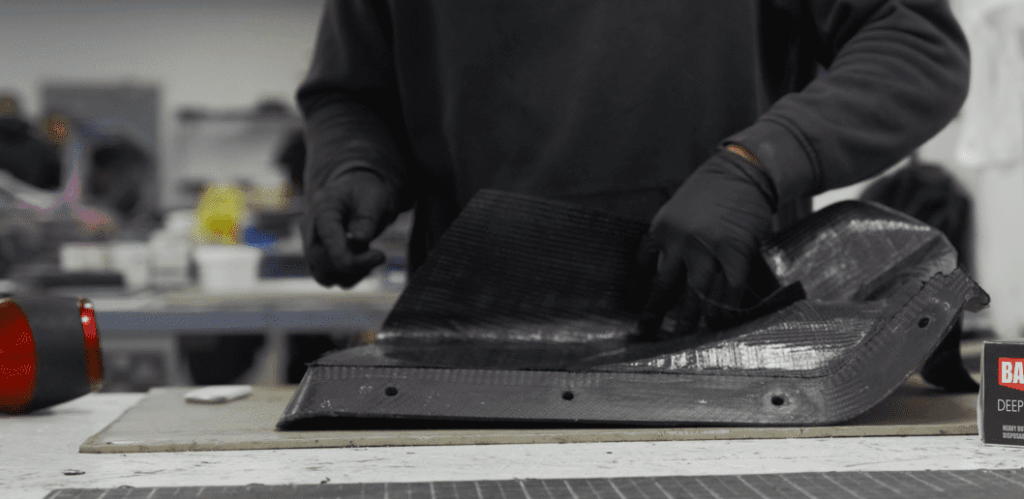
The swing back is not a complete rejection of lean thinking. More likely, manufacturers are moving towards a hybrid model: just-in-time for predictable lines, and just-in-case for critical materials, components, and consumables that can stop work when missing. On a finishing or composite shop floor, that might mean the abrasives, coatings, resins, or bagging films a job simply cannot proceed without. A recent UK Government foresight report describes supply chains moving from pure just-in-time towards hybrid resilience models, with safety stock, supplier diversification, risk mapping, and digital visibility all playing a larger role.
“ Resilience without visibility
can quickly become waste. ”
What it means for the production floor
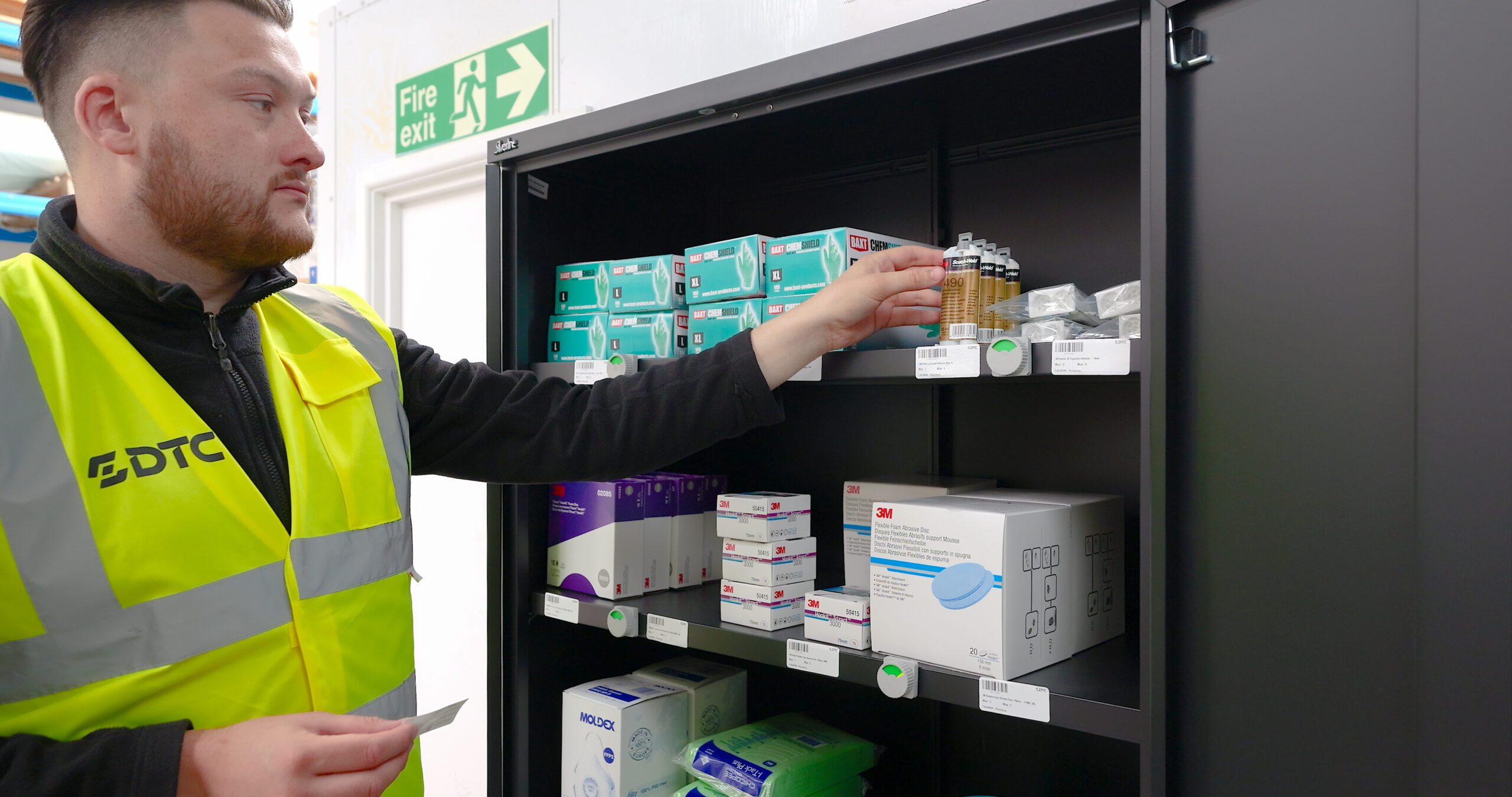
For production teams, the question is practical. Carrying more stock can protect throughput, but only if it is controlled properly. Otherwise, businesses risk tying up cash in the wrong items, holding expired stock, duplicating purchases, and filling stores with materials that do not solve the real bottleneck. Resilience without visibility can quickly become waste.

What it means for procurement
For procurement teams, the shift changes what value means. Lowest price still matters, but it is no longer the only measure. Supplier reliability, availability, delivery confidence, and the ability to respond quickly now weigh just as heavily. A slightly higher unit cost can become easier to justify if it prevents downtime, rework, or a missed production window.
The real change is data not shelves
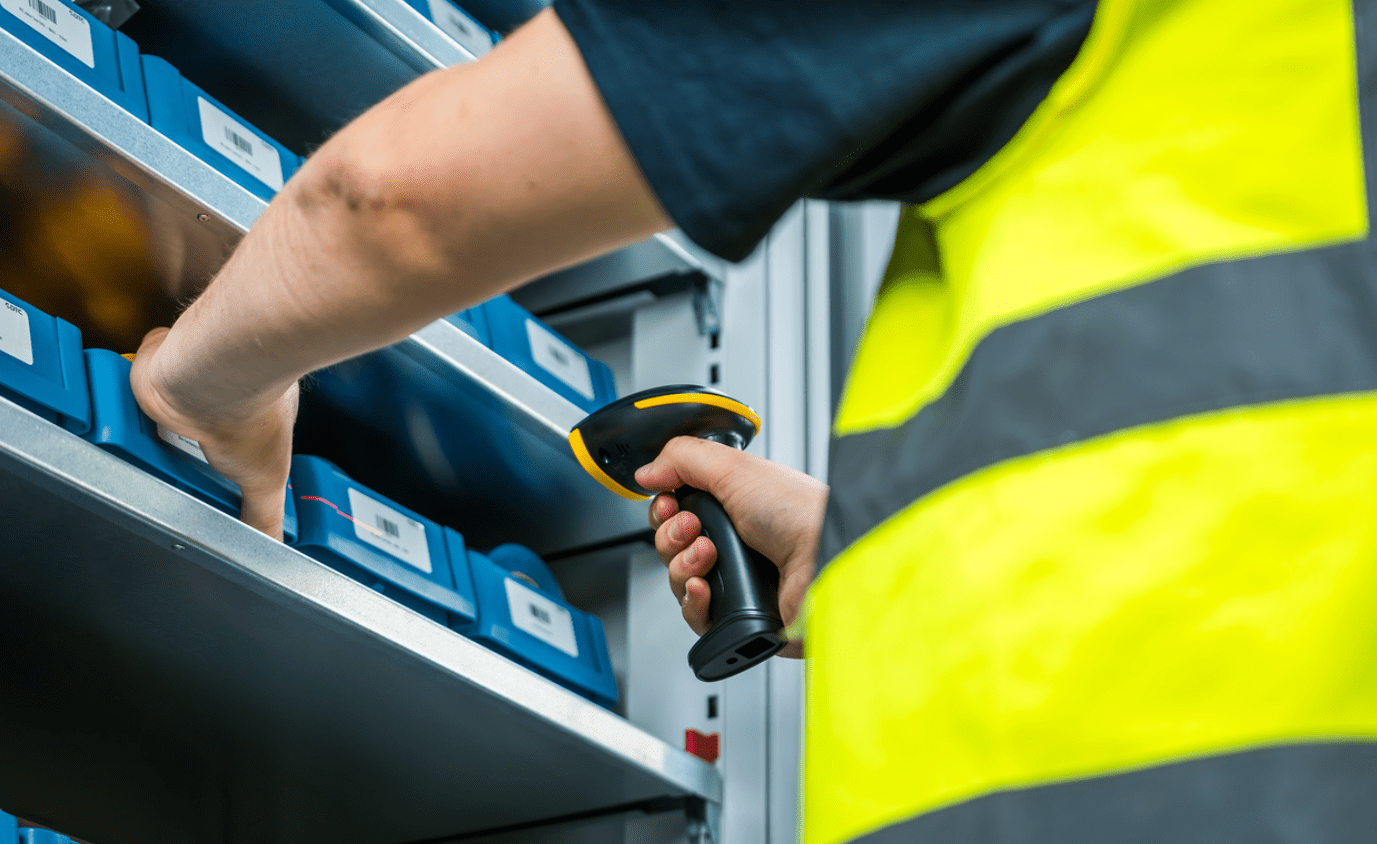
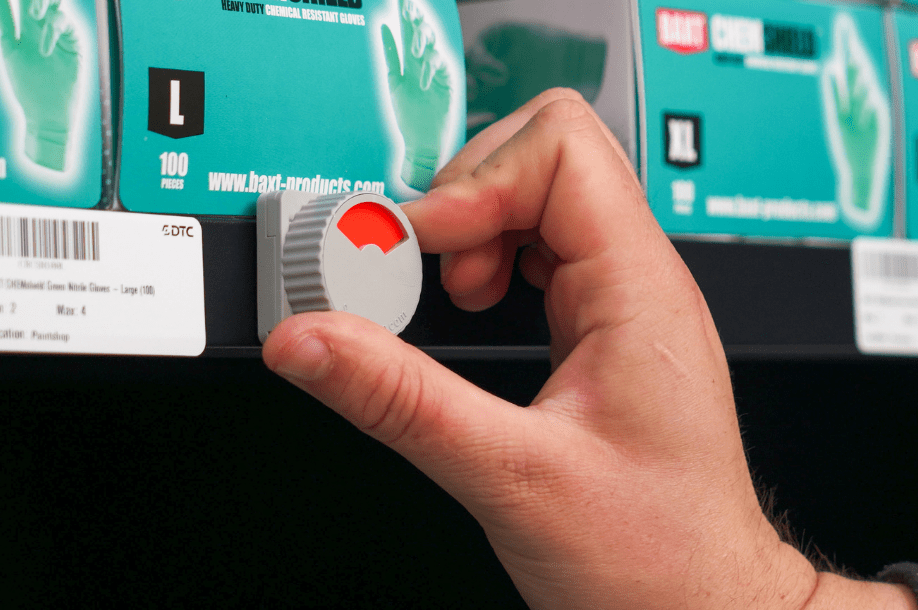
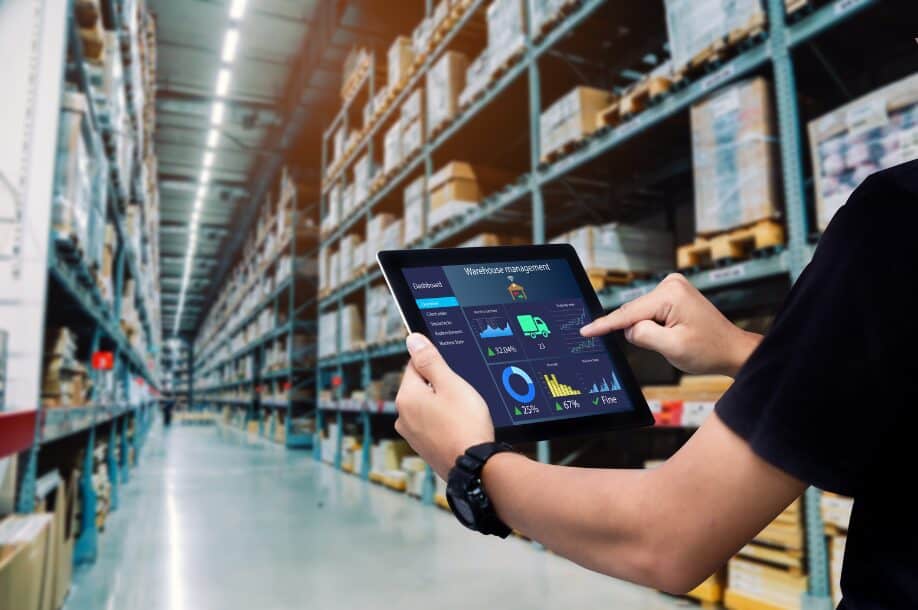
The return of just-in-case may not look like rows of overstocked shelves. It may look like better data. Knowing which items are genuinely critical, which suppliers carry risk, and which parts are being consumed faster than expected gives manufacturers more control than blanket stockpiling ever could.
So has just in time had its day? Not entirely. But the version of manufacturing built around perfect conditions is under pressure. In a market shaped by shipping disruption, rising costs, and geopolitical uncertainty, the winning approach may be less about holding the least stock possible and more about knowing exactly where resilience is worth paying for.