


Aerospace Composite Sanding, Finishing & Surface Prep: A Buying Guide
Aerospace Composite and Sanding Guide: TL;DR
Aerospace composite finishing needs a staged abrasive approach: coarse grit (P40-P80) for shaping and stock removal, mid grit (P120-P320) for surface levelling, and fine grit (P400-P2000+) for pre-coat and polish finishing.
Carbon fibre wears out standard GRP abrasives quickly – use a purpose-built carbon fibre range (e.g. BAXT CARBONite) rather than a general-purpose disc.
For Roloc quick-change discs, 3M remains the aerospace-standard brand; BAXT Crystal Cut ceramic Roloc-compatible discs are a strong lower-cost alternative for high-volume shaping and trimming.
BAXT CARBONtak is DTC’s dedicated carbon fibre tape/adhesive product for temporarily securing dry fibre and prepreg before vacuum bagging, compatible with epoxy, vinyl ester and polyester resin systems.
BAXT CARBONfinish compound is specifically developed for carbon fibre and composite surfaces. It delivers a refind, high-clarity finish on exposed weave.
Composite turbine components (wind and aeroengine) follow similar grit progressions to aerostructure composites but generally need tougher, ceramic-blend abrasives for epoxy laminates.
MRO facilities and production lines with continuous consumable demand reduce downtime and admin by moving finishing consumables onto a Vendor Managed Inventory (VMI) programme rather than reactive ordering.
Why Composite Finishing Is Different in Aerospace
Aerospace composite components carry tighter tolerances, harder resin systems, and stricter traceability requirements than composites used in most other industries. A component that fails a surface inspection, delaminates from over-aggressive sanding, or is finished with an undocumented consumable can hold up an entire production batch or ground an aircraft. That makes abrasive selection, grit progression and consumable supply a specification decision, not just a purchasing one.
This guide is written for buyers and technical leads sourcing sanding, finishing and surface prep consumables for aerospace composite manufacturing and MRO: production engineers specifying abrasive ranges, procurement teams comparing brands like 3M, Mirka and BAXT, and operations managers deciding whether reactive ordering or Vendor Managed Inventory (VMI) is the right supply model for a facility with continuous consumable demand.
The Aerospace Composite Finishing Process
Composite parts move through three stages before they leave the shop floor, and the finishing requirement changes at each one.
-
The Pattern and Tool
Before a component is produced, a pattern (plug/master) is used to create the mould, or tool. Both need to be sanded and polished to a high standard: any imperfection in the tool is transferred onto every component it produces. This stage typically starts around P80-P120 for shaping and progresses to P400+ for a high-gloss tool finish.
-
The Laminate
Once cured, the composite laminate – whether hand-laid, vacuum infused or prepreg – needs edge trimming, deburring and surface preparation before assembly, bonding or coating. This is where roloc discs, cutting discs and coarse-grit sanding discs do most of the work.
-
The Finished Component
The final finishing pass removes fibre print-through, blends repairs, and prepares the surface for primer, paint or bonding. This stage relies on fine-grit film discs, sponge discs and finishing compounds to achieve the surface quality aerospace specifications demand.
How to Choose Abrasives for Composite Sanding
Grit selection is the single biggest factor in finish quality and consumable spend. Starting too fine wastes time; starting too coarse creates scratch patterns that telegraph through primer and paint, forcing rework. Use the table below as a starting framework and adjust based on resin type – harder resins such as epoxy generally need a tougher, longer-wearing abrasive than polyester gelcoat.
| Stage | Grit Range | Purpose | Recommended Format |
| Heavy stock removal | P40 – P80 | Mould/pattern shaping, defect removal, gross material removal | Velcro disc / belt |
| Shaping & repair blending | P120 – P220 | Feather-edging repairs, initial surface levelling | Velcro disc / strip |
| Surface levelling | P240 – P400 | Primer/filler levelling, pre-finish preparation | Velcro or film disc |
| Pre-coat finishing | P500 – P800 | Final sand before primer or paint, wet sanding between coats | Film disc |
| Polish preparation | P1000 – P2000 | Colour-sanding, defect removal, denibbing before polish | Film disc / sponge |
Disc, Film, Sponge or Net: Which Format?
- Velcro (hook-and-loop) discs – the aerospace workhorse for machine sanding; fast disc changes and available across the full grit range.
- Film discs – polyester-backed for a flat, even abrasive surface; used for polishing and blending in fine grits (P500-P2000) and last roughly three times longer than paper-backed equivalents.
- Sponge discs – conform to curves, radii and contoured surfaces without leaving pressure marks; usable wet or dry.
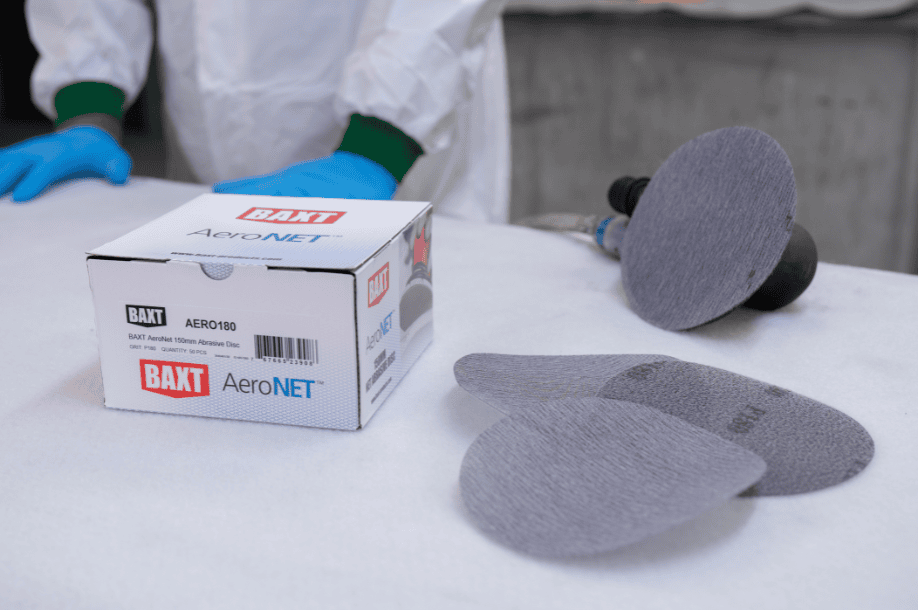
- Net/mesh discs – open structure for maximum dust extraction efficiency; recommended wherever a dust extractor and backup pad are already in use.
BAXT Abrasives: The Aerospace-Grade Finishing Range
BAXT is DTC’s owned brand, created in-house for surface finishing and PPE, and used across automotive, marine, composites and aerospace. Every BAXT sanding product carries an anti-clogging coating designed to resist dust and pill formation – the main cause of premature disc failure on composite laminates – which keeps the cut rate consistent for longer and reduces consumable spend per component.
| Product | Format | Grit Range | Best For |
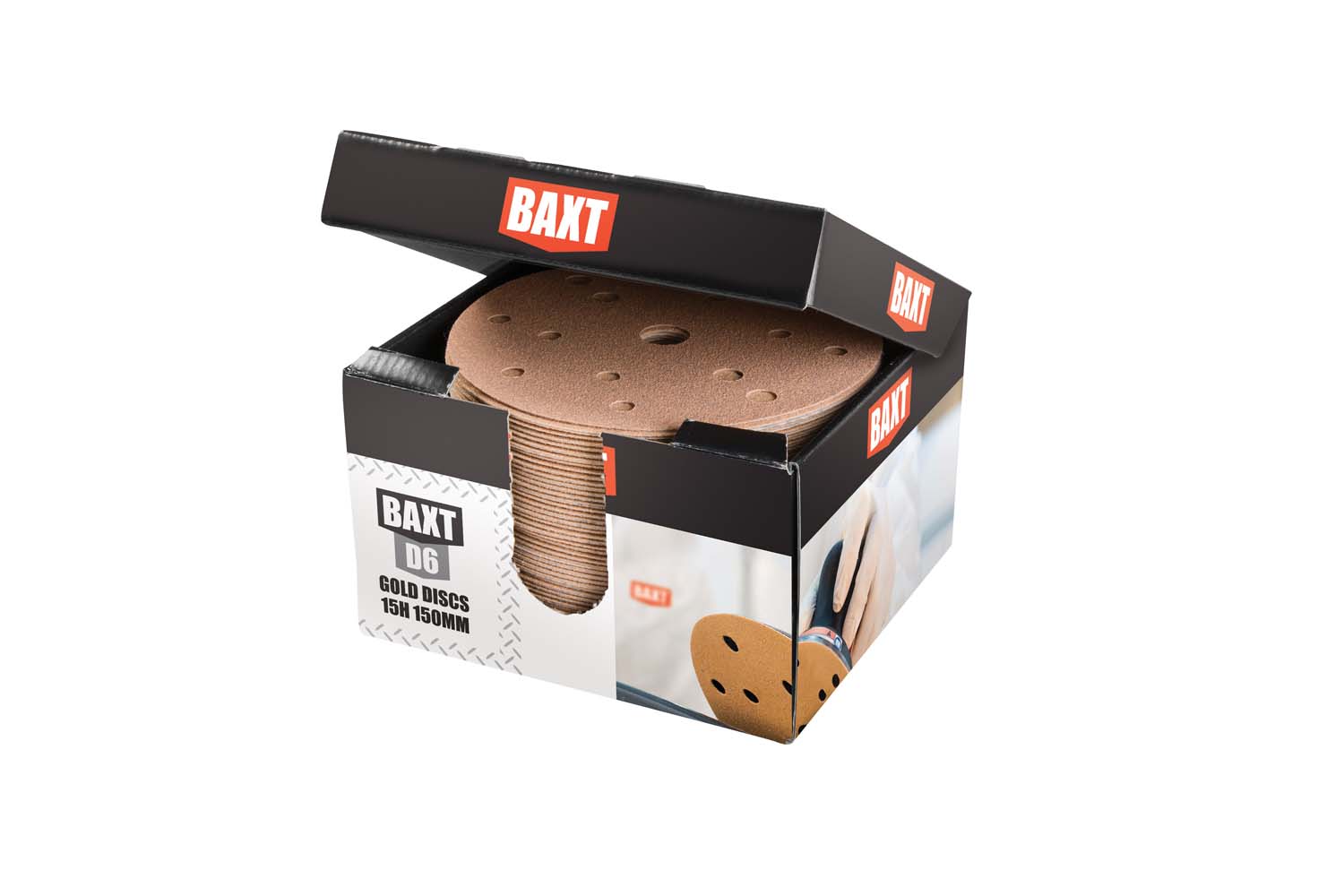
| BAXT D6 | Velcro disc, 15-hole | P40 – P1000 | General-purpose composite & gelcoat sanding |
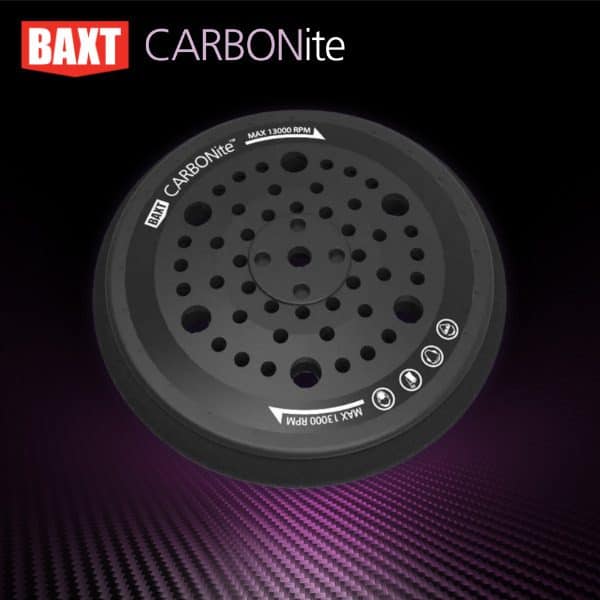
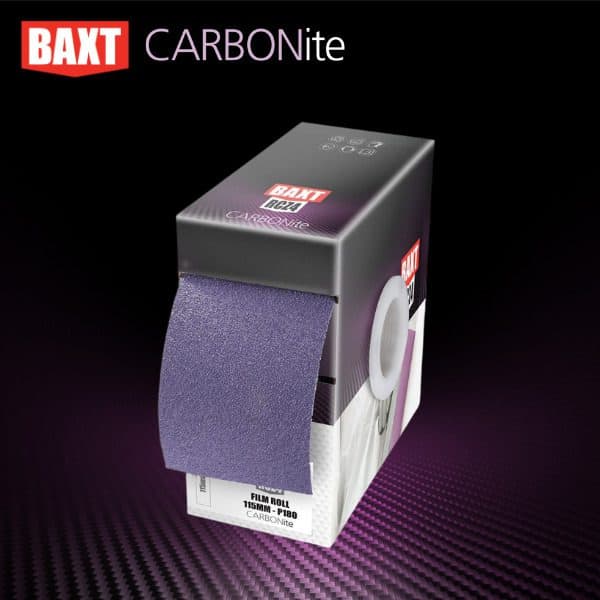
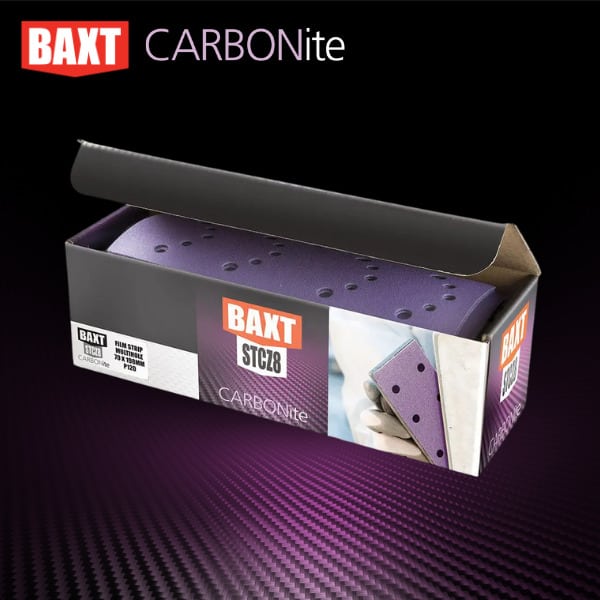
| BAXT CARBONite | Velcro disc & roll | P40 – P600 (range) | Heavy-duty carbon fibre & high-spec composite sanding |
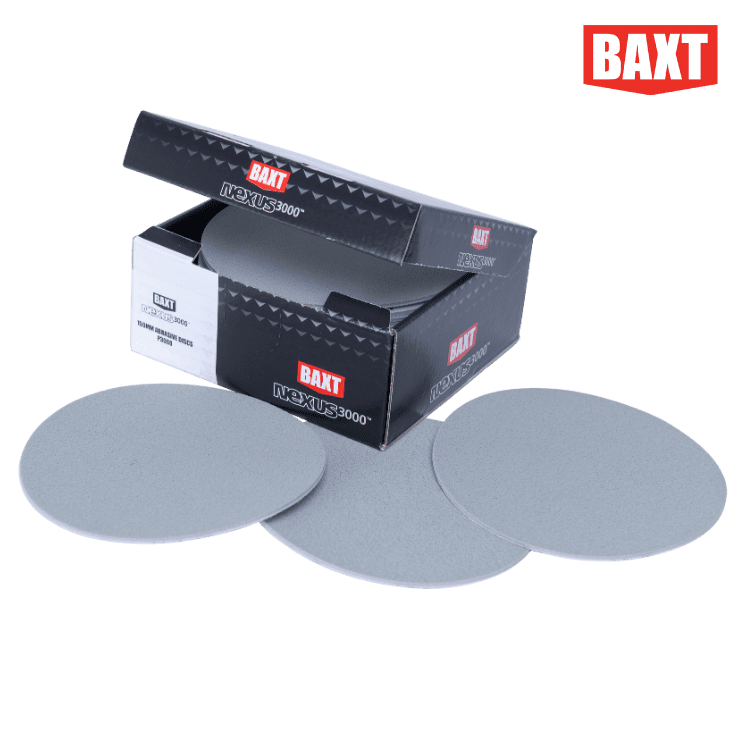
| BAXT Nexus | Disc | Fine finishing | Final-stage composite finishing, minimal dust, micro-scratch elimination |
| BAXT Crystal Cut | Disc | Fine – medium | Precision detailing on curved or complex composite surfaces |
| BAXT AEROnet | Net-style disc | Mixed | Aerospace finishing with maximum dust extraction efficiency |
| BAXT DX6 | Film disc, 15-hole | P500 – P2000 | Polishing & blending, long-life pre-paint finishing |
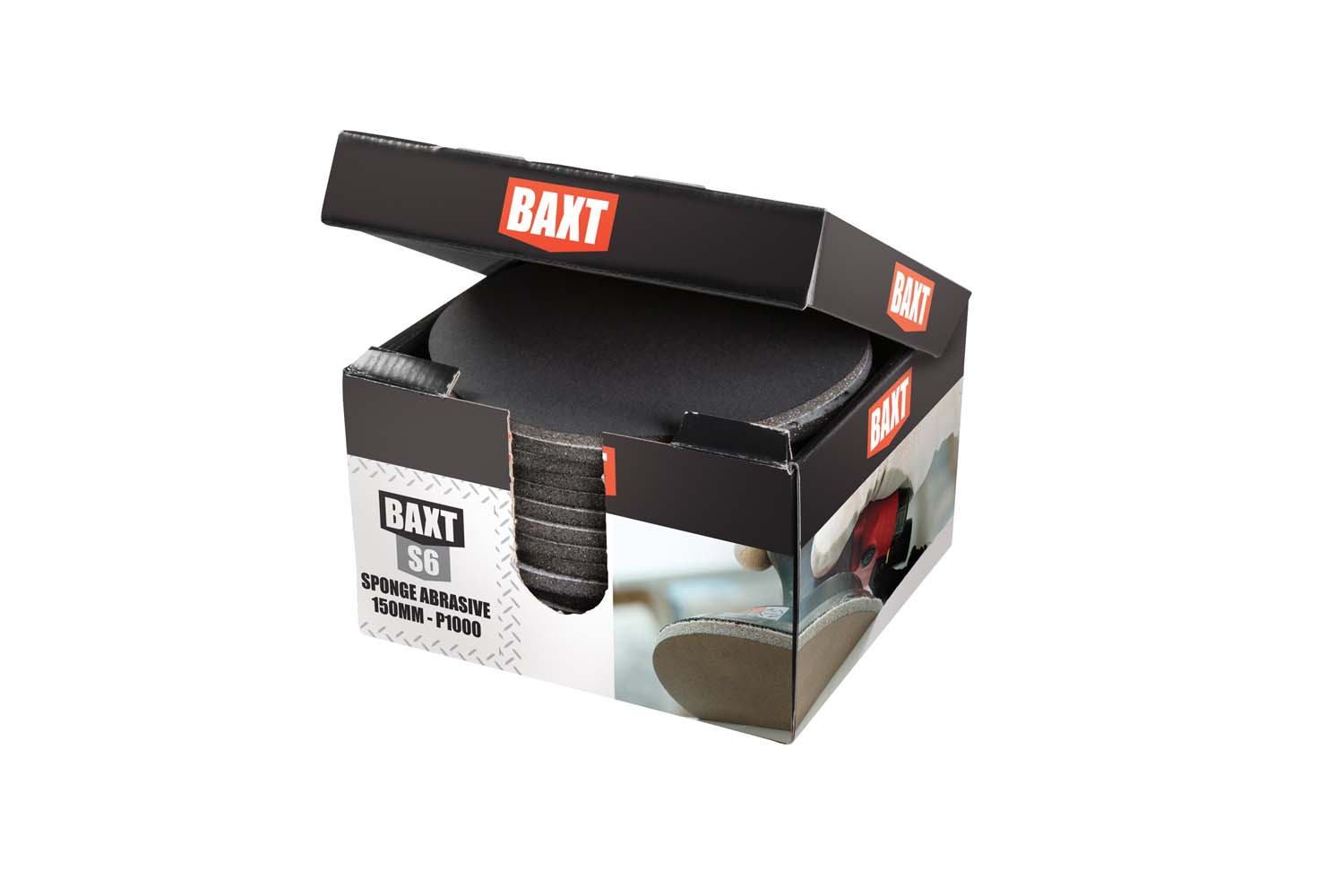
| BAXT S6 | Sponge disc | N/A | Contoured surfaces, edges, radii – wet or dry |
| BAXT ST7 | Sanding strip | P40 – P400 | Low-dust hand or machine sanding, detail work |
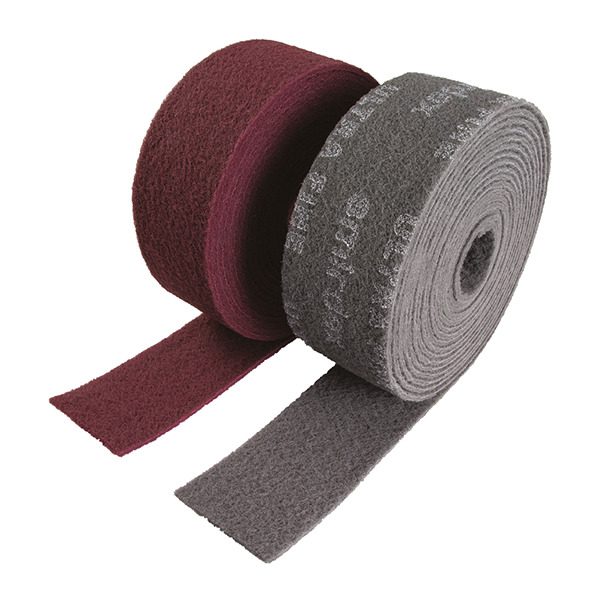
| BAXT SR3 | Finishing roll | Very fine / ultra fine | Cushioned finishing on flat or contoured surfaces |
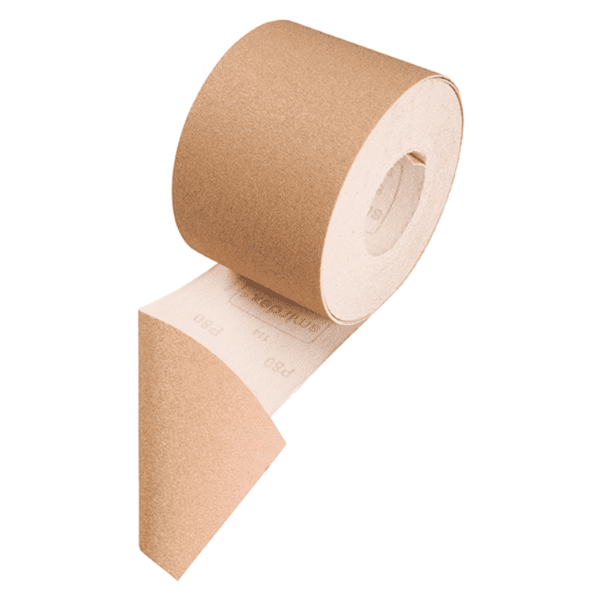
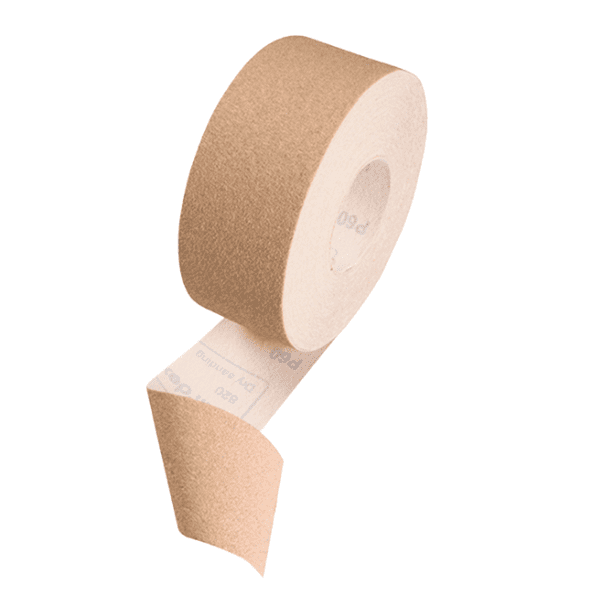
| BAXT R3 / R4 | Velcro roll (77mm / 115mm) | P40 – P400 | Bulk supply, custom-cut to any sanding board size |
Positioning: BAXT vs. the Established Brands
For teams currently specified on 3M or Mirka, the comparison that matters is grain type, anti-clog coating, hole configuration for dust extraction, and backing durability – not just headline brand. BAXT ranges are engineered to match or exceed those specifications while typically costing less per disc, which is why production teams that switch report both a quality improvement and a lower cost per finished component, particularly on high-volume carbon fibre work.

Which Brand Should You Choose for Roloc Discs?
Roloc is 3M’s quick-change disc attachment system, and “Roloc disc” has become the generic term for this format across the industry. For aerospace surface prep, deburring and blending, the choice comes down to two credible options.
| Brand / Range | Type | Strengths | Best Use Case |
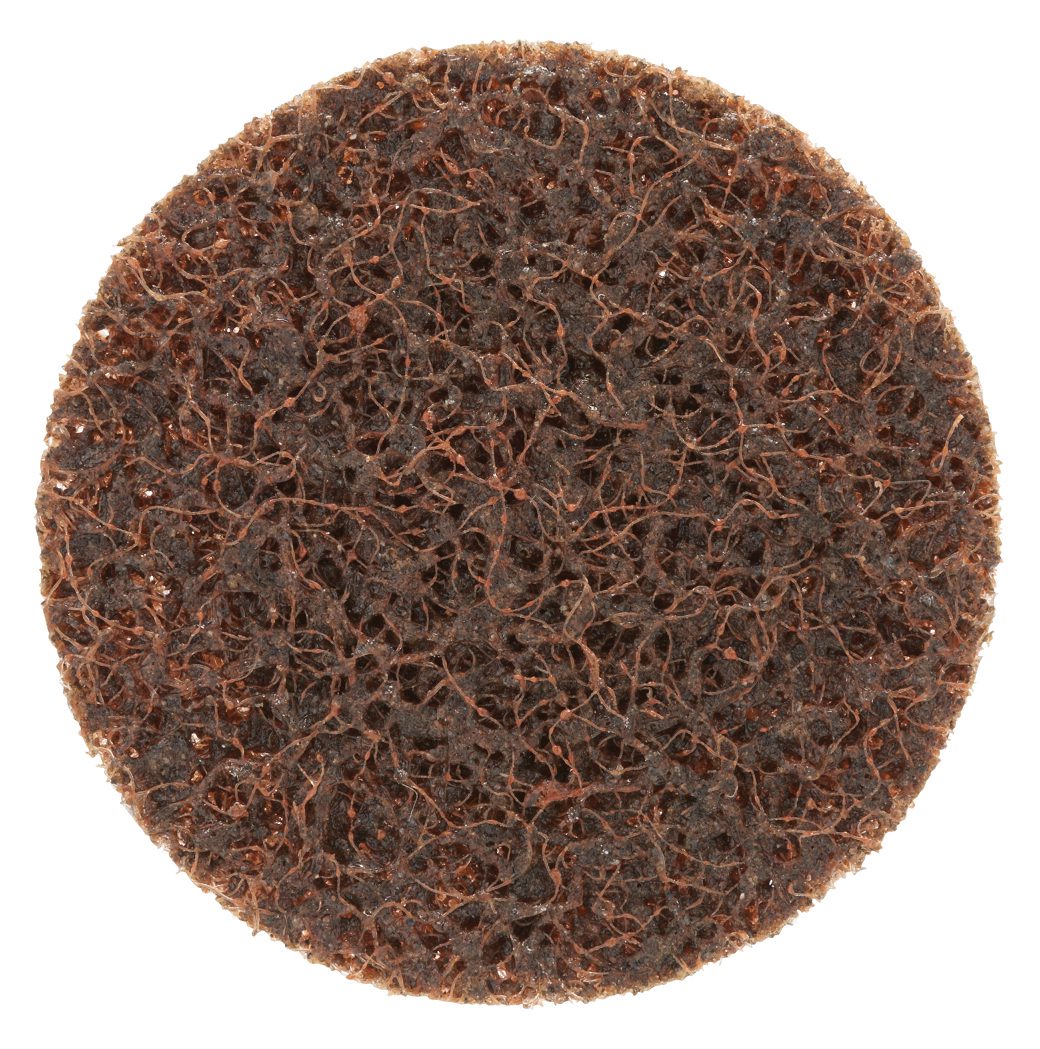
| 3M Roloc Surface Conditioning Disc | Non-woven, aluminium oxide | Continuous, consistent cutting action; industry-standard quick-change fit | General-purpose deburring & finishing across metal and composite parts |
| 3M Roloc TR777F | Ceramic + aluminium oxide blend | High stock removal with strong finishing capability | Combined stock removal and finishing in one disc |
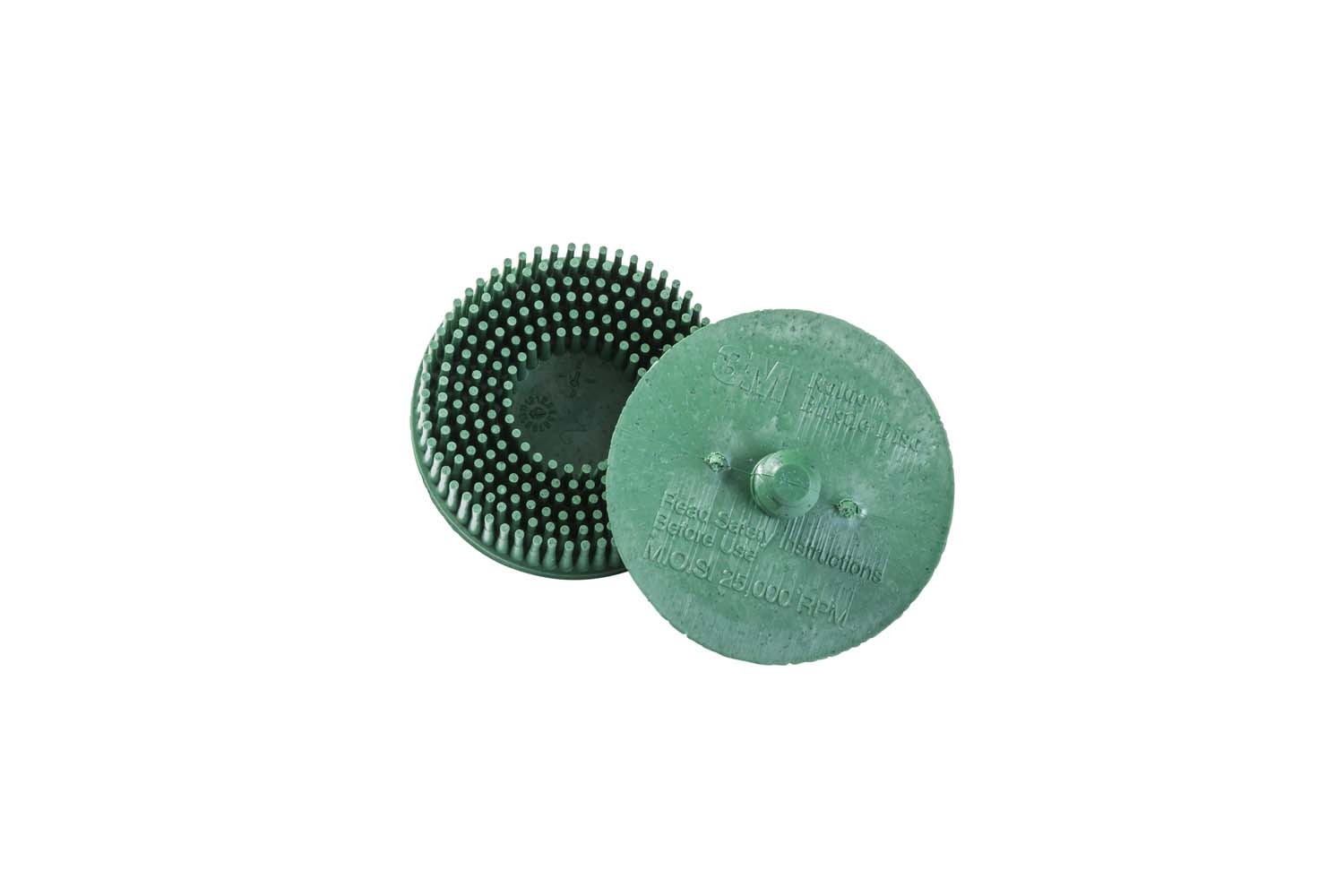
| 3M Roloc Bristle Disc | Abrasive-impregnated bristle | Removes paint, sealant and rust without damaging the substrate | Paint/sealant stripping ahead of composite repair |
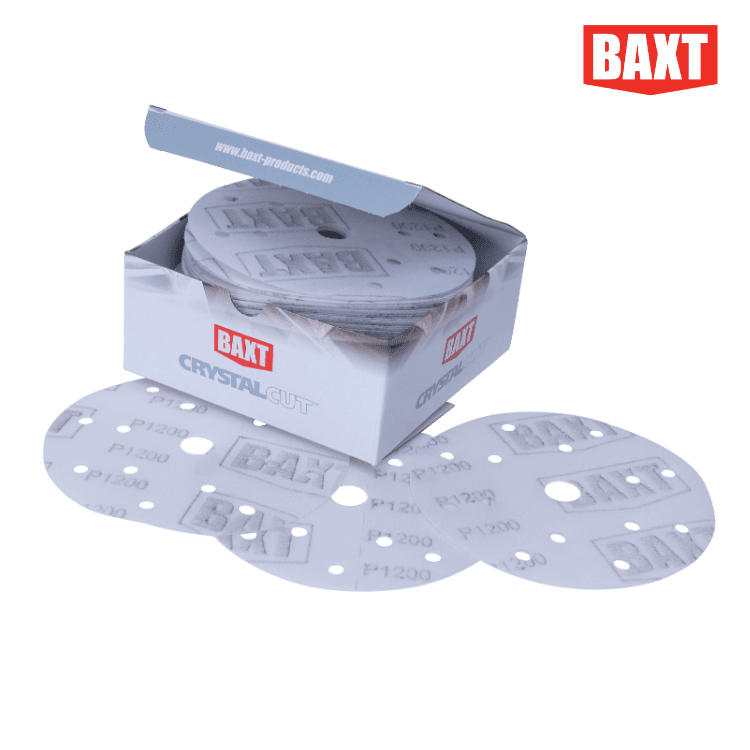
| BAXT Crystal Cut (Roloc-compatible) | Ceramic composite disc | Comparable cut rate to 3M at a lower cost per disc | High-volume shaping & trimming of intricate composite parts |
Our recommendation: specify 3M Roloc where a process is already qualified against it, since re-qualifying an aerospace process against a new abrasive brand carries its own cost. For new lines, high-volume trimming work, or facilities looking to reduce per-part consumable cost, BAXT Crystal Cut is worth qualifying alongside 3M as a second source – a step that also protects supply continuity if one brand experiences a shortage.
Carbon Fibre Tape and Adhesives for Composite Assembly & Repair
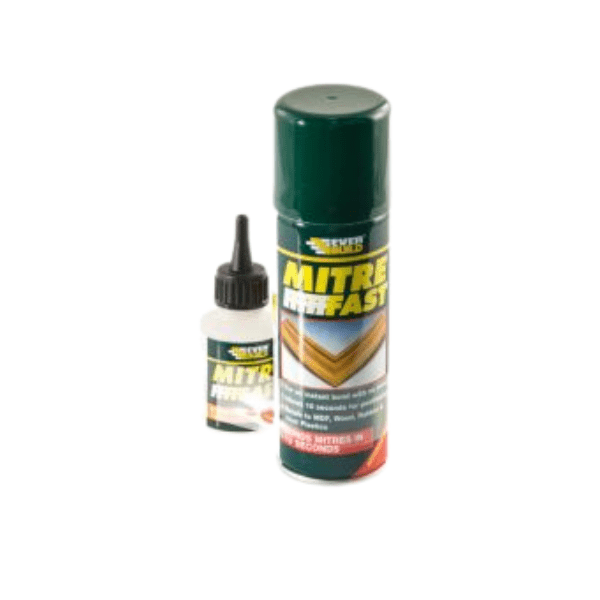
“Carbon fibre tape” covers two distinct product types that are easy to conflate: reinforcement tape (dry or pre-impregnated carbon fibre fabric used to build up laminate strength) and adhesive tape/spray (used to temporarily position fibre or bond components during layup and assembly). This guide focuses on the consumable adhesive side of that category, which is where DTC’s BAXT range sits.
BAXT CARBONtak
CARBONtak is a high-performance temporary contact adhesive spray designed to hold light carbon fibre in place during layup, ahead of vacuum bagging. It is formulated to be compatible with all three major resin systems used in aerospace composite production – epoxy, vinyl ester and polyester – making it a single product that covers most production environments rather than requiring a different adhesive per resin type.
Structural Adhesives & Sealants
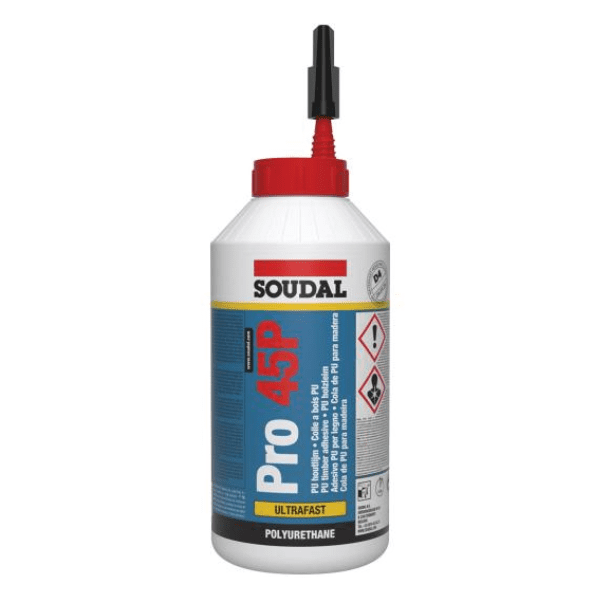
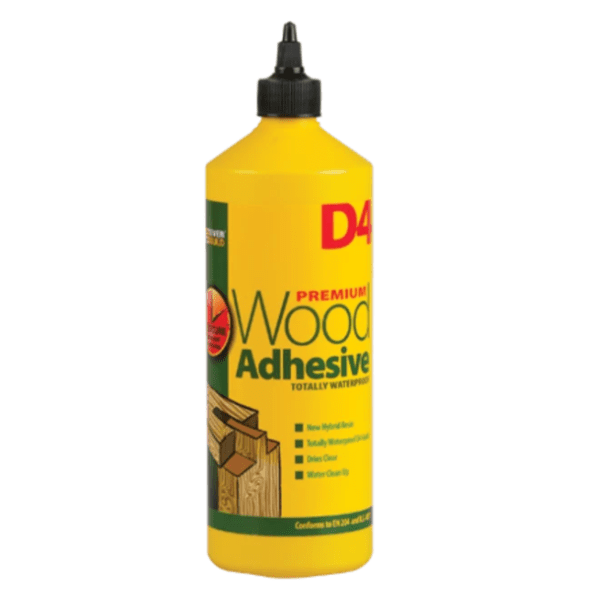
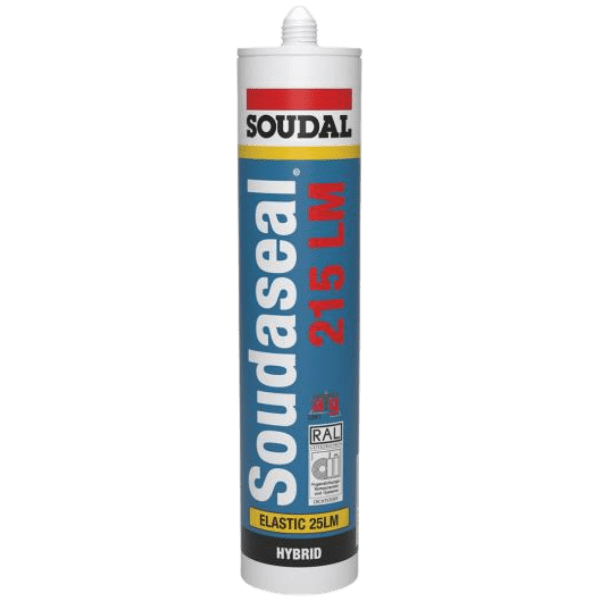
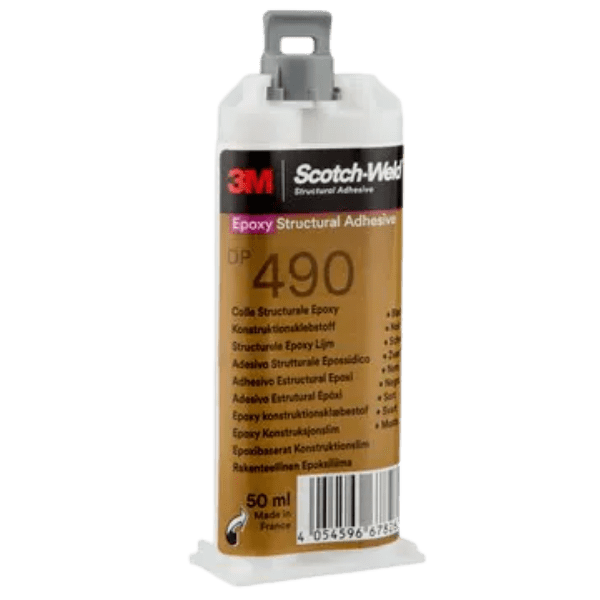
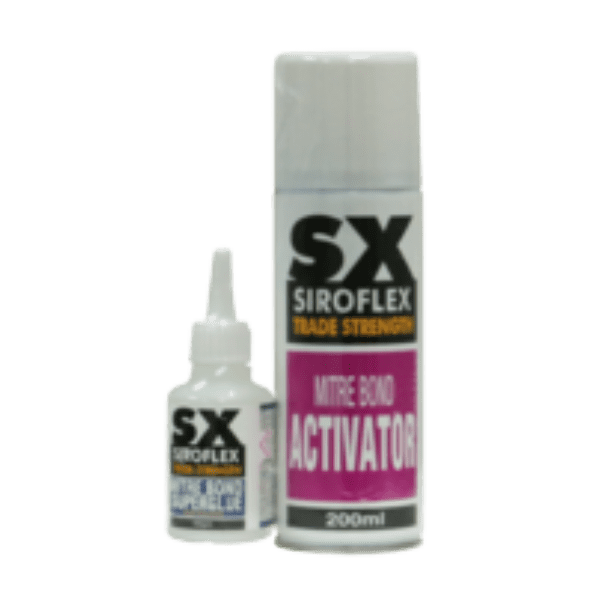
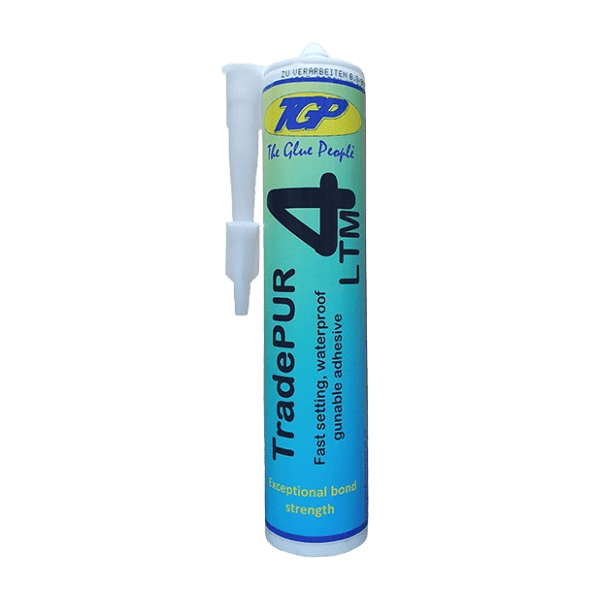
For permanent bonding, DTC also stocks specialist structural adhesives (including Permabond and Loctite ranges) alongside general sealants and applicators, so temporary positioning adhesives and permanent structural bonds can be sourced from a single supplier rather than split across multiple vendors.
Masking & Speed Tape
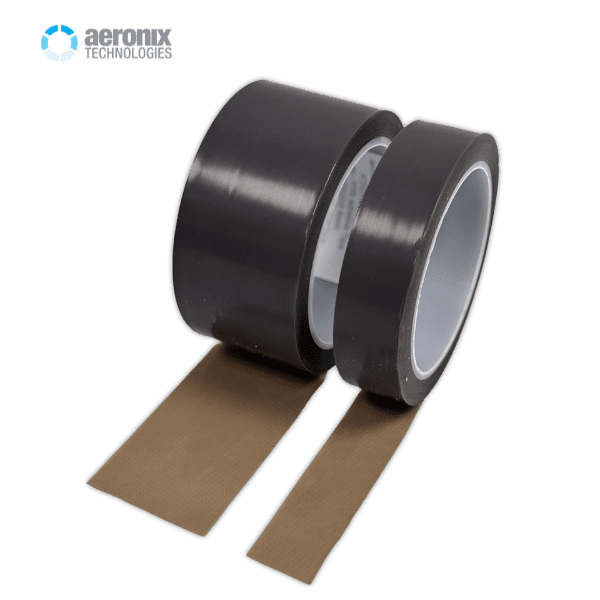
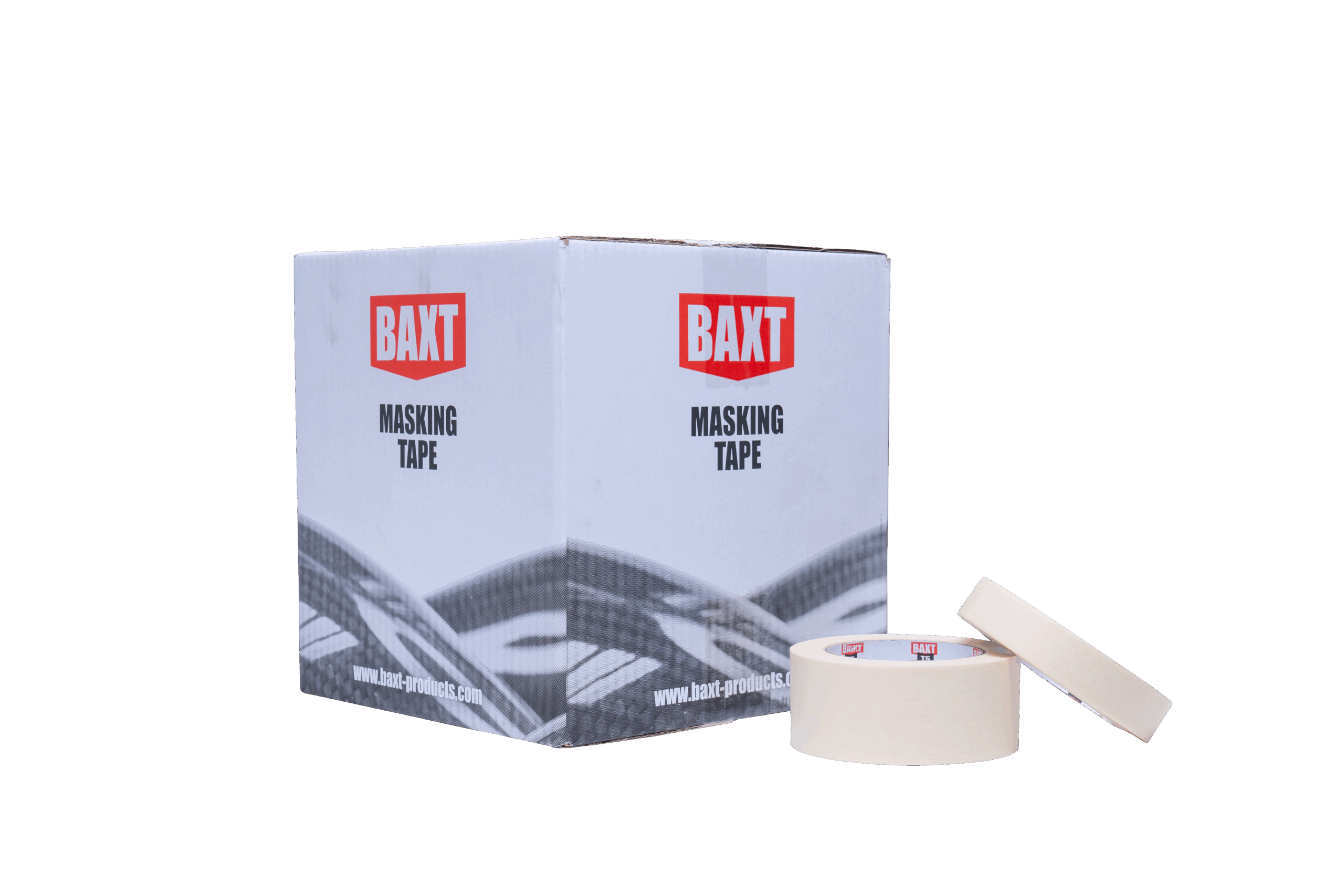
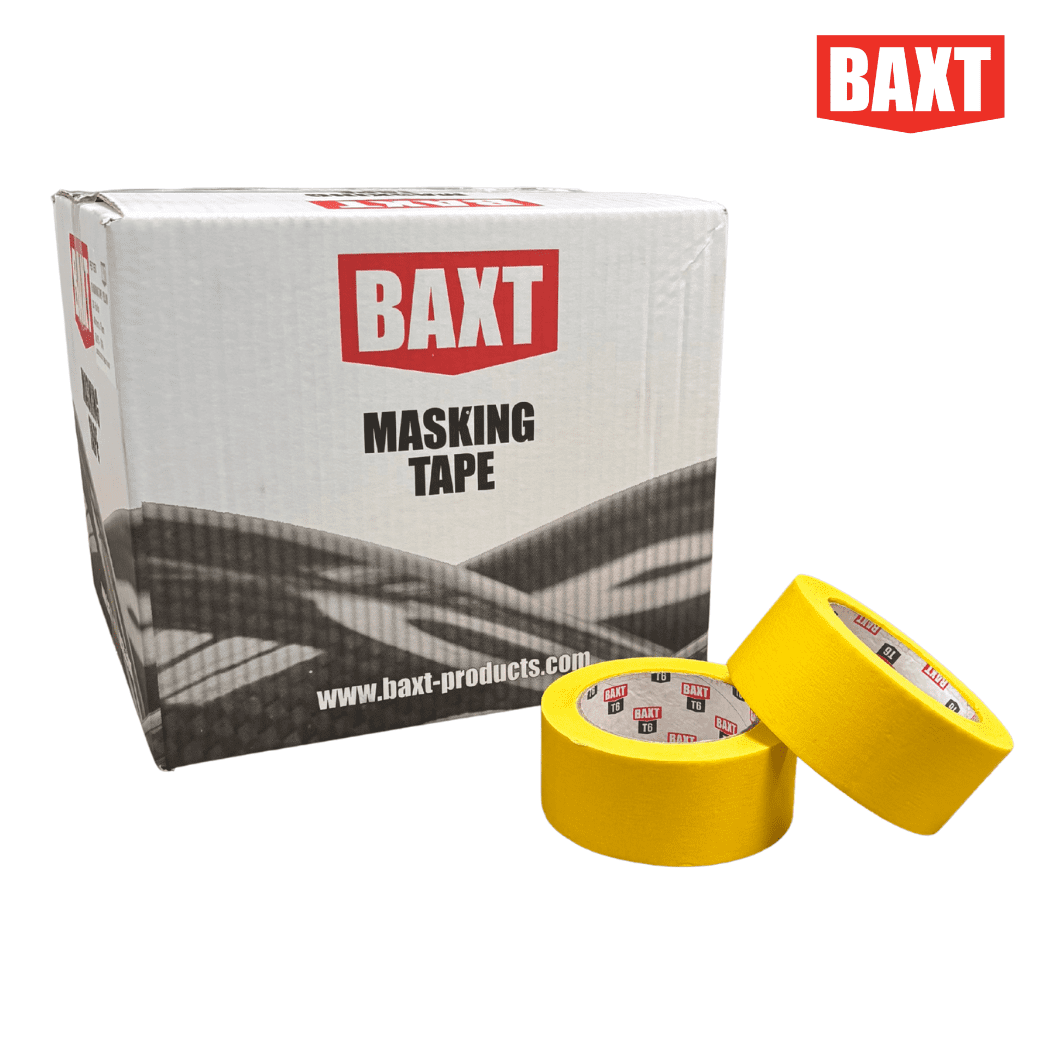
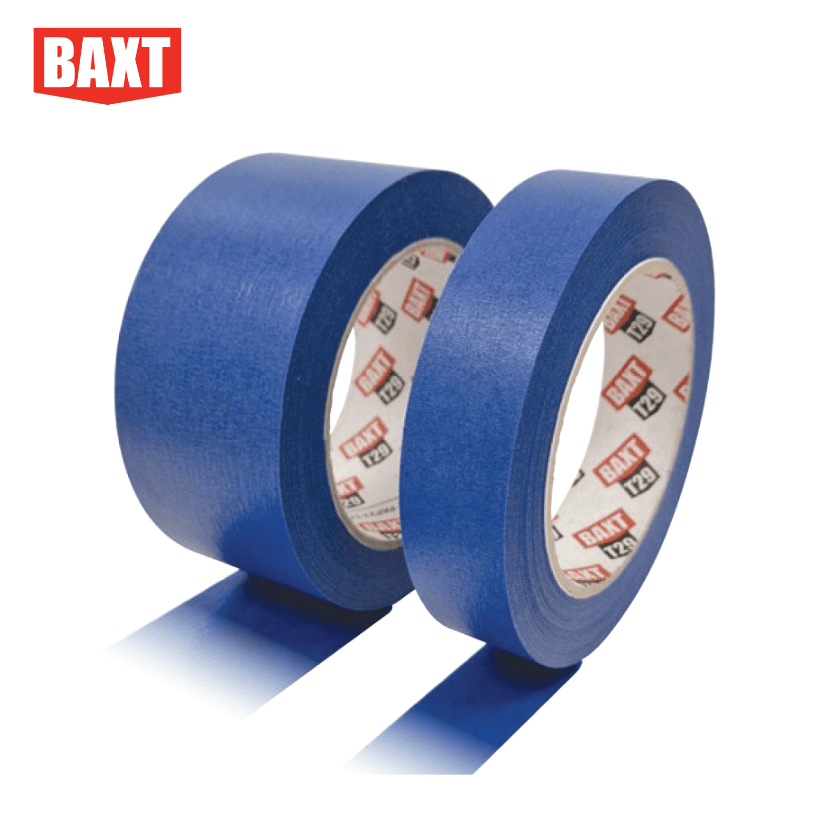
Aerospace masking presents its own challenges: fine-line tape for intricate paint detailing, speed tape and repair tape for fuselage work, and high-temperature tape for processes that involve heat. These sit alongside the adhesive range as part of a complete finishing consumables list.

Composite Turbine Components: Finishing Considerations
“Composite turbine components” spans two related but distinct applications: wind turbine blades (large-format fibreglass and, increasingly, carbon fibre structures) and aeroengine composite components such as fan blades and nacelle parts. Both rely on the same underlying finishing principles as other aerospace composites, but with some important differences.
- Scale: wind turbine blades are finished in sections that can run to tens of metres, which favours abrasive rolls and strips (BAXT R3/R4, ST7) over pre-cut discs for the bulk of the shaping work.
- Resin hardness: turbine blades increasingly use epoxy rather than polyester gelcoat for improved fatigue resistance, which wears through standard abrasives faster and benefits from a ceramic-blend disc such as BAXT Crystal Cut or CARBONite at the shaping stage.
- Weight-critical tolerances: aeroengine composite components are held to the same strict surface and dimensional tolerances as airframe parts, so the staged grit progression outlined earlier in this guide applies without shortcuts.
- Dust and cure-time management: larger turbine components generate proportionally more dust over a longer sanding cycle, making net-style discs and mobile or ATEX-rated dust extraction a practical requirement rather than an optional upgrade.
DTC’s earlier article, ‘Aerospace Composite Materials: The Ideal Fit in the Construction of Wind Turbine Blades’, covers the materials science behind why composites replaced wood, steel and aluminium in blade design. This buying guide picks up where that article leaves off – covering the finishing consumables needed once the composite has been laid, cured and is ready to be sanded, trimmed and prepared for coating.
Dust Extraction, Safety & Compliance in Aviation
Composite sanding dust, particularly from carbon fibre, is a recognised occupational health concern and a driver of poor surface finish through disc loading. A properly matched dust extraction system, backup pad and hole configuration will extend abrasive life as well as protect operators.
- Match the disc’s hole configuration to your extractor – more extraction points generally means better dust removal without a meaningful loss of cut rate.
- Use M-Class or ATEX-rated extraction where local regulations or dust volume require it, particularly on large-format turbine or fuselage work.
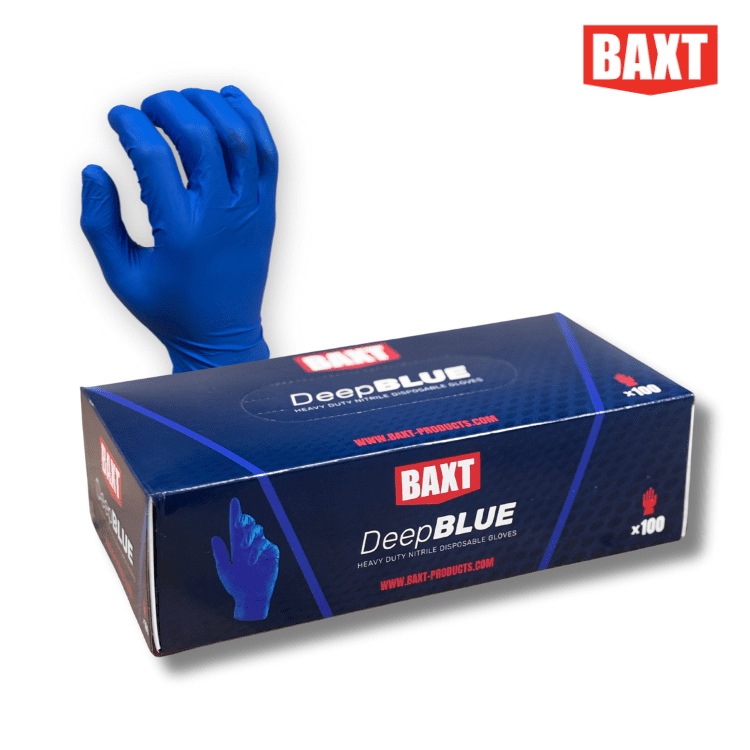
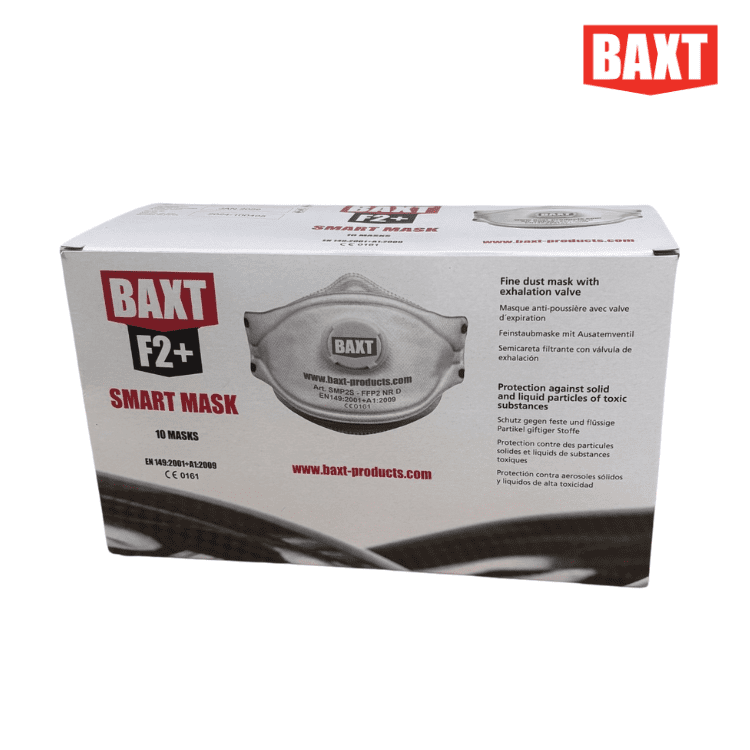
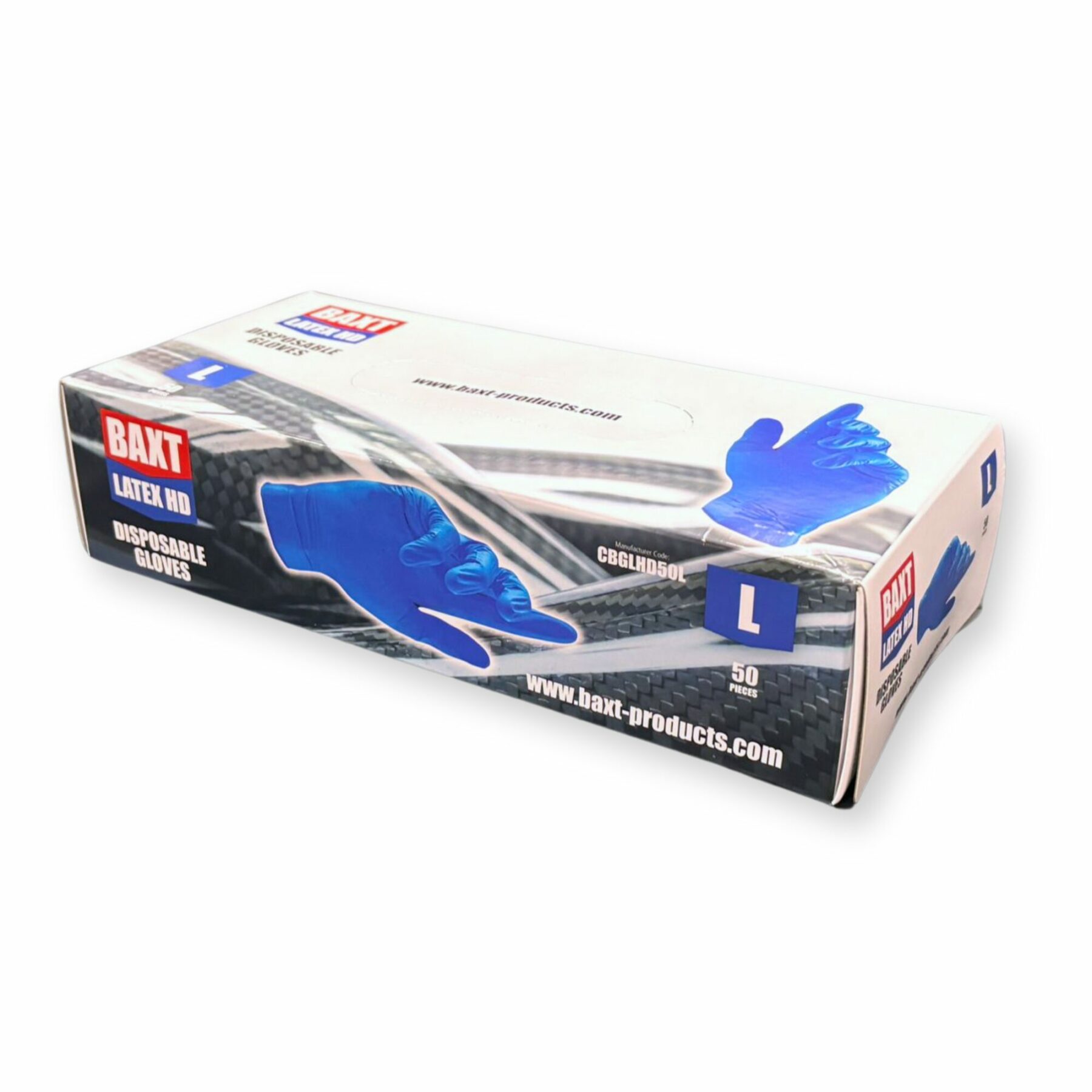
- Pair PPE (respiratory protection, gloves, coveralls) to the specific dust and resin type being sanded, not a generic standard – epoxy and carbon fibre dust carry different handling considerations to polyester/GRP dust. BAXT have aviation-grade PPE such as coveralls and half masks.









Consumables Supply: Why MRO Facilities & Production Lines Choose VMI
Abrasives, tapes, adhesives and PPE are burned through continuously on any composite finishing line. A stockout of a single grit or format can be enough to stop a production cell or ground an MRO bay while a replacement order is placed and delivered. That risk profile is why an increasing number of aerospace facilities move finishing consumables onto a Vendor Managed Inventory (VMI) arrangement rather than managing them through reactive purchase orders.
How VMI Works for Finishing Consumables
Under a VMI model, stock levels for an agreed list of consumables – abrasive discs, tapes, adhesives, PPE – are monitored continuously and replenished against pre-defined minimum and maximum levels, rather than reordered manually as stock runs low. DTC’s VMI programme combines on-site stock systems, real-time usage data through the DTC HUB platform, and ongoing review to keep those levels aligned with actual production demand.
| Supply Model | How It Works | Best Suited To |
| Reactive ordering | Stock is checked manually and ordered when it runs low | Low-volume or occasional composite work |
| Standing/scheduled orders | Fixed quantities delivered on a set schedule regardless of actual usage | Predictable, stable consumption |
| Vendor Managed Inventory (VMI) | Supplier monitors usage and replenishes to agreed min/max levels | MRO facilities & production lines with continuous, variable consumable demand |
For MRO facilities in particular, VMI removes the administrative overhead of tracking dozens of grit/format/brand combinations across multiple bays, while giving production and purchasing teams full visibility of usage and spend through a single platform.
Buying Guide Checklist: What to Look for Before You Order
- Confirm the resin system (epoxy, vinyl ester or polyester) – this determines whether a standard or ceramic-blend abrasive is required.
- Match grit progression to the finishing stage (see the grit table above) rather than defaulting to one disc for the whole job.
- Check hole/format compatibility with your existing dust extraction and backup pads.
- Verify anti-clogging coating and expected disc life, especially for carbon fibre and high-volume production.
- For Roloc-format discs, confirm whether the process is qualified to a specific brand, or whether a second source (e.g. BAXT alongside 3M) can be introduced.
- Select the correct adhesive/tape for the job – temporary positioning (e.g. BAXT CARBONtak) versus permanent structural bonding are not interchangeable.
- Assess consumption volume and variability – high, continuous consumable demand is the strongest signal that a VMI programme will outperform reactive ordering.
Summary Comparison Chart
| Need | Recommended Product / Approach | Why |
| General-purpose composite sanding | BAXT D6 (P40–P1000) | Anti-clog coating, wide grit range, proven on gelcoat & composite |
| Heavy-duty carbon fibre sanding | BAXT CARBONite | Tougher grain built to withstand carbon fibre wear rate |
| Final-stage low-dust finishing | BAXT Nexus | Minimises micro-scratching and dust for pre-polish surfaces |
| Contoured / edge sanding | BAXT S6 sponge disc | Conforms to curves without pressure marks |
| Polishing & blending | BAXT DX6 film disc (P500–P2000) | Polyester backing, ~3x life of paper-backed discs |
| Qualified Roloc process | 3M Roloc (Surface Conditioning / TR777F) | Industry-standard, widely qualified |
| High-volume Roloc trimming | BAXT Crystal Cut | Comparable performance, lower cost per disc |
| Temporary carbon fibre positioning | BAXT CARBONtak | Compatible with epoxy, vinyl ester & polyester |
| Large-format turbine component shaping | BAXT R3/R4 rolls & ST7 strips | Bulk, cut-to-size formats suit large surface areas |
| Continuous, high-volume consumable demand | DTC VMI Solutions | Removes stockout risk, full usage visibility via DTC HUB |
Frequently Asked Question: Aerospace Consumables
Is BAXT abrasive as good as 3M or Mirka for aerospace composite finishing?
Is BAXT abrasive as good as 3M or Mirka for aerospace composite finishing?
BAXT abrasives are engineered specifically for composite manufacturing and finishing and are used across aerospace, motorsport and marine composite production. The comparison points that matter are grain type, anti-clogging coating, hole configuration for dust extraction, and backing durability – BAXT ranges such as D6, CARBONite and Nexus are built to match or exceed comparable 3M and Mirka products at a lower cost per disc, making them well suited to high-volume production and MRO consumable programmes.
Why do MRO facilities and production lines use Vendor Managed Inventory (VMI) for finishing consumables?
Why do MRO facilities and production lines use Vendor Managed Inventory (VMI) for finishing consumables?
Abrasives, tapes, adhesives and PPE are consumed continuously on composite finishing lines, and a stockout can halt production or ground an MRO bay. VMI shifts responsibility for monitoring and replenishing these consumables to the supplier, using agreed min/max stock levels and usage data, so operations teams get consistent availability without carrying excess inventory or managing reactive purchase orders.
Can I use the same abrasives for carbon fibre as for fibreglass (GRP)?
Can I use the same abrasives for carbon fibre as for fibreglass (GRP)?
Not ideally. Carbon fibre is significantly harder and more abrasive-wearing than GRP, so discs designed for GRP gelcoat wear out fast on carbon fibre and can glaze rather than cut. Purpose-built carbon fibre ranges such as BAXT CARBONite use a tougher grain and anti-clogging coating to maintain a consistent cut rate on carbon fibre and other high-spec composite laminates.
What grit should I use for finishing composite turbine components?
What grit should I use for finishing composite turbine components?
Composite turbine components (wind turbine blades and aeroengine composite parts) follow the same staged approach as other aerospace composites: P40–P80 for mould and pattern shaping, P120–P220 for surface levelling, and P320 upwards for the final pre-coat finish. Epoxy-based turbine composites need a harder-wearing, ceramic-blend abrasive at the early stages compared with polyester gelcoat.
Which brand makes the best Roloc discs for aerospace surface prep?
Which brand makes the best Roloc discs for aerospace surface prep?
3M Roloc discs (Surface Conditioning, TR777F and Bristle ranges) remain the aerospace default because of the quick-change system and a wide qualified track record. BAXT Crystal Cut ceramic Roloc-compatible discs are a strong lower-cost alternative for shaping and trimming intricate composite parts, offering a comparable cut rate at a lower cost per disc for high-volume production.
What abrasives are best for sanding carbon fibre composites in aerospace applications?
What abrasives are best for sanding carbon fibre composites in aerospace applications?
For most aerospace carbon fibre work, a heavy-duty velcro disc such as BAXT CARBONite handles stock removal and shaping (P40–P180), followed by a film disc such as BAXT DX6 (P500–P2000) for finishing and blending. Net-style discs such as BAXT AeroNet reduce airborne dust during hand or machine sanding, which matters for both surface quality and operator safety.