
Coating for the long game
As service life expectations push beyond twenty-five years, the way coatings are specified, applied, and maintained needs to change
A coating is, at its most basic, a sacrifice layer. It sits between a structure and the environment, absorbing what the environment throws at it so that the substrate underneath does not have to. In a mild environment, a modest coating will do a reasonable job for a reasonable number of years. In a harsh one, think saltwater, UV exposure, thermal cycling, and chemical attack, the demands are of a different order entirely.
The marine and aerospace industries have always understood this. But the expectations placed on coatings in both sectors are shifting significantly. Where a ten to fifteen year service life was once considered acceptable for a well-specified protective system, operators and asset owners are increasingly asking for twenty-five years and beyond. Some programmes are now targeting the life of the structure itself.
That is not simply a product specification change. It is a fundamental shift in how the entire coating process needs to be approached, from substrate preparation through application to long-term maintenance.
Why the bar is rising
Several pressures are converging to drive longer service life expectations.
In the marine sector, the economics of dry-docking have become increasingly difficult to justify at short intervals. Taking a commercial vessel or offshore asset out of service for recoating is expensive in its own right; the lost operational time compounds that cost significantly. Operators who can extend the intervals between major maintenance events gain a meaningful commercial advantage, and the appetite for coating systems that genuinely support this is real and growing.
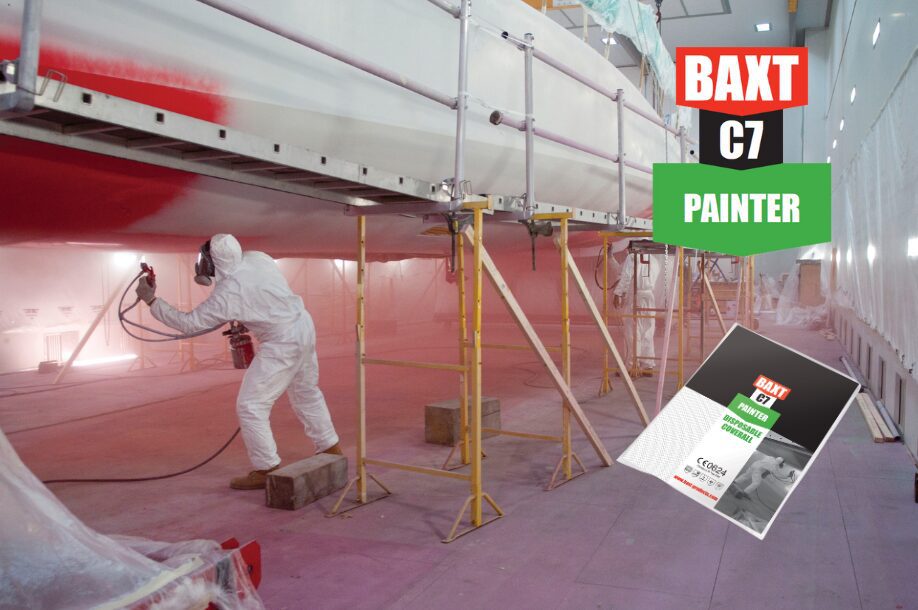
Offshore wind is a particular pressure point. The expansion of offshore wind installation over the past decade has created an enormous inventory of steel and composite structures in some of the harshest corrosion environments on the planet. Turbine foundations, towers, and transition pieces designed for a twenty-five-year operational life need coating systems capable of protecting them across that entire span, ideally without requiring costly maintenance access in a logistically complex offshore setting.
In aerospace, the drivers are slightly different but the direction is the same. Aircraft operating cycles are longer. Airframe lifespans are extending. Coating systems that degrade or lose adhesion before the aircraft reaches its structural inspection interval create maintenance burdens that operators want to avoid.
“The difference between a system designed for five years and one designed for twenty-five is not simply a product choice. It is a fundamentally different approach to the whole process.”
What a long-life system actually requires
Specifying a coating for a twenty-five-year service life is not simply a matter of choosing a higher-performance product and applying it in the same way as everything else. The system approach, meaning the combination of surface preparation, primer, intermediate coat, and topcoat, needs to be designed holistically for the exposure environment.
Under ISO 12944, the international standard for corrosion protection of steel structures, marine environments sit at the severe end of the classification scale. In practical terms, this means every element of the coating system needs to be specified for the actual conditions the structure will face: layer thickness, zinc loading in the primer, topcoat chemistry. A twenty-five-year system typically costs twenty to thirty per cent more upfront than a shorter-life alternative, but lifecycle economics almost invariably favour the more durable option once recoating intervals and operational downtime are factored in.
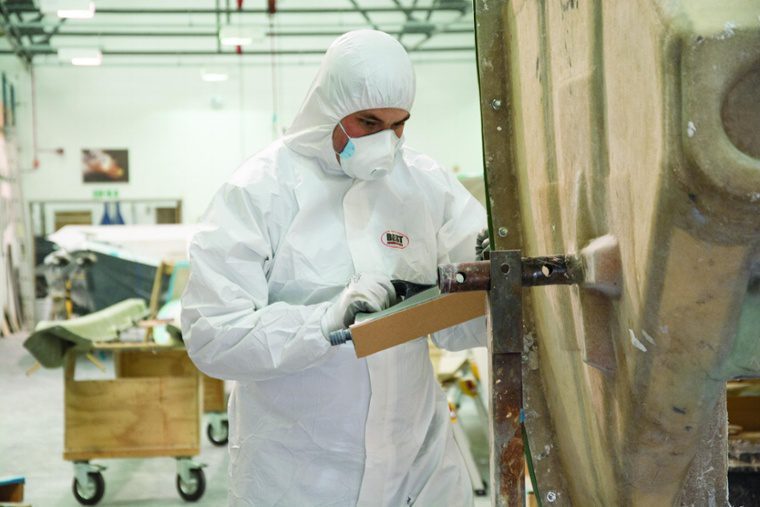
Surface preparation is the element most frequently underestimated. Coating performance over long service lives is disproportionately dependent on the quality of the substrate when the coating is first applied. Contamination from salt, oil, or moisture compromises adhesion in ways that become apparent not immediately, but years later when the system is already deep into its intended service life and rectification is expensive. In marine environments, achieving and maintaining the specified surface cleanliness and profile before application is a genuine operational discipline, not a procedural formality.
Application as a discipline
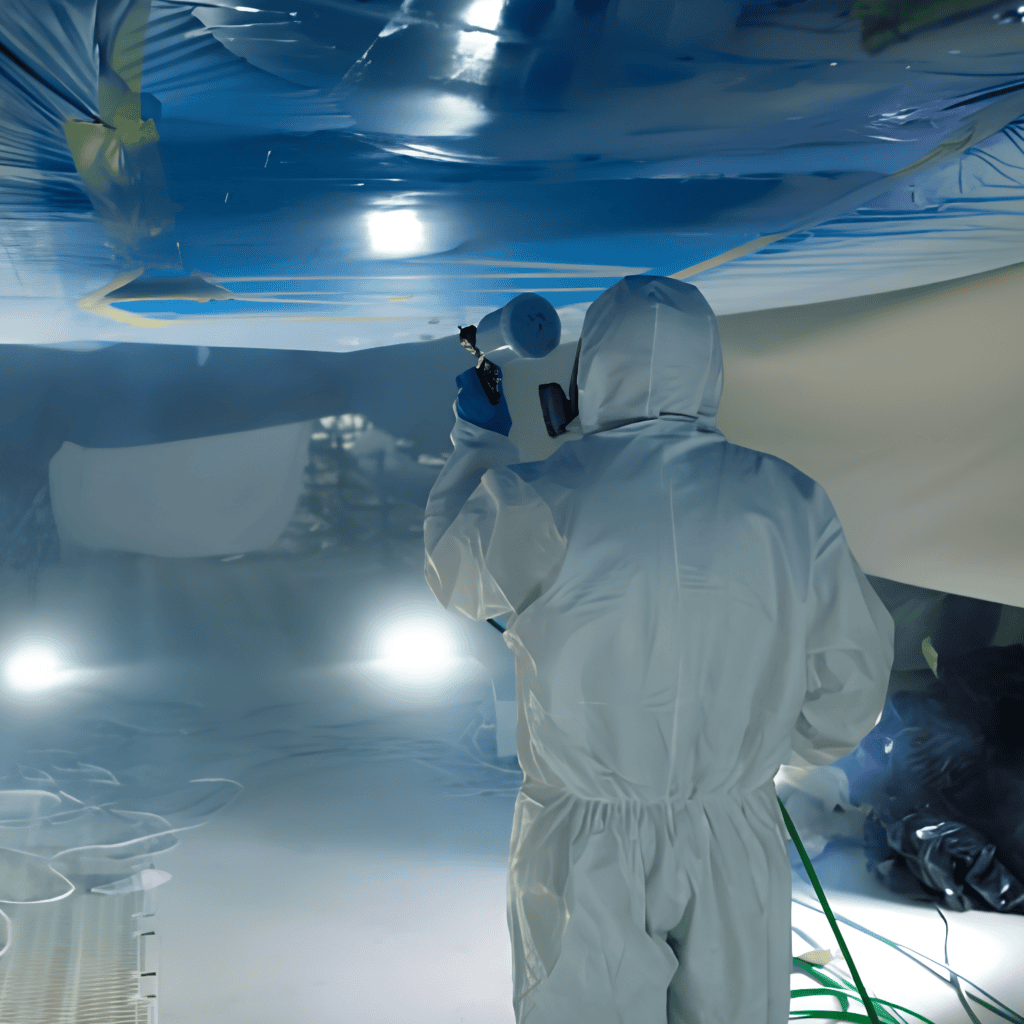
Beyond product selection and surface preparation, the application process itself becomes critical when the target is a multi-decade service life.
Dry film thickness consistency matters enormously. Under-application at any stage reduces the protective barrier proportionally. Over-application creates its own problems: internal stress, solvent entrapment, adhesion failure at layer interfaces. Neither is acceptable in a system where the margin for error is measured against twenty-five years of service.
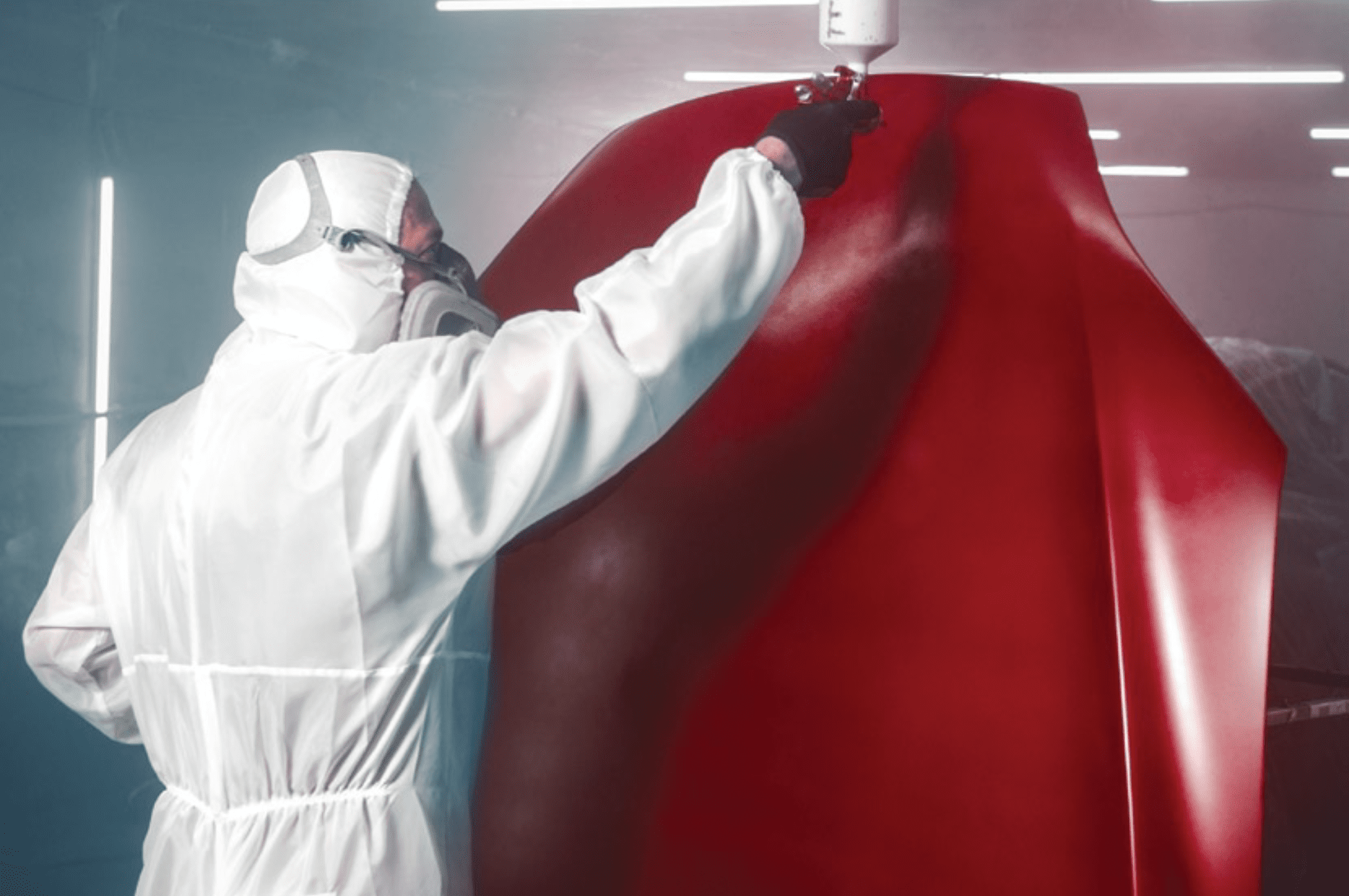
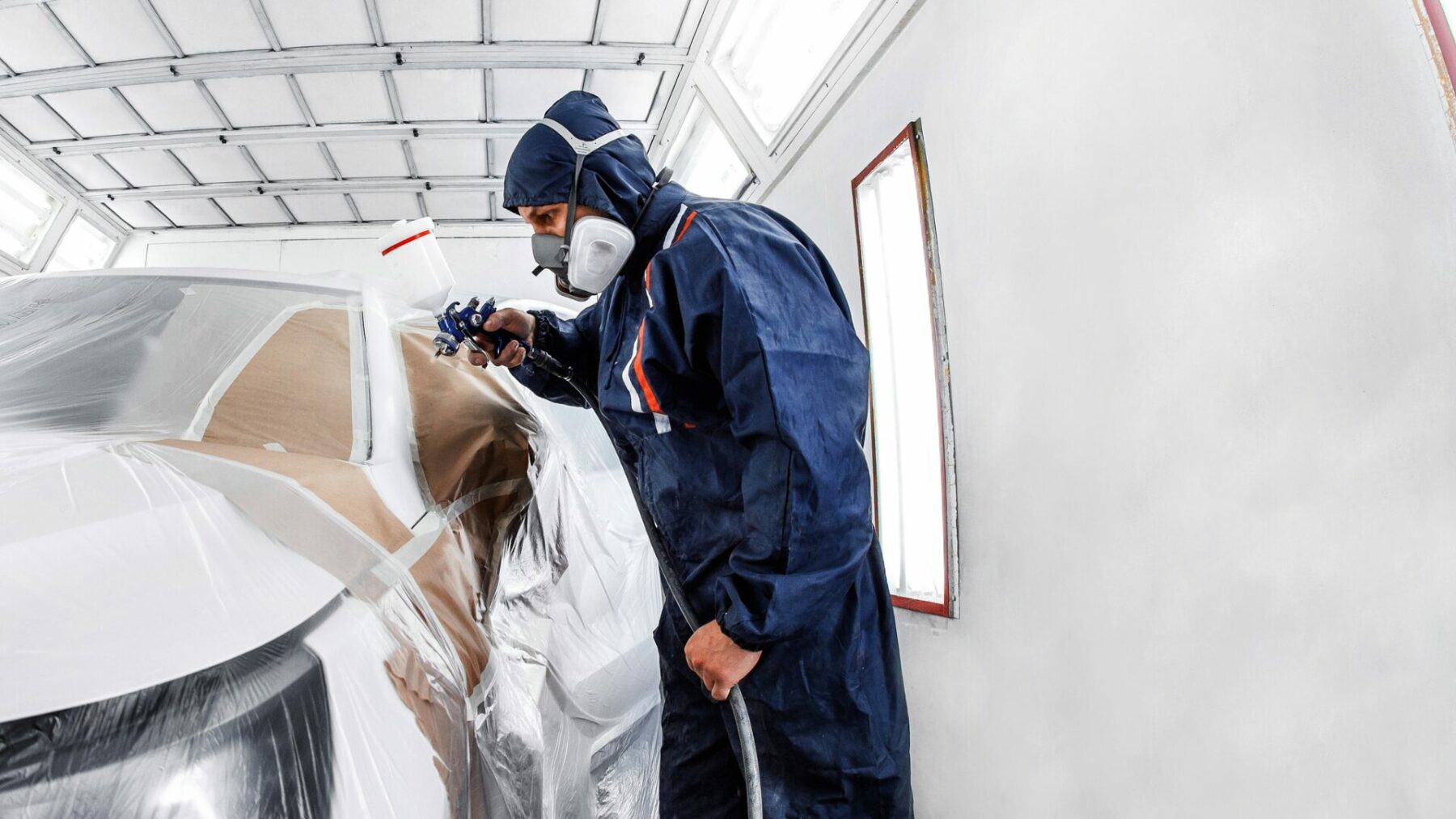
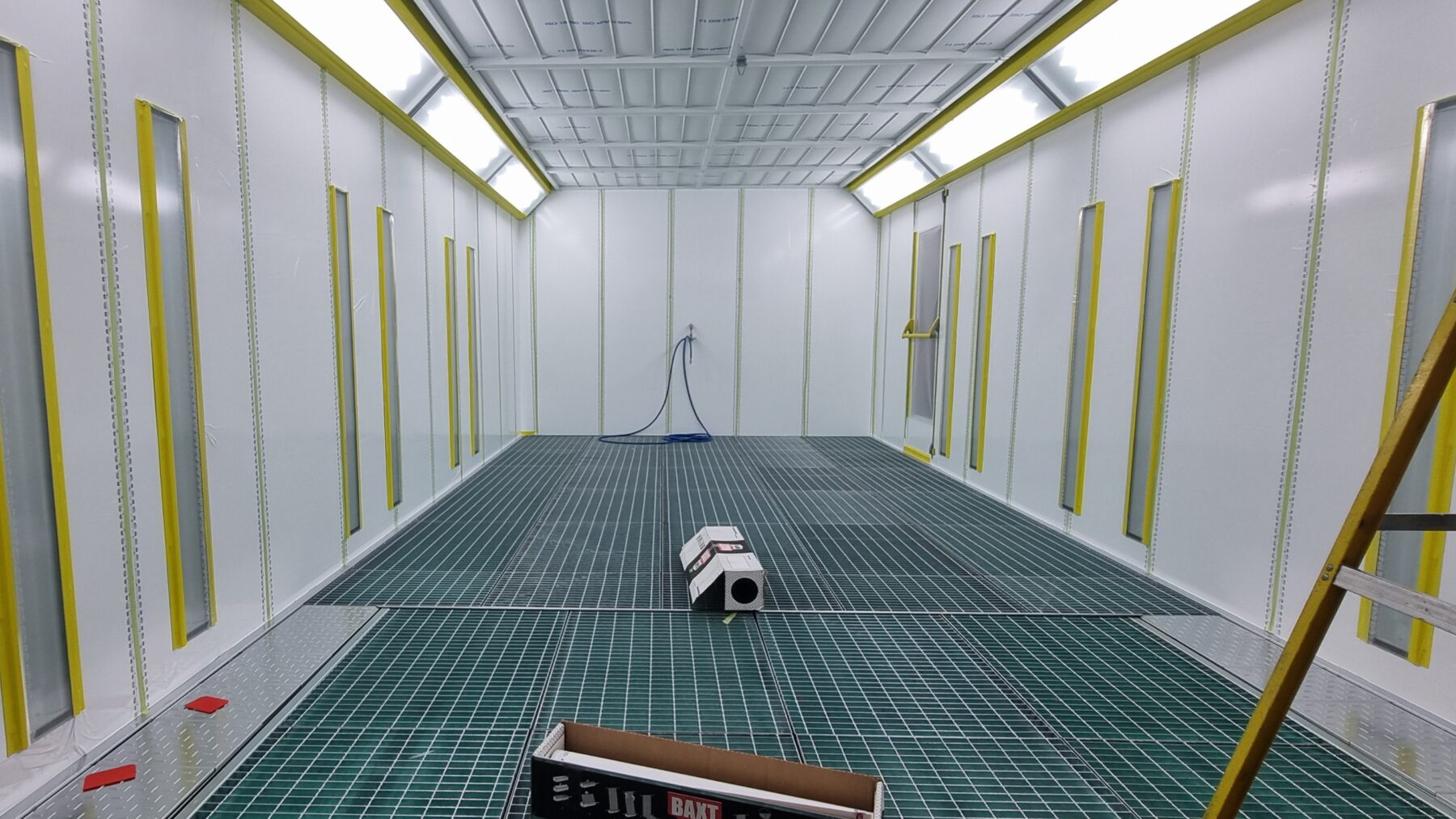
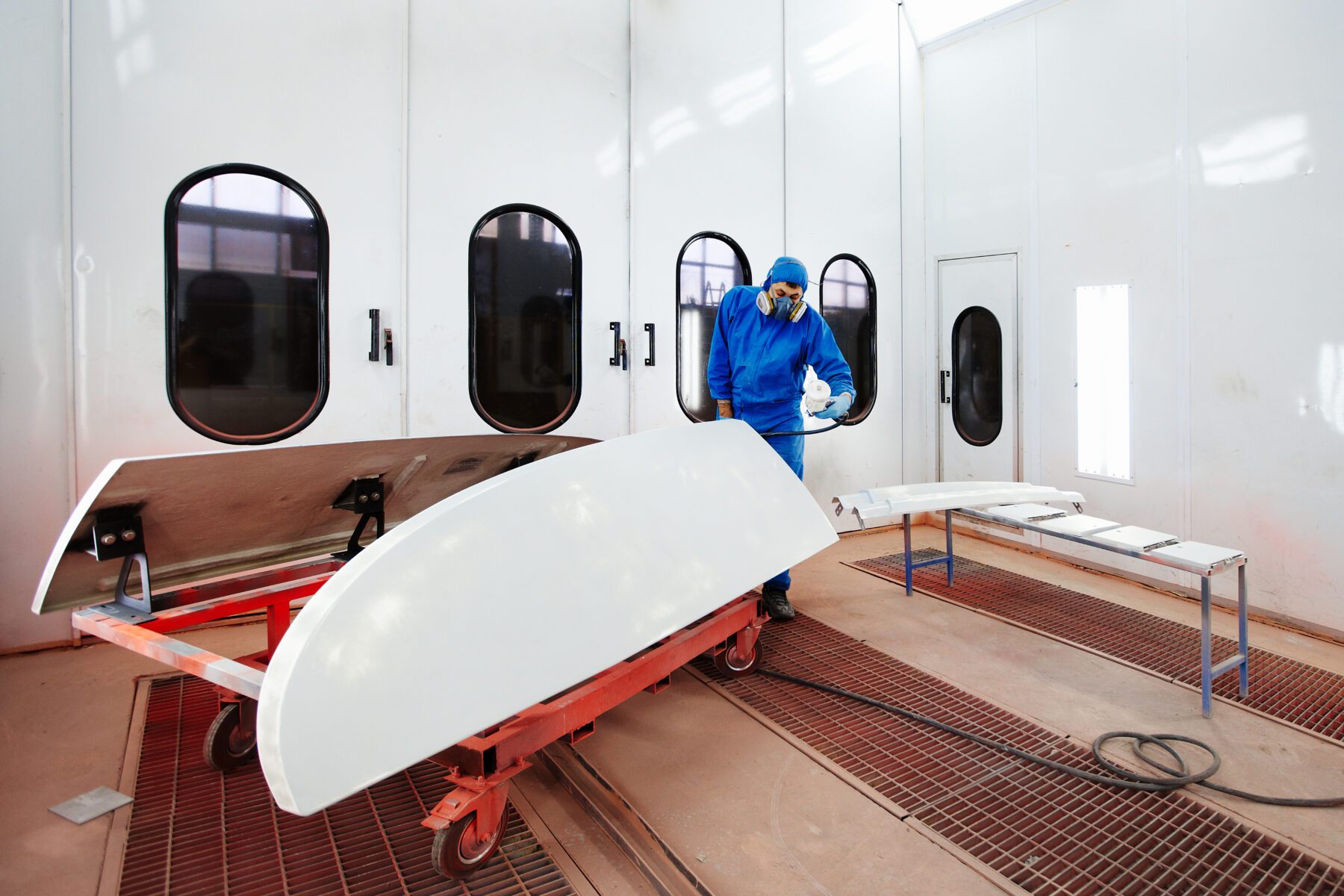
Environmental conditions during application, specifically temperature, relative humidity, and dew point, directly affect cure quality and adhesion. Applying coatings outside the product’s specified window, even marginally, is not a minor deviation. It is a genuine risk to the entire system’s performance across its intended life. In industries where these systems are protecting high-value assets in demanding environments, the discipline required around application conditions cannot be treated as box-ticking.
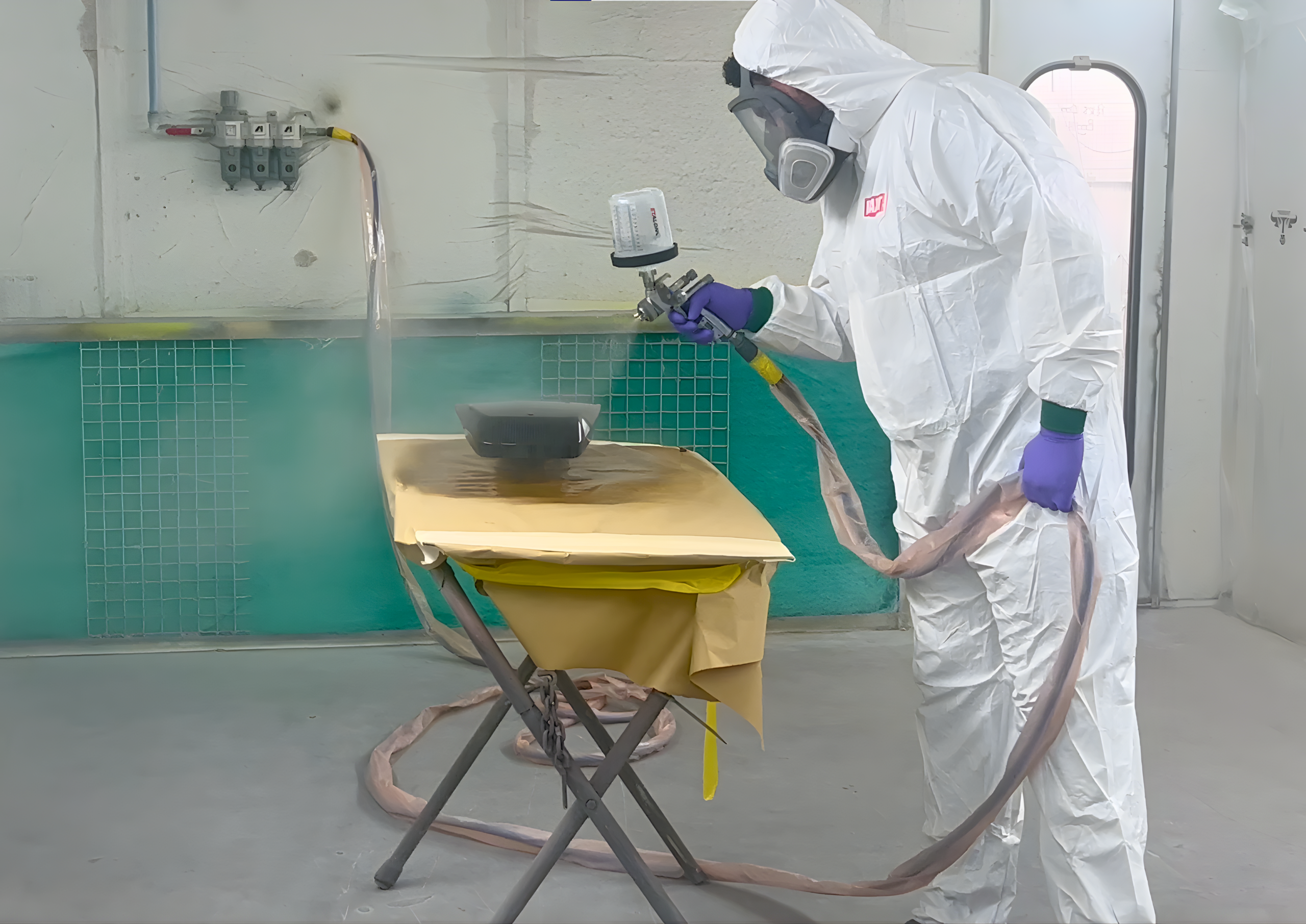
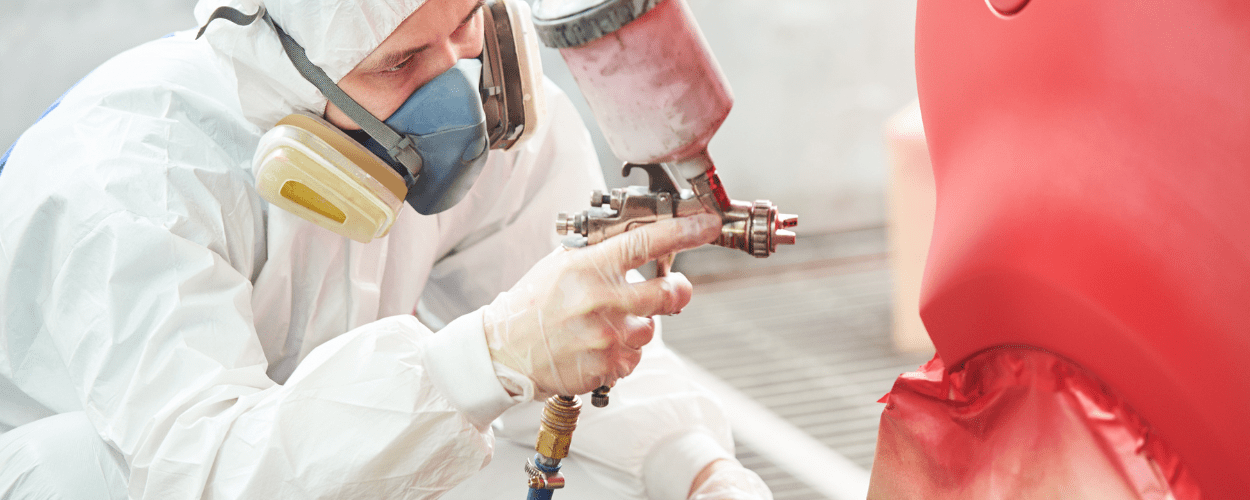
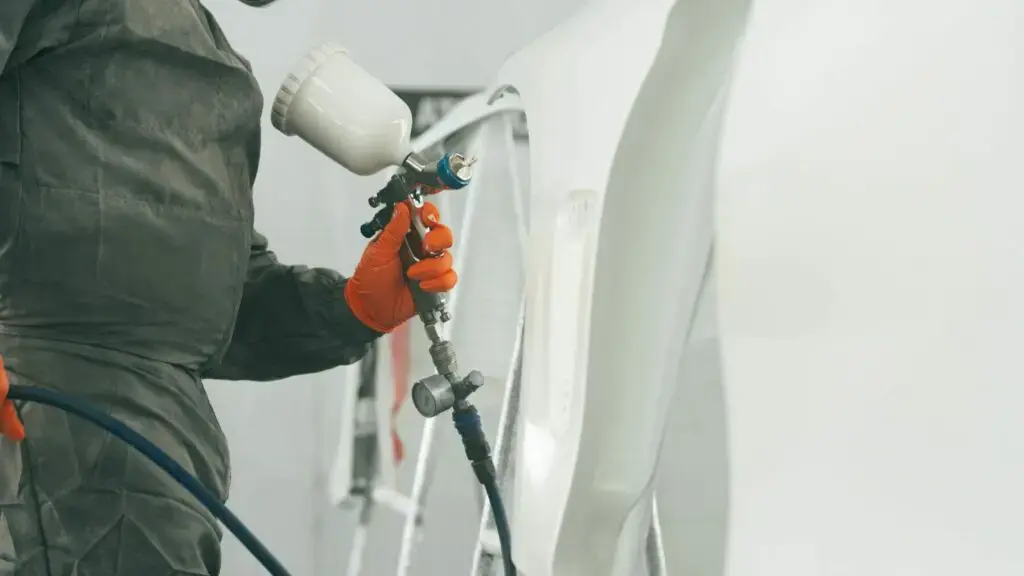
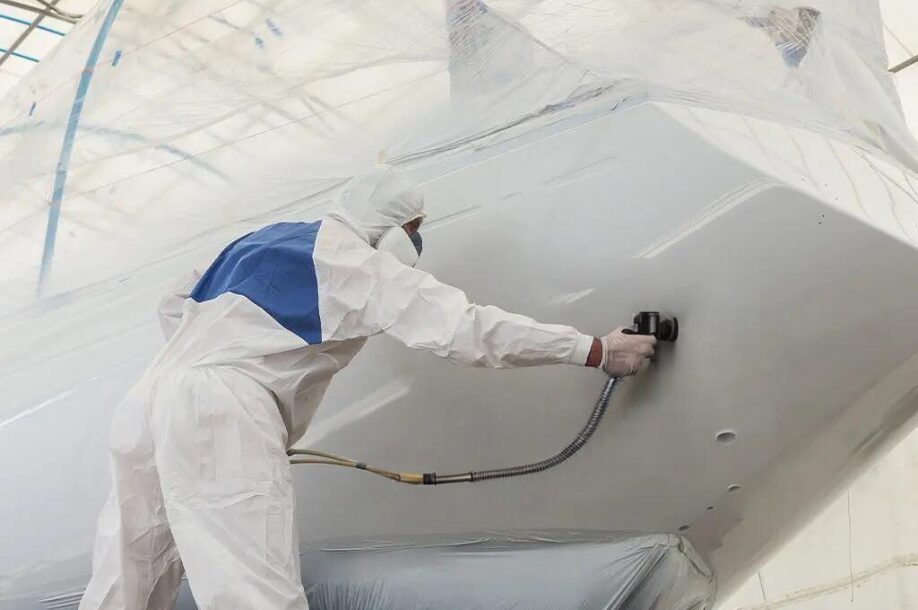
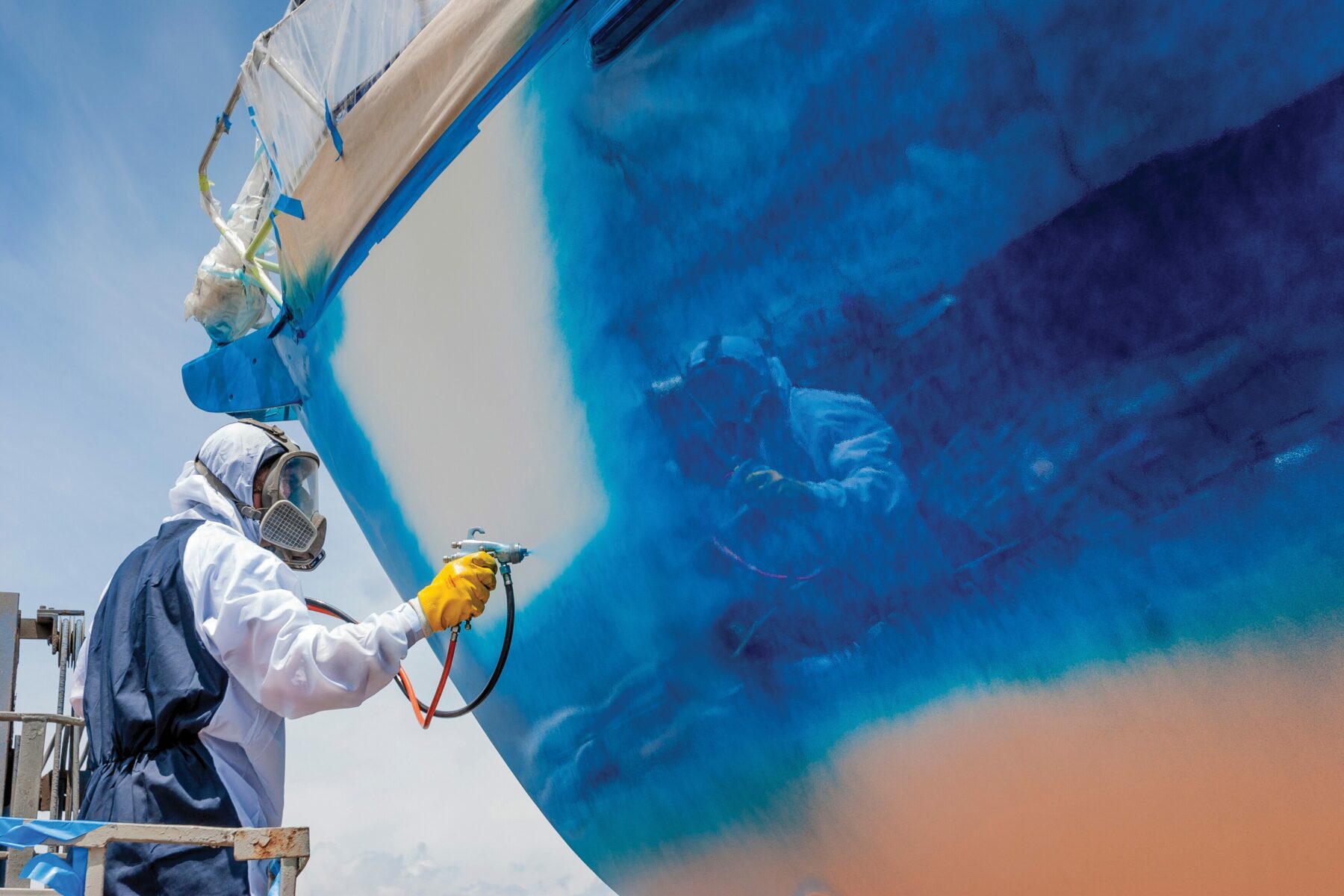
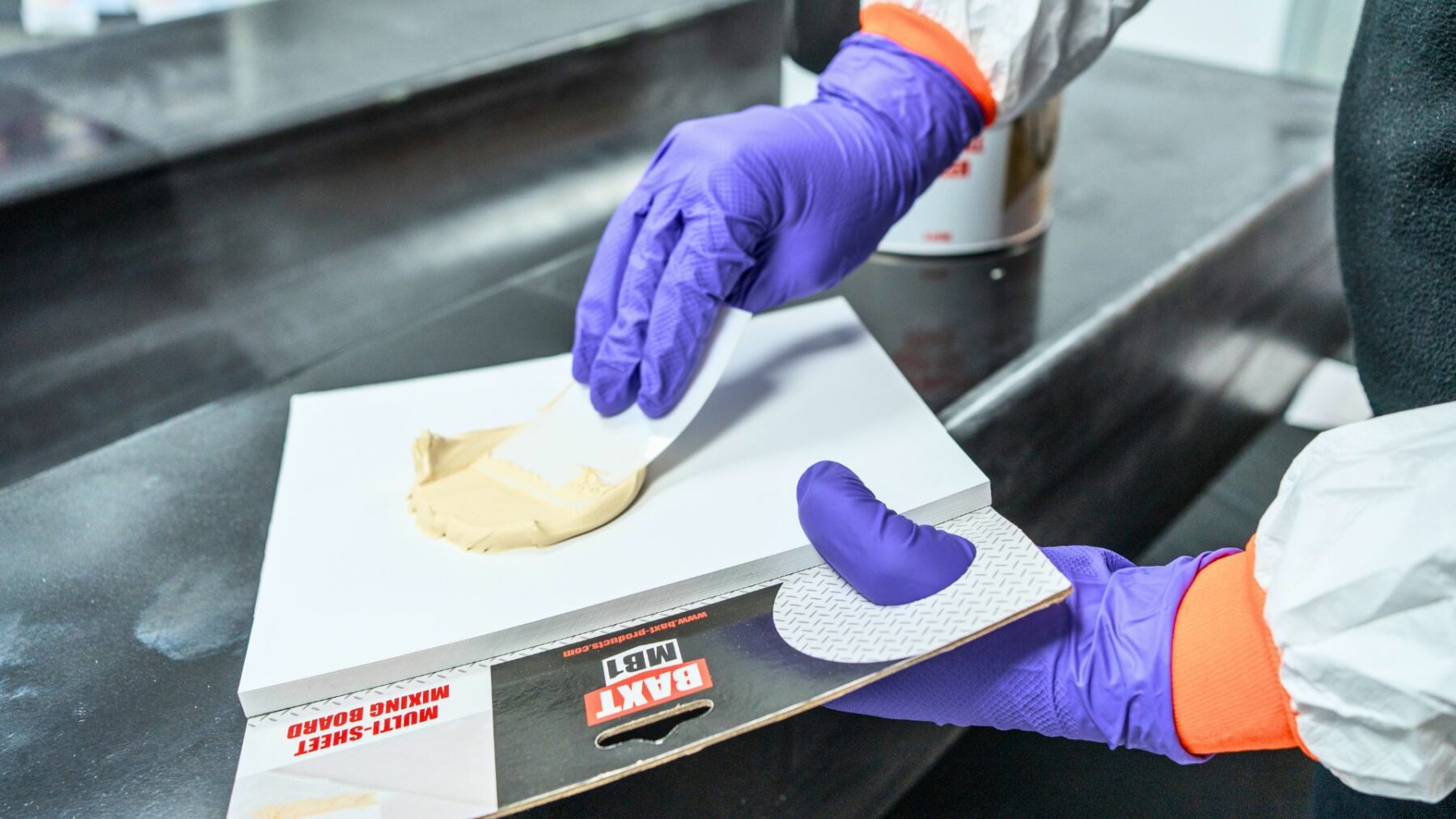
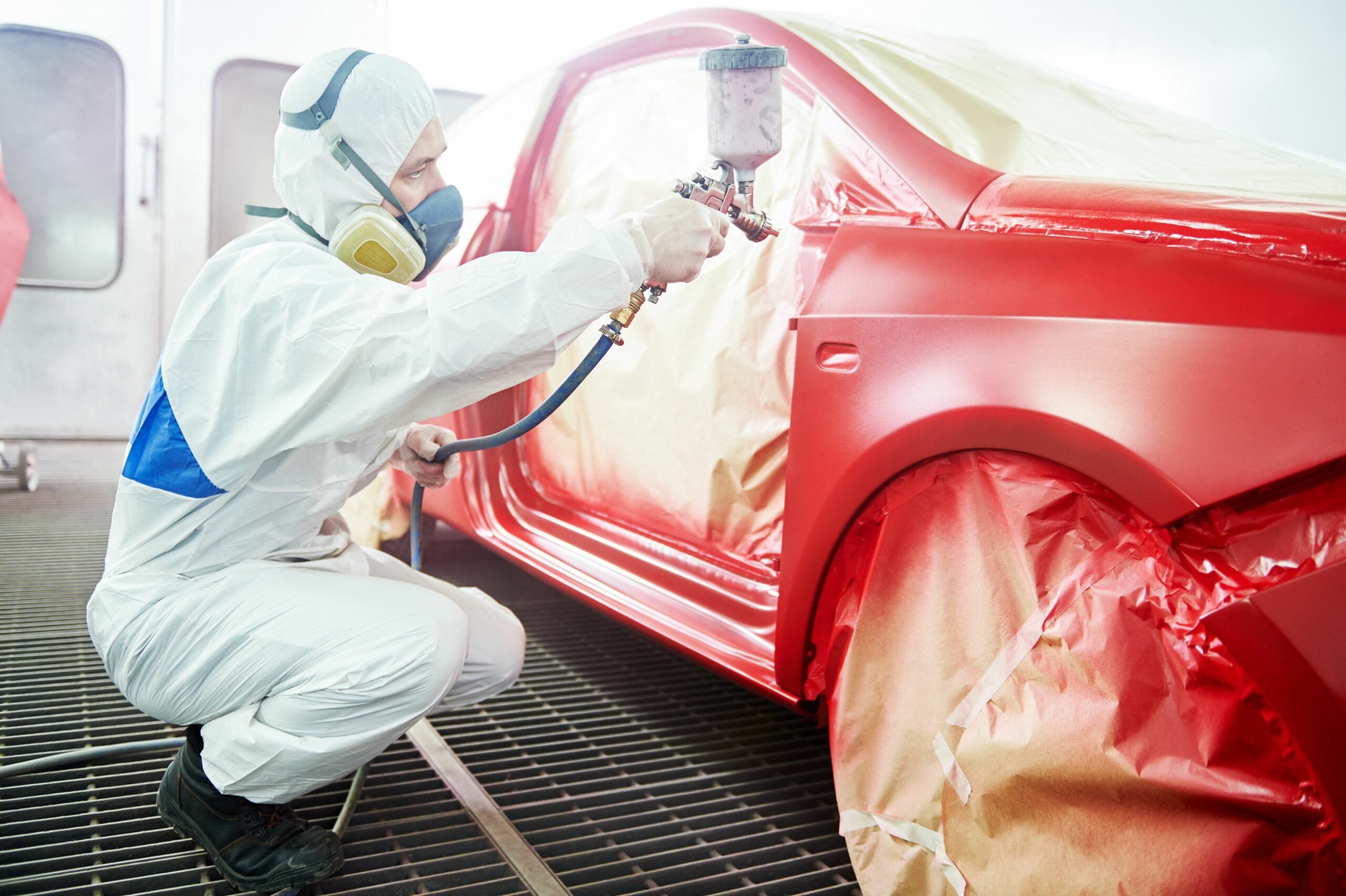
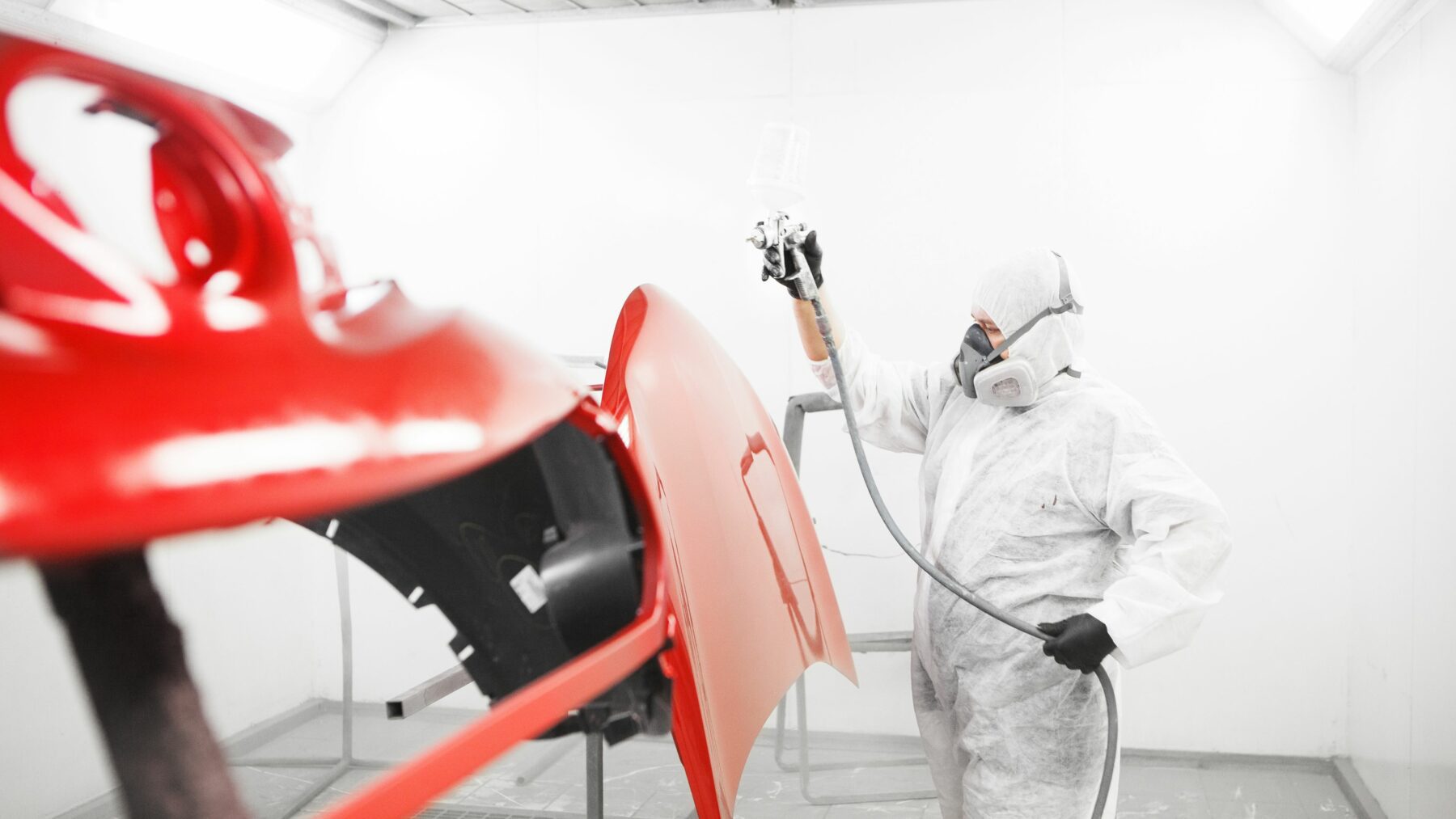
This is where operator training and process documentation matter as much as product specification. A technically excellent coating system, incorrectly applied by operators who do not fully understand why the application parameters exist, will not perform as specified. The knowledge needs to reach the person holding the spray gun.
Maintenance as part of the system
A twenty-five-year coating system is not a set-and-forget proposition. Even the best protective coatings suffer mechanical damage in service through impact, abrasion, or routine maintenance activities, and how that damage is managed determines whether the system reaches its intended life or falls well short of it.
Inspection programmes matter. Early identification of coating breakdown at edges, welds, or areas of mechanical damage allows repair before corrosion has progressed to the substrate. Spot repair at this stage is simple and inexpensive. Remediation after the substrate has corroded is neither.
This requires owners and operators to think about coating not as a one-time capital expense but as an ongoing asset management discipline. The initial specification, the application quality, the inspection programme, and the repair regime are all components of a single system. Optimising one while neglecting the others will not deliver a twenty-five-year result.
“Applying coatings outside the specified window is not a minor deviation. It is a genuine risk to the entire system’s performance across its intended life.”
The practical takeaway
The shift towards longer coating service lives is relevant to marine fabricators, yacht builders, composite manufacturers, and aerospace maintenance operations of all sizes, not just large offshore operators.
The questions worth asking are straightforward.
Is the coating system specified for the actual exposure environment, or for a theoretical average?
Is surface preparation receiving the attention it deserves?
Are application conditions monitored and documented, or assumed?
Is there a meaningful inspection and maintenance plan in place?
The answers to those questions, more than any individual product choice, will determine whether a long-life coating system actually delivers what it promises.